
Product Description
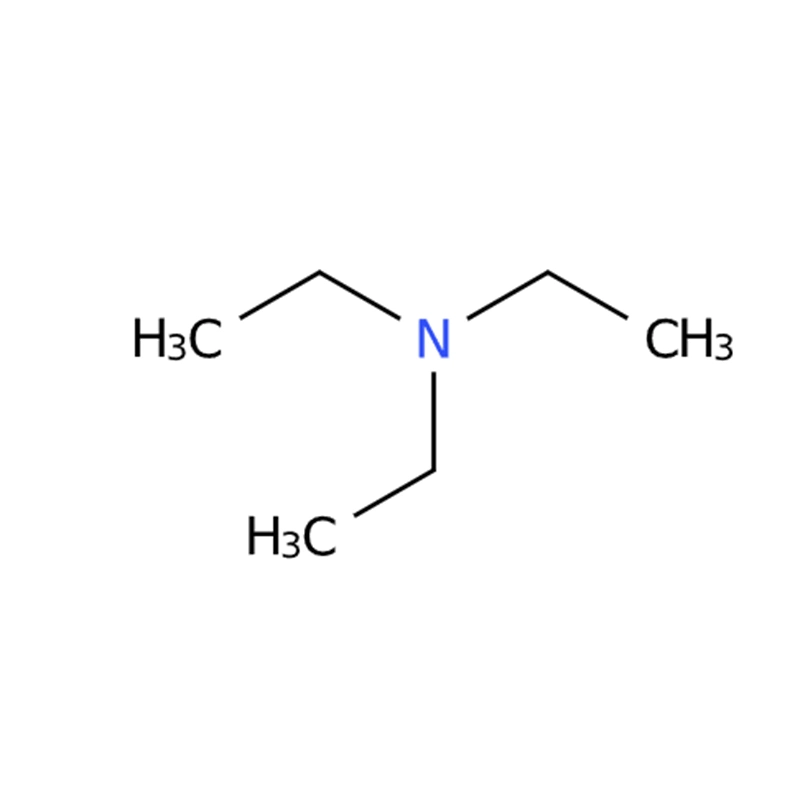
Triethylamine (C₆H₁₅N), also known as N,N-diethylethylamine, is a typical tertiary amine with characteristic chemical properties, including salt formation and oxidation reactions. It does not undergo the Hinsberg reaction due to the absence of an N–H bond.
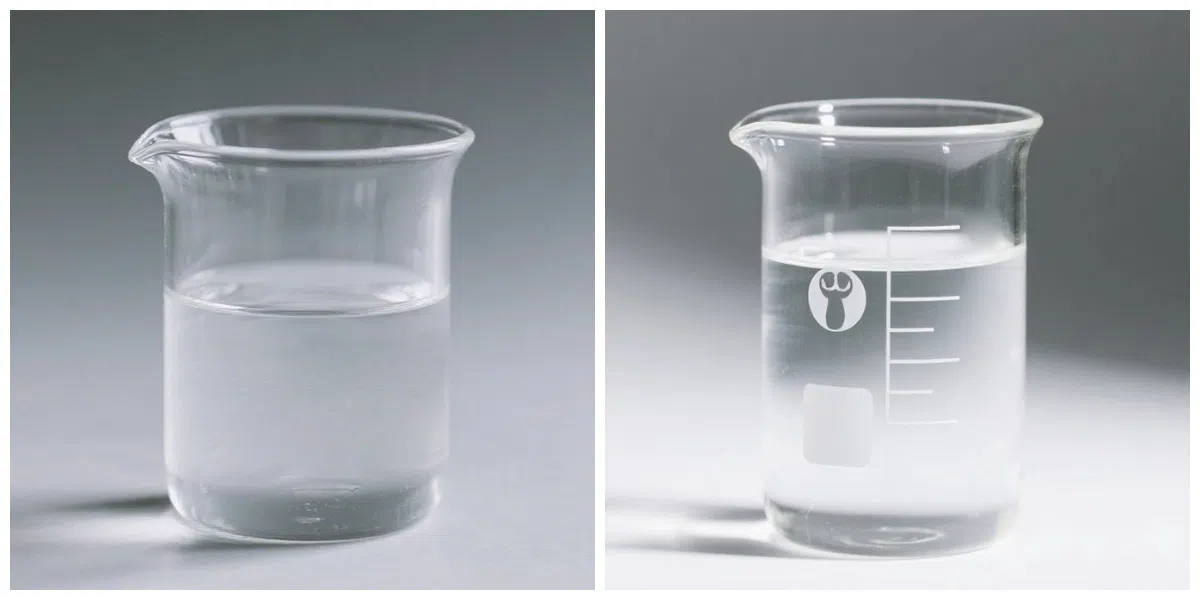
Triethylamine is a colorless to pale yellow liquid with a strong ammonia-like odor. It has a boiling point of 89.5°C, a relative density of 0.70, and a vapor density of 3.48. It is slightly soluble in water but readily dissolves in ethanol and ether. Its aqueous solution exhibits alkaline properties.
Triethylamine is highly flammable, and its vapors can form explosive mixtures with air at concentrations ranging from 1.2% to 8.0%. It is also toxic and may cause severe irritation upon exposure. Therefore, proper ventilation, protective equipment, and appropriate storage conditions are necessary during handling.
Chemical Properties
| Melting point | -115 °C |
| Boiling point | 90 °C |
| density | 0.728 |
| vapor density | 3.5 (vs air) |
| vapor pressure | 51.75 mm Hg ( 20 °C) |
| refractive index | n20/D 1.401(lit.) |
| FEMA | 4246 | TRIETHYLAMINE |
| Fp | 20 °F |
| storage temp. | Store below +30°C. |
| solubility | water: soluble112g/L at 20°C |
| pka | 10.75(at 25℃) |
| form | Liquid |
| Specific Gravity | 0.725 (20/4℃) |
| color | Clear |
| PH | 12.7 (100g/l, H2O, 15℃)(IUCLID) |
| Relative polarity | 1.8 |
| Odor | Strong ammonia-like odor |
| Odor Type | fishy |
| Odor Threshold | 0.0054ppm |
| explosive limit | 1.2-9.3%(V) |
| Water Solubility | 133 g/L (20 ºC) |
| Merck | 149666 |
| JECFA Number | 1611 |
| BRN | 1843166 |
| Henry's Law Constant | 1.79 at 25 °C (Christie and Crisp, 1967) |
| Exposure limits | NIOSH REL: IDLH 200 ppm; OSHA PEL: TWA 25 ppm (100 mg/m3); ACGIH TLV: TWA 1 ppm, STEL 3 ppm (adopted). |
| Dielectric constant | 5.0(Ambient) |
| Stability: | Stable. Extremely flammable. Readily forms explosive mixtures with air. Note low flash point. Incompatible with strong oxidizing agents, strong acids, ketones, aldehydes, halogenated hydrocarbons. |
| InChIKey | ZMANZCXQSJIPKH-UHFFFAOYSA-N |
| LogP | 1.65 |
| CAS DataBase Reference | 121-44-8(CAS DataBase Reference) |
| NIST Chemistry Reference | Triethylamine(121-44-8) |
| EPA Substance Registry System | Triethylamine (121-44-8) |
Safety Information
| Hazard Codes | F,C |
| Risk Statements | 11-20/21/22-35 |
| Safety Statements | 3-16-26-29-36/37/39-45-61 |
| RIDADR | UN 1296 3/PG 2 |
| WGK Germany | 1 |
| RTECS | YE0175000 |
| F | 34 |
| Autoignition Temperature | 593 °F |
| Hazard Note | Highly Flammable/Corrosive |
| TSCA | Yes |
| HazardClass | 3 |
| PackingGroup | II |
| HS Code | 29211910 |
| Hazardous Substances Data | 121-44-8(Hazardous Substances Data) |
| Toxicity | LD50 orally in rats: 0.46 g/kg (Smyth) |
| IDLA | 200 ppm |
Product Usage
Triethylamine is widely used as a solvent, organic synthesis reagent, and chemical intermediate. It plays an important role in the production of pharmaceuticals, pesticides, dyes, fragrances, surfactants, preservatives, bactericides, and ion-exchange resins. It is also used in the manufacture of rubber vulcanization accelerators, corrosion inhibitors, waterproofing agents, catalysts, and high-energy fuels.
In the pharmaceutical industry, triethylamine is involved in the synthesis of various antibiotics, vitamins, and other medicinal compounds, including ampicillin, amoxicillin, cefazolin, and vitamin B6. Additionally, it is used to prepare quaternary ammonium compounds and other specialty chemicals.
Triethylamine also has applications in analytical chemistry, particularly in reversed-phase high-performance liquid chromatography (RP-HPLC), where it serves as a mobile-phase additive. It can reduce peak tailing and improve the separation of acidic, basic, and neutral compounds, especially amino acids and their derivatives.