
Product Overview
1-Octadecanethiol, commonly known as Octadecanethiol or Stearyl Mercaptan, is a long-chain alkanethiol containing 18 carbon atoms and a terminal sulfhydryl (-SH) functional group. Its molecular formula is C₁₈H₃₈S, and its molecular weight is 286.56 g/mol.
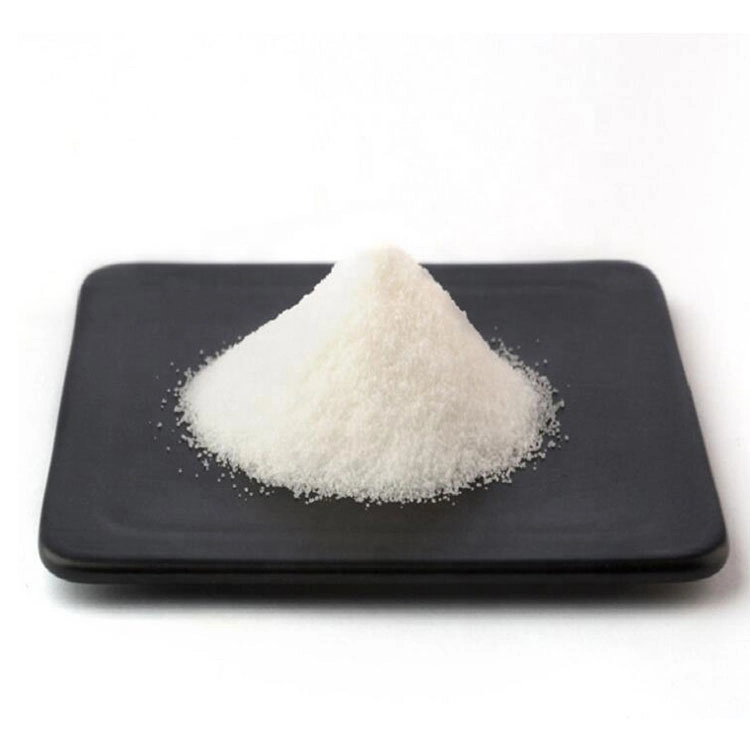
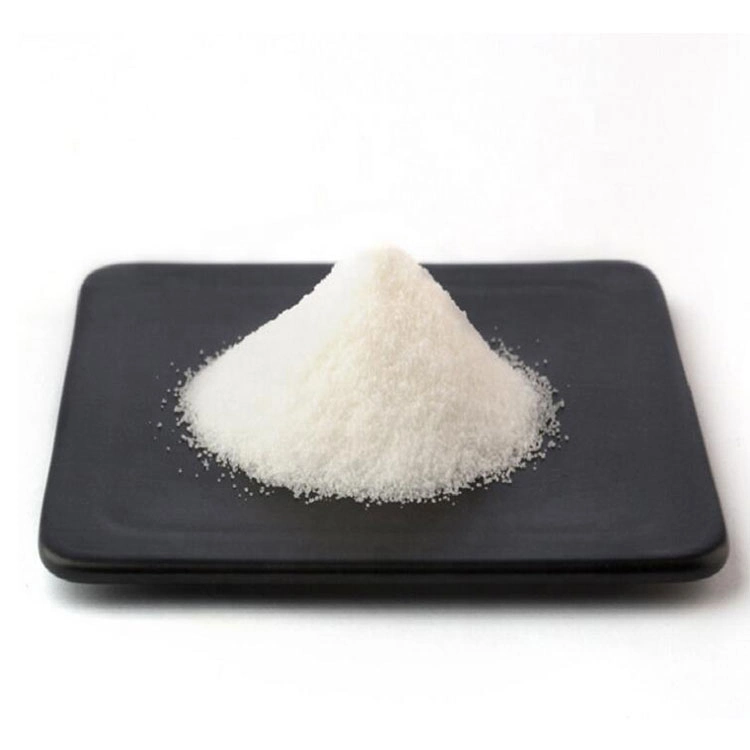
This compound is generally supplied as a white to pale-yellow crystalline solid with a characteristic strong and unpleasant sulfur-like odor. It is insoluble in water and has a melting point of approximately 30–35°C. Its long hydrophobic carbon chain and reactive thiol group provide useful surface-modification properties.
One of its major applications is the formation of self-assembled monolayers (SAMs) on gold surfaces. The sulfur-containing functional group has a strong affinity for gold, while the long alkyl chain creates an organized hydrophobic molecular layer. This makes Octadecanethiol useful for modifying surface wettability, controlling surface energy, and preparing functional interfaces.
Safety and Storage
Octadecanethiol should be handled carefully in accordance with the supplier's Safety Data Sheet (SDS). It has a strong, unpleasant odor and may cause skin irritation and serious eye irritation. Certain supplier classifications also identify potential hazards to aquatic organisms.
Wear appropriate chemical-resistant gloves, safety goggles, and protective clothing during handling. Avoid direct contact with skin and eyes, ingestion, and inhalation of dust or vapors. Use adequate ventilation or local exhaust ventilation, particularly when handling larger quantities or heating the material.
Store in a tightly sealed, clearly labeled container in a cool, dry, and well-ventilated area. Protect the product from excessive heat, moisture, and direct sunlight. Keep it away from strong oxidizing agents and other incompatible substances.
Prevent accidental release into drains, waterways, and the environment. Clean handling equipment appropriately after use and follow the disposal procedures specified in the applicable SDS. Always consult the manufacturer's latest safety documentation before industrial processing, storage, or transportation.
Octadecanethiol Chemical Properties
Melting point | 30-33 °C(lit.) |
Boiling point | 204-210 °C11 mm Hg(lit.) |
density | 0.847 g/mL at 25 °C(lit.) |
vapor pressure | <0.5 hPa (20 °C) |
refractive index | n20/D 1.3610 |
Fp | 55 °F |
storage temp. | Store below +30°C. |
form | Crystalline Solid |
pka | 10.49±0.10(Predicted) |
Specific Gravity | 0.832 (30℃)0.847 |
color | White |
Water Solubility | Insoluble |
BRN | 1811934 |
Exposure limits | NIOSH: Ceiling 0.5 ppm(5.9 mg/m3) |
Stability: | Stability Combustible. Stable. Incompatible with strong oxidizing agents, bases, reducing agents, alkali metals. |
InChIKey | QJAOYSPHSNGHNC-UHFFFAOYSA-N |
LogP | 8 at 20℃ |
CAS DataBase Reference | 2885-00-9(CAS DataBase Reference) |
NIST Chemistry Reference | 1-Octadecanethiol(2885-00-9) |
EPA Substance Registry System | 1-Octadecanethiol (2885-00-9) |
Safety Information
Hazard Codes | F,Xi |
Risk Statements | 36/37/38 |
Safety Statements | 7-16-37/39-26-36 |
RIDADR | UN 1170 3/PG 2 |
WGK Germany | 3 |
Autoignition Temperature | >200 °C |
TSCA | Yes |
HS Code | 29309070 |
Toxicity | LD50 orally in Rabbit: > 5000 mg/kg LD50 dermal Rat > 2000 mg/kg |


