
Products Description
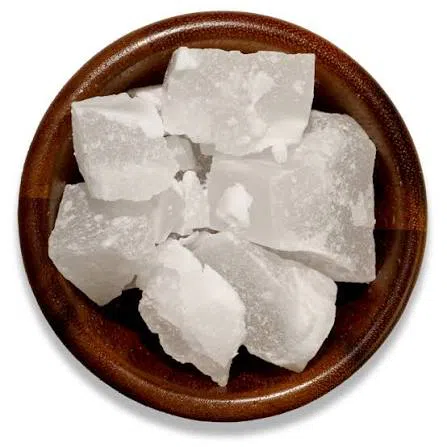
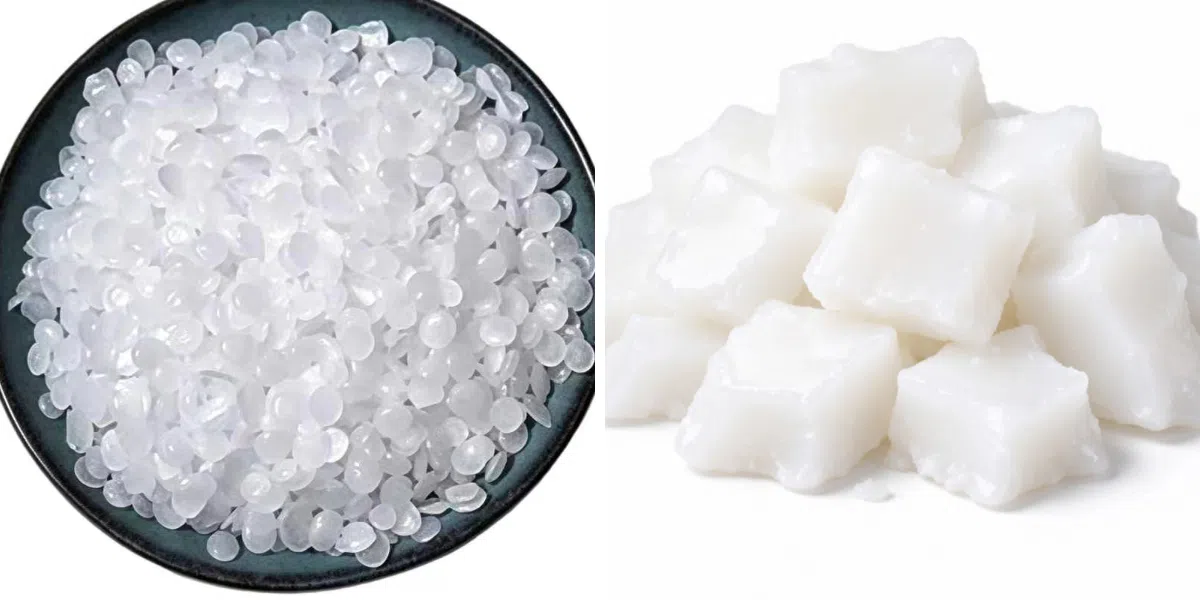
Paraffin Wax (CAS 8002-74-2) is a white to pale-yellow, translucent crystalline solid commonly employed as a lubricant, protective coating, and release agent in various industries, including packaging, candle manufacturing, and rubber and plastic production. It is insoluble in water but readily dissolves in hydrocarbon-based solvents. Due to its versatile properties, paraffin wax is extensively used in candle production, paper coating, food packaging, cosmetics, and hot-melt adhesive formulations.
Chemical Properties
Hazard Codes | Not classified (per GHS/CLP); some legacy SDS list Xi (Irritant) |
Risk Statements | Not applicable (non-classified); some legacy SDS list R36/37/38 |
Safety Statements | S24/25 - Avoid contact with skin and eyes; S36/37 - Wear suitable protective clothing and gloves |
WGK Germany | 0 (varies by source) |
RTECS | RV0350000 |
TSCA | TSCA listed |
HS Code | 2712.20 (mineral/petroleum wax; some sources list 2710.19 or 2713) |
Storage Class | 10 - Combustible liquids (varies by grade/form) |
Hazard Classifications | Not classified as eye/skin irritant; molten wax may cause thermal burns |
Toxicity | LD50 oral rat: >5000 mg/kg |
Product Applications
Preparation Method:
Paraffin wax is mainly produced through petroleum refining, particularly by extracting wax from lubricating oil fractions during the dewaxing process. In this process, wax-containing oil is separated using solvent dewaxing techniques, commonly involving solvents such as methyl ethyl ketone (MEK) and toluene, or other crystallization and separation methods. The resulting crude wax undergoes deoiling to eliminate residual lubricating oil and other impurities. Additional refining treatments, such as hydrofinishing, clay treatment, and filtration, may be performed to enhance its purity, color, odor, and chemical stability. According to the refining process and specific application requirements, paraffin wax is commercially classified into fully refined, semi-refined, and slack wax grades. The finished product is generally a white or translucent crystalline solid composed mainly of saturated straight-chain hydrocarbons, typically within the C20–C40 carbon number range.
Main Application Areas
Candle Manufacturing: Paraffin wax is extensively used in manufacturing household, decorative, tealight, and industrial candles because of its favorable burning characteristics, low odor, and excellent shape retention.
Packaging and Coatings: It serves as a moisture-resistant coating for paper, cardboard, and various packaging materials, offering effective water repellency, surface protection, and enhanced barrier performance.
Rubber and Tire Industry: Paraffin wax is incorporated into rubber formulations and tire manufacturing as a protective additive. It helps reduce ozone-induced cracking and shields rubber surfaces from environmental degradation.
Cosmetics and Personal Care: It is widely utilized in creams, lotions, lip balms, ointments, and other personal care products, where it functions as an emollient, thickening agent, and protective barrier, subject to applicable purity and regulatory requirements.
Food and Pharmaceutical Applications: Fully refined paraffin wax of appropriate food or pharmaceutical grade is used in approved applications, such as food coatings, glazing agents, and selected pharmaceutical formulations, in compliance with relevant regulatory standards.
Industrial Applications: Owing to its chemical stability, water-repellent characteristics, and electrical insulating properties, paraffin wax is also employed in polishes, adhesives, electrical insulation materials, textile finishing, match production, and various specialty wax formulations.
Safety Information
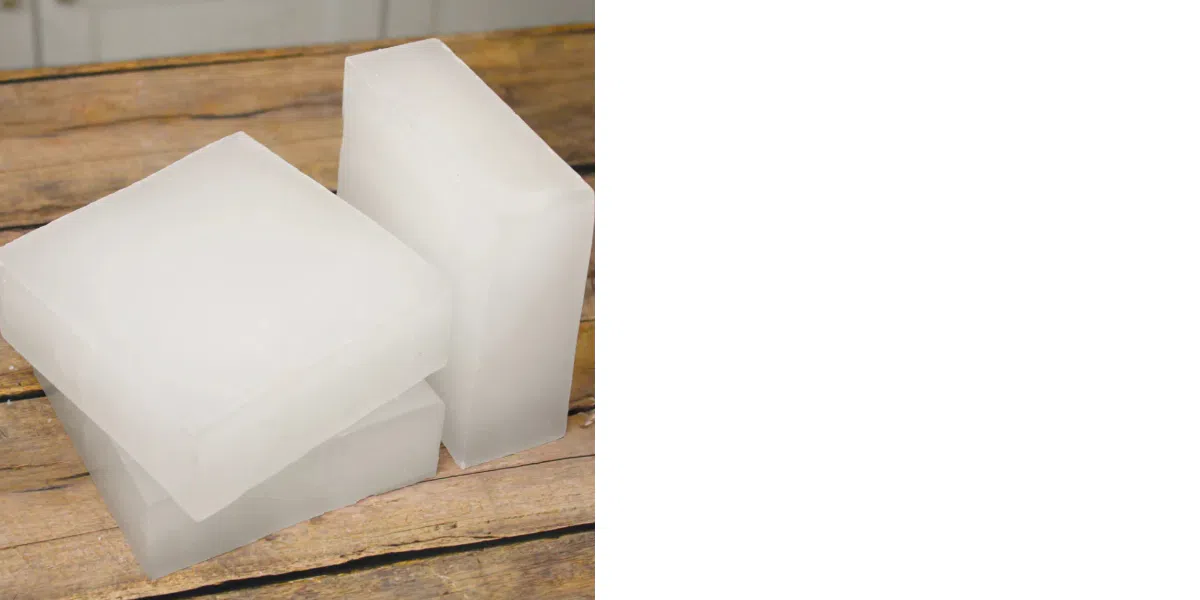
Paraffin wax is generally regarded as a low-toxicity substance when handled under normal conditions of use. Nevertheless, appropriate precautions should be taken during storage, handling, and processing. Contact with molten wax can cause severe thermal burns to the skin and eyes, while inhalation of fumes or aerosols produced during heating may lead to respiratory tract irritation. Therefore, prolonged exposure to heated wax vapors should be avoided. Paraffin wax is combustible and may pose a fire risk when exposed to excessive heat, open flames, or other ignition sources. Under certain conditions, finely dispersed wax dust may also form combustible dust clouds. Adequate ventilation should be maintained during melting and processing operations. Suitable personal protective equipment, such as heat-resistant gloves, safety goggles, and protective clothing, should be worn when handling molten wax. For safe storage, keep the material in a cool, dry, and well-ventilated area, away from excessive heat, ignition sources, and strong oxidizing agents. Containers should remain tightly sealed to prevent contamination. All handling, storage, and transportation procedures should comply with the product-specific Safety Data Sheet (SDS) and applicable occupational safety and regulatory requirements.
Upstream and Downstream Product Information
Upstream: The primary raw materials and feedstocks for paraffin wax production include petroleum-derived lubricating oil fractions, crude oil distillates, and wax-containing refinery streams. Various processing agents, such as methyl ethyl ketone (MEK), toluene, and other suitable organic solvents, are used in dewaxing and deoiling operations. Hydrogen and specialized catalysts may also be required for further refining and hydrofinishing treatments.
Downstream: Paraffin wax serves as an important raw material for a broad range of downstream products, including candle wax, wax emulsions, paraffin-based coatings, and waterproof packaging materials. It is also widely used in the manufacture of rubber and tire additives, polishes, adhesives, cosmetic and pharmaceutical formulations, as well as various specialty and industrial wax products.


