Excellent Organic Solvent Compatibility: TDI is miscible with most common organic solvents, offering good flexibility for industrial processing and formulation.
Commercially Optimized Isomer Composition: Available as a mixture of 2,4-TDI and 2,6-TDI isomers in different ratios, with the commonly used 80/20 ratio providing versatile formulation options.
Important Polyurethane Raw Material: As a key aromatic diisocyanate, TDI is widely used as an essential raw material in polyurethane production.
Broad Industrial Acceptance: TDI has long been extensively used in the global isocyanate industry, demonstrating its importance and wide applicability in industrial manufacturing.
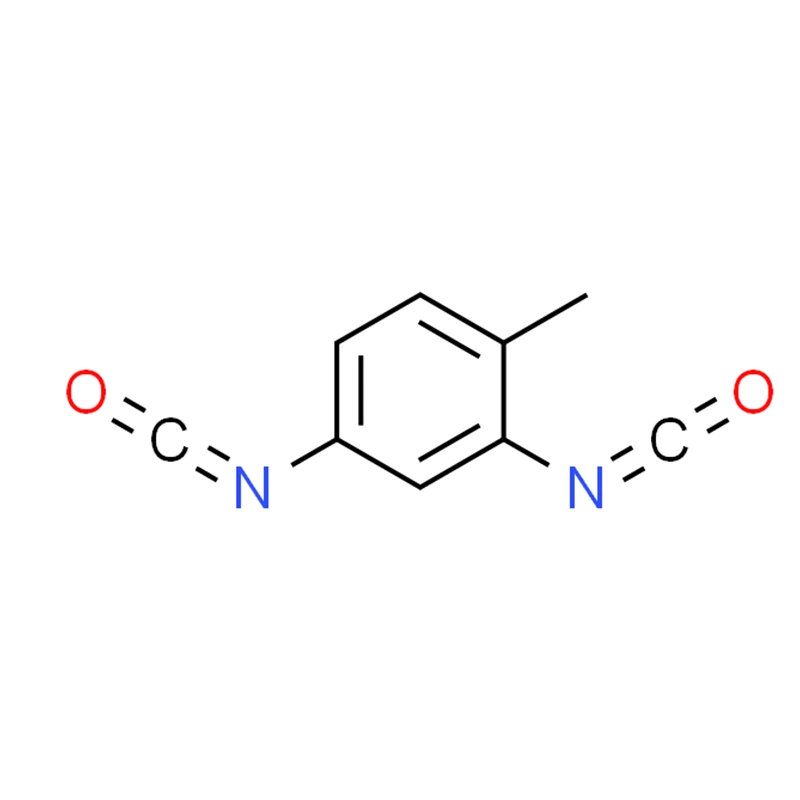
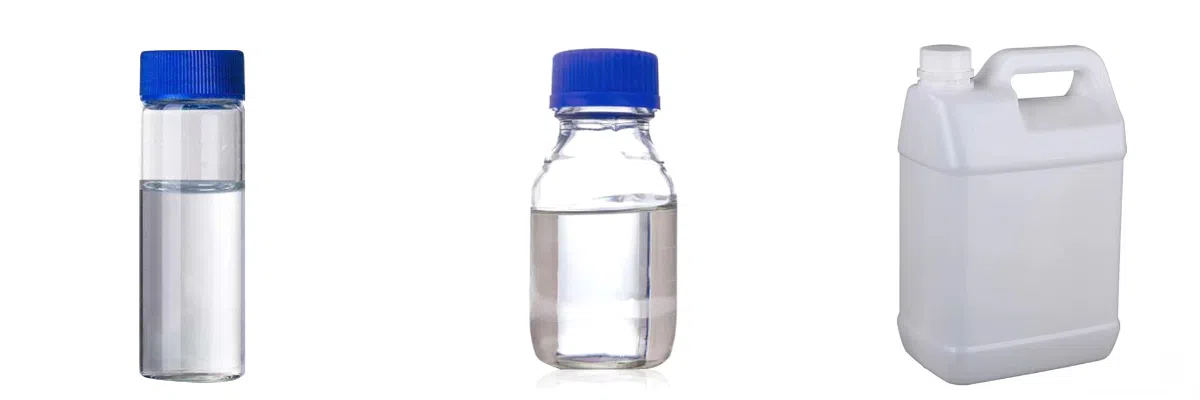
Toluene diisocyanate (TDI) is an aromatic diisocyanate that appears as a clear to pale yellow liquid with a sharp, pungent odor. It is insoluble in water but miscible with most commonly used organic solvents.
TDI (CAS No. 26471-62-5) is composed of two isomers: toluene-2,4-diisocyanate (2,4-TDI, CAS No. 584-84-9) and toluene-2,6-diisocyanate (2,6-TDI, CAS No. 91-08-7). Commercial TDI is available in different isomer ratios, with the most common composition being 80% 2,4-TDI and 20% 2,6-TDI. TDI is widely used in the chemical industry and has historically represented a significant share of the global isocyanate market.
Product Application of Toluene Diisocyanate CAS#26471-62-5
The isocyanate functional groups in TDI react with hydroxyl groups to form urethane linkages, making it an important raw material for the production of flexible polyurethane foams used in furniture, bedding, automotive seating, and commercial transportation seating.
Other applications include polyurethane elastomers for automotive bumper covers, industrial rollers, sporting footwear, and various mechanical products. TDI is also used in the production of coatings, including metal coatings, wood coatings, and high-performance anticorrosive coatings.
TDI-based rigid polyurethane foam is used in household refrigerators and residential construction applications such as sheathing and commercial roofing. Spray-applied rigid polyurethane foam based on TDI can also serve as insulation for truck trailers, railroad freight cars, and overseas cargo containers. In addition, moisture-curing TDI coatings are used as sealants and floor finishes for wood and concrete surfaces.
Key Physical & Chemical Properties
Property
Specification
Chemical Formula
C₉H₆N₂O₂
Appearance
Clear to pale-yellow liquid
Isomeric Composition
Mixture of 2,4- and 2,6-isomers
Reactivity
Highly reactive with polyols, amines, and water
Storage
Moisture-sensitive; store under dry nitrogen
Typical Purity
≥ 99%
Transport & Logistics
Toluene diisocyanate is classified as a hazardous material under UN 2078, with a proper shipping name of "Toluene diisocyanate," hazard class 6.1 (toxic substance), and packing group II. It is primarily toxic by inhalation and skin contact and acts as a respiratory sensitizer, with an additional subsidiary risk of aquatic environmental toxicity in certain specifications. All movements are therefore subject to the international dangerous-goods regimes, including the IMDG Code for sea transport, the IATA Dangerous Goods Regulations for air freight, and the ADR/RID rules for road and rail transport within Europe.
Sea freight via ocean containers is the most common and recommended mode, requiring a dangerous-goods declaration form, a certified performance-oriented packaging standard (危包证), and proper UN-marked packaging. For road transport within the EU, carriers must use certified vehicles fitted with UN placards. Air freight is strongly discouraged, as it is subject to very strict IATA restrictions or outright prohibition on most routes, making it costly and often unavailable.
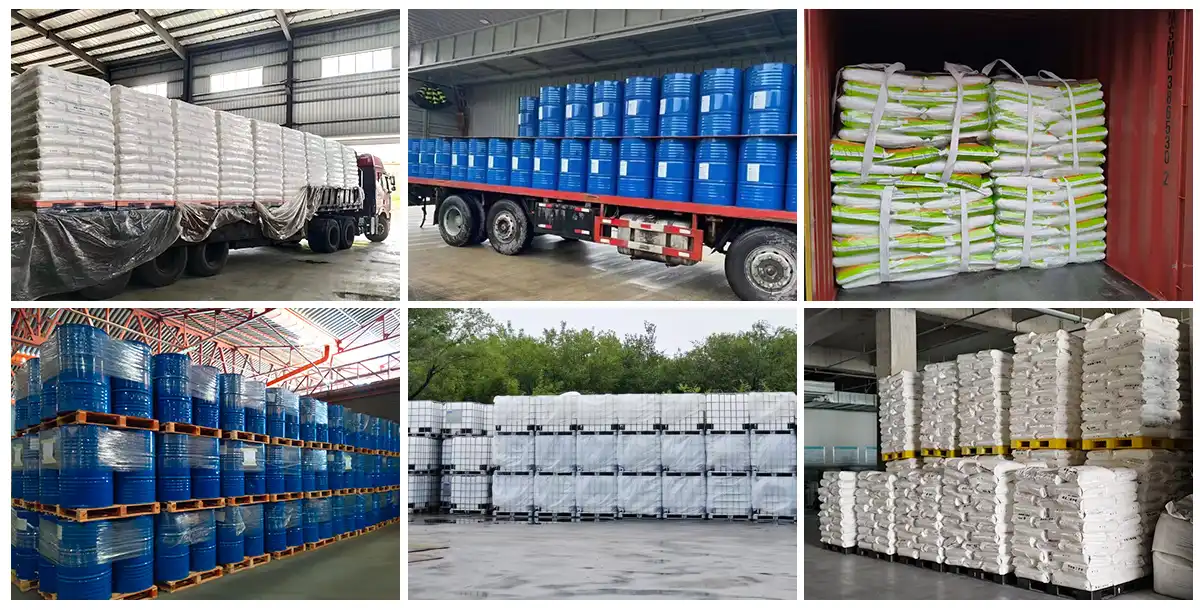
Packaging must consist of UN-certified dangerous-goods containers, typically 200 kg steel drums or 1,000 L IBC totes, marked with UN numbers, hazard labels (Class 6), and toxicity warnings. Each container should be filled under a dry nitrogen blanket to prevent moisture absorption and polymerization, with tightly sealed, leak-proof lids to avoid any leakage during transit.
The complete shipping documentation includes the Safety Data Sheet (with transport information in Section 14), a Dangerous Goods Declaration, packaging performance certification (危包证), a Certificate of Analysis confirming purity and moisture content, the packing list, the bill of lading, and any destination-country customs documents.
During loading, transport, and unloading, the product must be kept dry, protected from high temperatures and direct sunlight, and held at ambient temperatures of roughly 15–30 °C to prevent polymerization and deterioration. Personnel should wear chemical-resistant gloves, safety goggles, and organic-vapor respiratory protection. In the event of a spill, use sand or inert absorbent materials to cover the leak, and never rinse with water, since contact with water generates carbon dioxide and polyureas while releasing heat.
Finally, destination-country clearance must account for strict regulations on isocyanates, including EU REACH and US TSCA, some of which require import permits or pre-import notification. It is advisable to confirm the importing country's regulatory status with the buyer in advance and to prepare the SDS, certificate of origin, and any free-sale certificate if required. Several markets, particularly the EU, enforce binding occupational exposure limits and concentration limits, so the intended use should be stated accurately on the customs declaration.
Product Details Toluene 2,6-diisocyanate (CAS No. 91-08-7) is an aromatic organic compound belonging to the isocyanate class. It has the molecular formula C₉H₆N₂O₂ and a molecular weight of 174.16. At room temperature, it appears as a colorless to pale yellow transparent liquid, with a density of 1.
Product Description Formaldehyde is the simplest aldehyde compound, featuring high chemical reactivity and certain toxicity. At room temperature, it exists as a colorless gas with a strong, irritating odor and can readily polymerize to form polyformaldehyde. Formaldehyde is highly soluble in water,
Product Details Sodium dodecyl sulfate (SDS), classified as an anionic surfactant, serves as a characteristic example of sulfate-based surfactants. Also commercially designated as AS, K12, sodium coco-sulfate, or sodium lauryl sulfate, it is widely utilized as a foaming agent. Market formulations ty