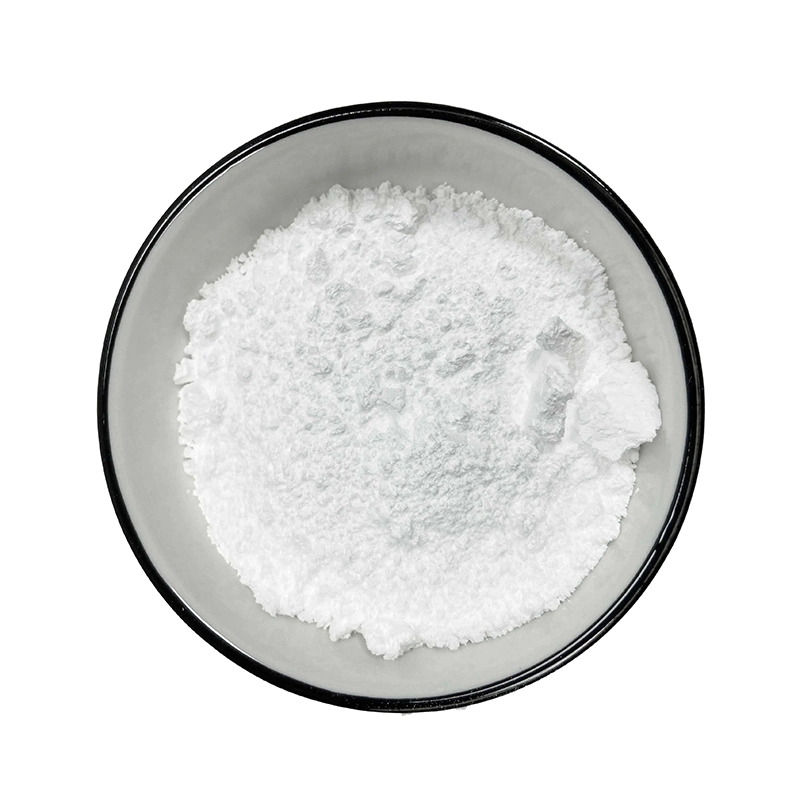
L-Carnosine is a naturally occurring dipeptide consisting of β-alanine and L-histidine, distributed across various tissues including human skeletal muscle as well as the brain, kidney, spleen, and rat olfactory bulb. It displays diverse biofunctional properties and serves as an effective chelating agent, forming stable complexes with metal ions such as copper, cobalt, nickel, cadmium, and zinc.
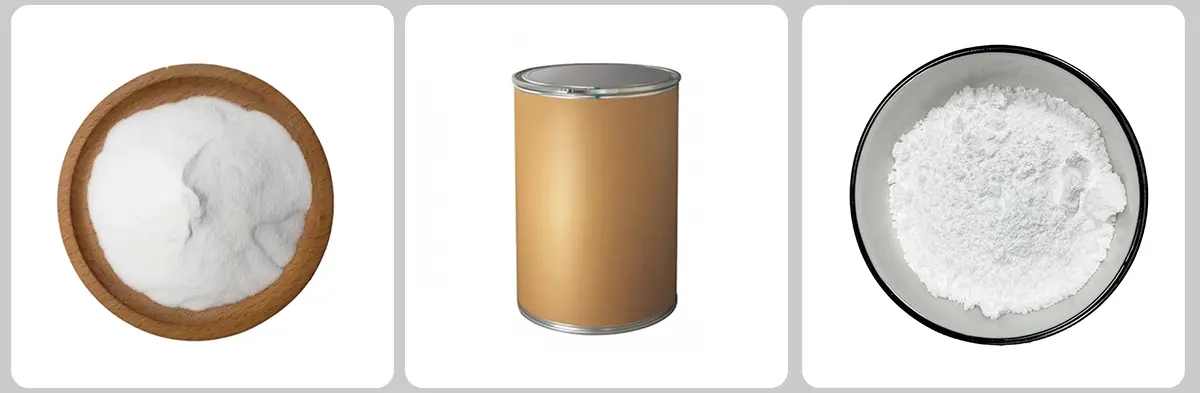
Safety Information
| Melting point | 253 °C (dec.) (lit.) |
| alpha | 20.9 º (c=1.5, H2O) |
| Boiling point | 367.84°C (rough estimate) |
| density | 1.2673 (rough estimate) |
| vapor pressure | 0Pa at 25℃ |
| refractive index | 21 ° (C=2, H2O) |
| storage temp. | -20°C |
| solubility | DMSO (Very Slightly), Water (Slightly) |
| pka | 2.62(at 25℃) |
| form | crystalline |
| color | White |
| Odor | at 100.00?%. odorless |
| Optical Rotation | +24.120 |
| Water Solubility | almost transparency |
| Merck | 14,1850 |
| BRN | 87671 |
| Stability: | Stable, but may be heat sensitive - store cold. Incompatible with strong oxidizing agents. |
| InChIKey | CQOVPNPJLQNMDC-ZETCQYMHSA-N |
| LogP | -3.8 at 22℃ |
| CAS DataBase Reference | 305-84-0(CAS DataBase Reference) |
| EPA Substance Registry System | L-Histidine, .beta.-alanyl- (305-84-0) |
Safety Information
| Hazard Codes | Xn |
| Risk Statements | 20/21/22-36/37/38 |
| Safety Statements | 24/25-36-26 |
| WGK Germany | 2 |
| RTECS | MS3080000 |
| F | 3-10 |
| TSCA | Yes |
| HS Code | 29332900 |
| Toxicity | LD50 oral in mouse: > 14930mg/kg |

L-Carnosine (CAS No. 305-84-0) serves a wide range of applications: in pharmaceuticals for investigating neuroprotective and cardiovascular effects, in dietary supplements as a potent anti-aging and antioxidant compound, in the food sector as a functional additive, in cosmetics for mitigating signs of skin aging, and in academic research for targeted experimental studies.