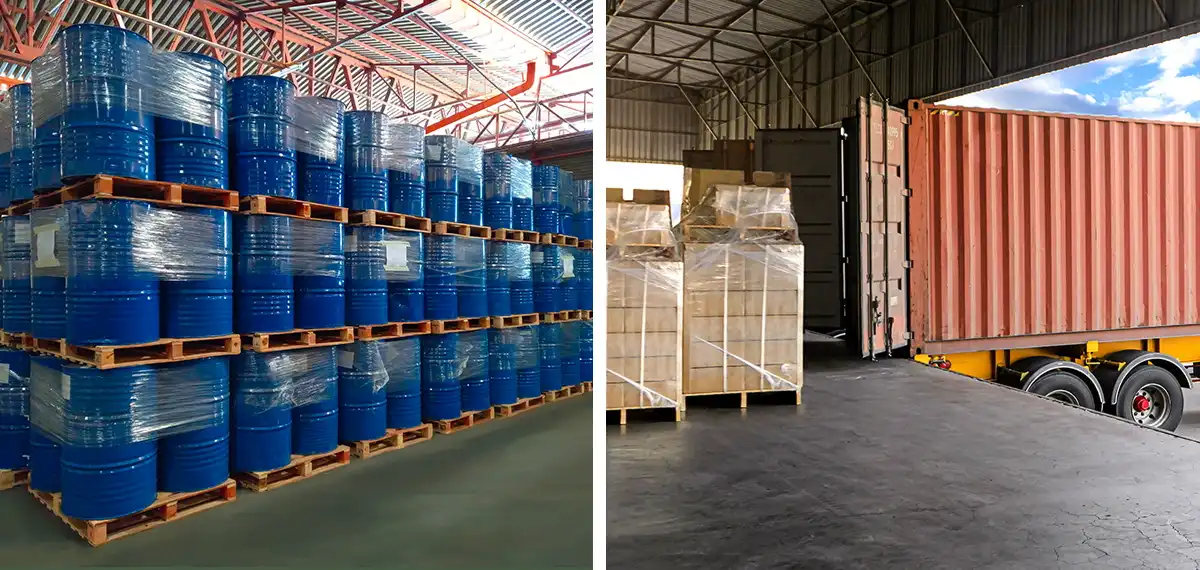
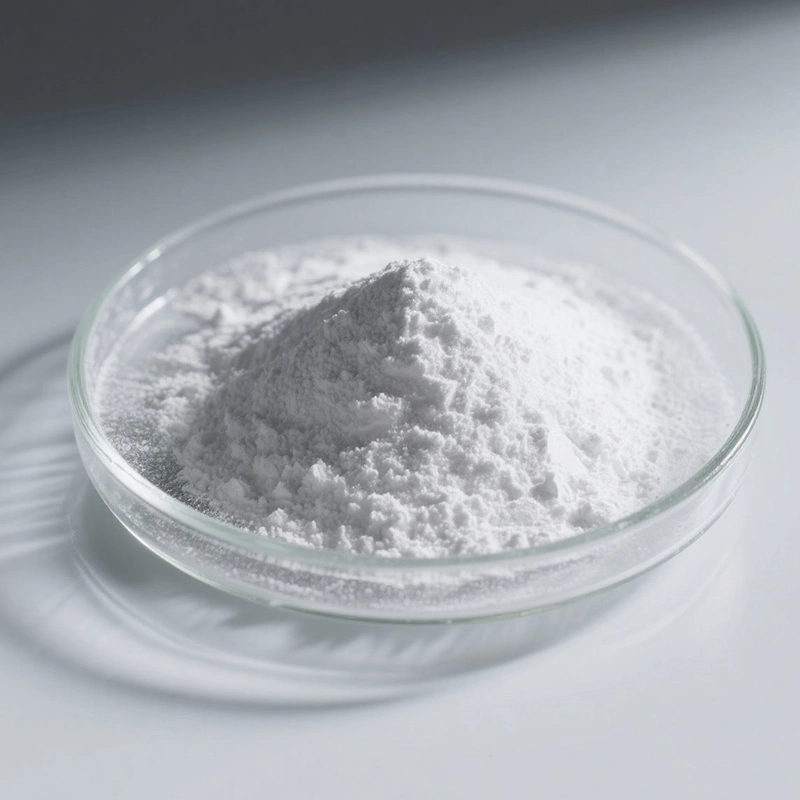
Pimaricin (commonly designated as natamycin) is a natural antifungal compound produced via the fermentation of Streptomyces natalensis. Classified as a macrolide polyene antifungal, it is widely prescribed for managing fungal keratitis, a serious ocular condition. Within clinical therapy, it exhibits broad-spectrum efficacy against diverse pathogens, including species of Candida, Aspergillus, Cephalosporium, Fusarium, and Penicillium. In food processing, pimaricin serves as an established natural preservative to safeguard products against mold and yeast spoilage. Its targeted mechanism of action entails binding directly to ergosterol within the fungal cell membrane, which impairs ergosterol-dependent membrane and vacuolar fusion to arrest fungal proliferation. Furthermore, it disrupts essential nutrient uptake by inhibiting membrane transport proteins responsible for glucose and amino acid absorption.
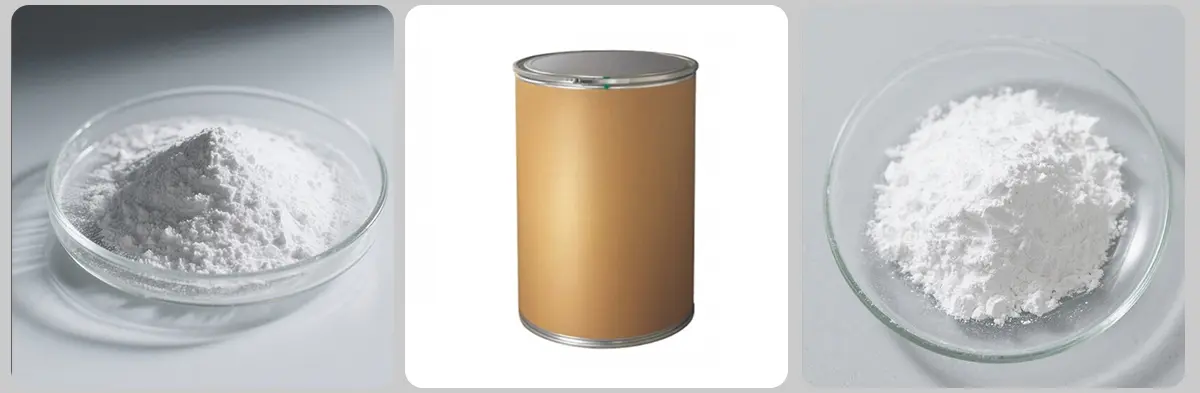
| Product Name: | Natamycin |
| Synonyms: | NataMycin, A 5283, Delvolan, Delvocid, Myprozine, Natacyn, Natafucin, PiMafucin, PiMafugin, A5263, CL 12625, E235;Natamycin(FermentionProcess);(1R*,3S*,5R*,7R*,8E,12R*,14E,16E,18E,20E,22R*,24S*,25R*,26S*)]-22-[(3-Amino-3,6-dideoxy-β-D-mannopyranosyl)oxy]-1,3,26-trihydroxy-12-methyl-10-oxo-6,11,28-trioxatricyclo[22.3.1.05,7]octacosa-8,14,16,18,20-pentaene-25- carboxylic acid;NATAMYCIN;PIMAFUCIN;PIMARICIN;PIMARICIN, STREPTOMYCES CHATTANOOGENSIS;antibiotica-5283 |
| CAS: | 7681-93-8 |
| MF: | C33H47NO13 |
| MW: | 665.73 |
| EINECS: | 231-683-5 |
| Product Categories: | Food additives;Food & Feed ADDITIVES;Antifungal (Topical);Intermediates & Fine Chemicals;Pharmaceuticals;ERGOSTAT;antibiotic;raw materials;Food additive;7681-93-8 |
| Mol File: | 7681-93-8.mol |
Natamycin Chemical Properties
| Melting point | 2000C (dec) |
| Alpha | D20 +278° (c = 1 in CH3COOH) |
| Boiling point | 952℃ |
| Density | 1.0 g/mL at 20 °C(lit.) |
| Bulk density | 200kg/m3 |
| Refractive index | 1.5960 (estimate) |
| Fp | >110°(230°F) |
| Storage temp | Keep in dark place,Inert atmosphere,2-8°C |
| Solubility | Soluble in DMSO |
| Form | Aqueous suspension |
| Pka | PKa 4.6(50% aq. MeOEtOH) (Uncertain);8.35 (Uncertain) |
| Color | Cream colored |
| Water Solubility | 0.41g/L(21 ºC) |
| Sensitive | Light Sensitive |
| Merck | 13,6453 |
| BRN | 1614878 |
| Stability | Light sensitive |
| InChIKey | NCXMLFZGDNKEPB-FFPOYIOWSA-N |
| LogP | 0.880 (est) |
| EPA Substance Registry System | 6,11,28-Trioxatricyclo[22.3.1.05,7]octacosa-8,14,16,18,20-pentaene-25-carboxylic acid, 22-[(3-amino-3,6-dideoxy-.beta.-D-mannopyranosyl)oxy]-1,3,26-trihydroxy-12-methyl-10-oxo-, (1R,3S,5R,7R,8E,12R,14E,16E,18E,20E,22R,24S,25R,26S)- (7681-93-8) |
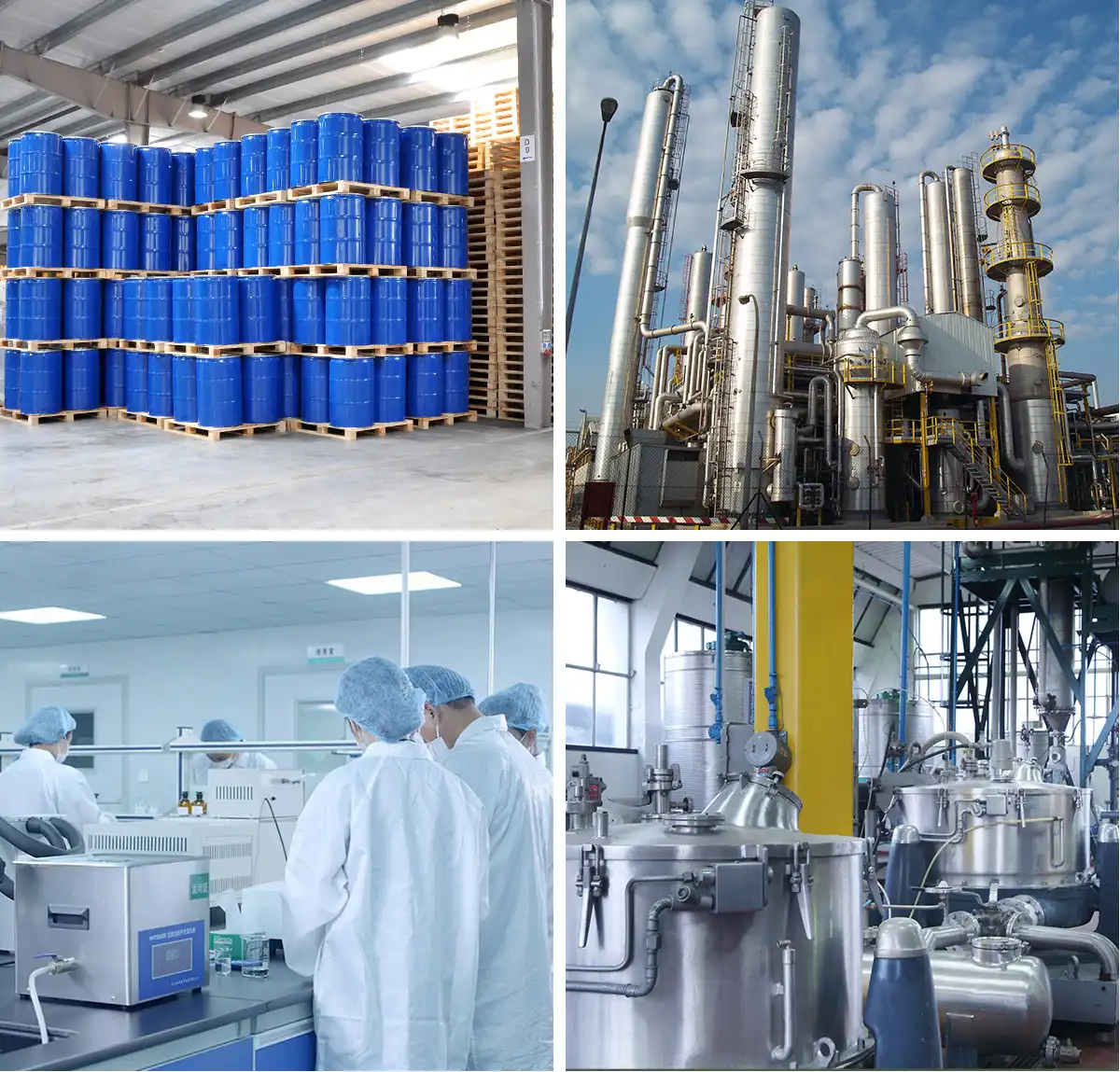
Pimaricin is applied as a protective surface coating on Italian cheeses to prevent the growth of yeast and mold. Being colorless, odorless, and neutral in taste, it remains on the cheese exterior without penetrating the interior. While providing strong protection against virtually all molds and yeasts, it has no impact on beneficial bacteria, thereby allowing natural aging and authentic flavor development to proceed unhindered. It can be applied through dipping, spraying, or mixing directly into cheese coatings, generally at concentrations between 300 and 2,000 ppm.