Product Description of Collagenase CAS No. 9001-12-1
Collagenase, also referred to as collagen-degrading enzyme and clostridial peptidase, is a proteolytic enzyme produced through the fermentation of Clostridium histolyticum.
Medical-grade collagenase is purified from the culture broth of Clostridium histolyticum ATCC 21000. This enzyme exhibits strong activity in cleaving peptide bonds associated with Gly-Pro sequences.
By disrupting the native collagen structure, it creates favorable conditions for other proteases to perform hydrolysis, giving it the distinctive ability to break down both collagen and denatured collagen.
Enzyme preparations derived from this substance can digest natural and denatured collagen, effectively break down necrotic tissue, and support the formation of granulation tissue and epithelial cells.
This product does not act on globulin or fibrin, and it is described as having limited effects on normal blood vessels and muscle tissue. Medical applications may include debridement and eschar removal in certain second- and third-degree burns, chronic skin ulcers, and pressure sores, subject to appropriate clinical evaluation and approved product indications.
Collagenase Chemical Properties
| storage temp. | -20°C |
| solubility | Soluble in aqueous buffers. |
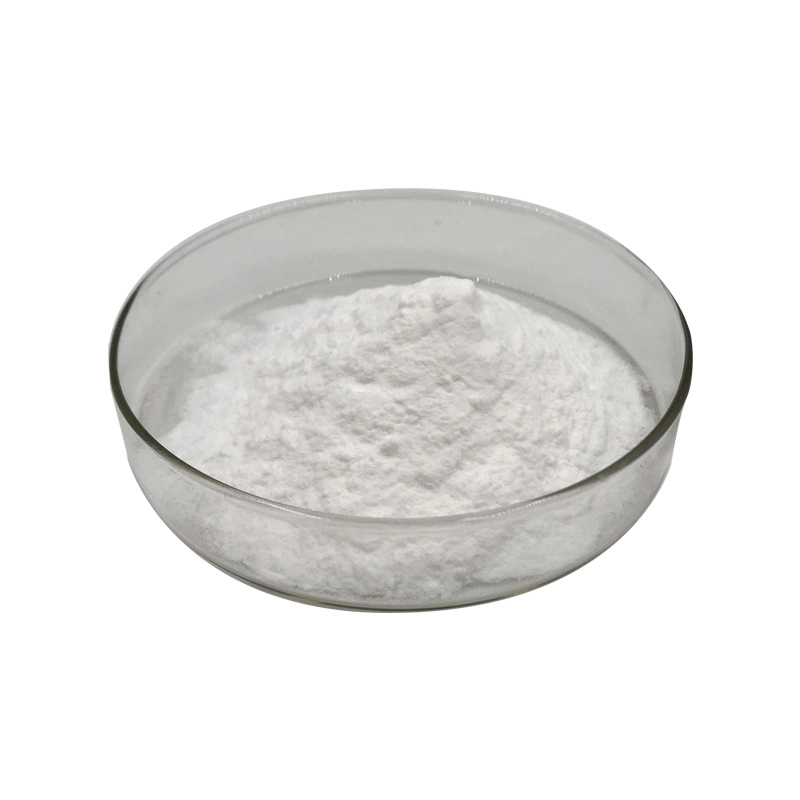
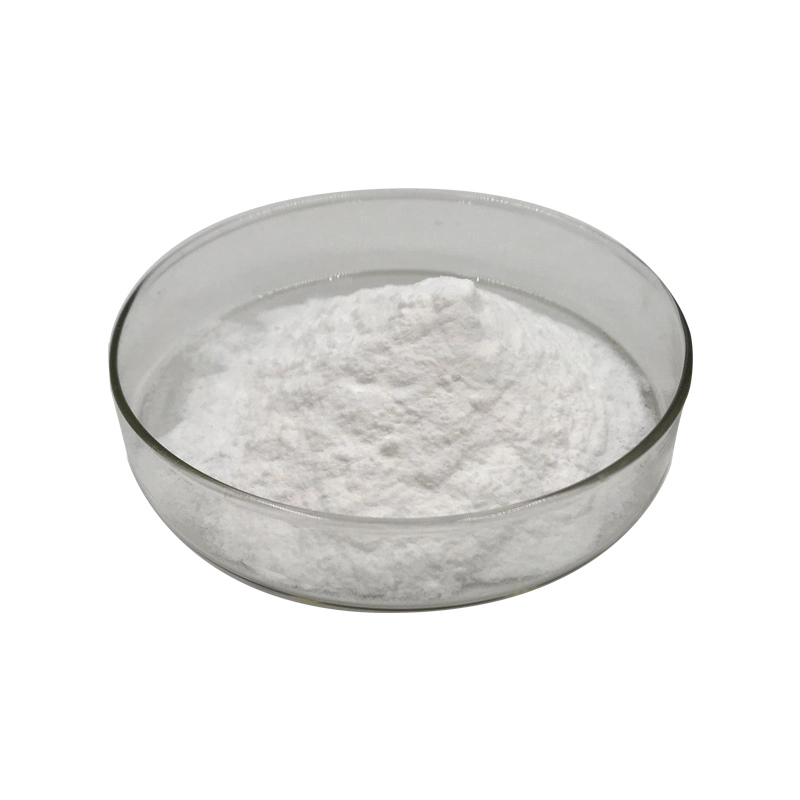
| form | powder |
| color | light brown |
| PH | 7.0 |
| Merck | 2481 |
| InChIKey | YRQNKMKHABXEJZ-UVQQGXFZSA-N |
| CAS DataBase Reference | 9001-12-1 |
| EPA Substance Registry System | Collagenase (9001-12-1) |
Safety Information
| Hazard Codes | Xn |
| Risk Statements | 36/37/38-42 |
| Safety Statements | 22-24-26-36/37 |
| WGK Germany | 1 |
| F | 10-21 |
| HS Code | 3507907000 |
Product Applications of Collagenase CAS No. 9001-12-1
(1) Collagen is essential for wound repair and scar development. It provides a structural foundation for elastic tissues and adhesion materials while supporting cell growth, differentiation, tissue development and connective tissue proliferation. It may also promote capillary formation and attract monocytes and fibroblasts, helping maintain and regulate granulation tissue. Reports indicate that collagen-based treatments for skin ulcers of various origins may improve epithelialization across superficial and deeper ulcer areas and encourage granulation tissue formation.
(2) Approximately 70%–80% of the organic components in bones consist of collagen. During bone formation, adequate collagen fibers must first be produced to establish the supporting framework. For this reason, collagen is sometimes described as the structural foundation of bone. Collagen fibers possess considerable tensile strength and flexibility. If a long bone is compared with a concrete column, collagen fibers act like its steel reinforcement. Insufficient collagen is comparable to using substandard reinforcing bars in a building, potentially increasing the risk of structural failure.
(3) Collagen's role in breast structure has been recognized for many years. Breasts primarily consist of connective and adipose tissues, while their firmness and shape depend partly on the support provided by connective tissue. Collagen is a major component of this tissue. Within connective tissue, collagen frequently combines with proteoglycans to form a network that provides mechanical strength and helps support the body's contours and upright posture.
(4) Collagen is often described as the structural foundation of bones, skin and flesh. It provides essential support for the dermis and plays a significant role in skin structure. Protection and suitable elasticity are among its important functions. The subepidermal region contains most of the skin's structural components. The dermis, approximately 2 mm thick, can be divided into three layers: the papillary layer, subpapillary layer and reticular layer. Much of this region consists of proteins, primarily collagen and elastin. Other components include nerves, capillaries, sweat glands, sebaceous glands, lymphatic vessels and hair follicles. Collagen accounts for a substantial proportion of skin structure. As the body's extensive outer covering, the skin relies on collagen to maintain its protective barrier while providing appropriate elasticity and firmness during movement.
Factory and Equipment Show


Fast delivery time
Inventory 2-3 working days New production 7-10 working days