Products Description
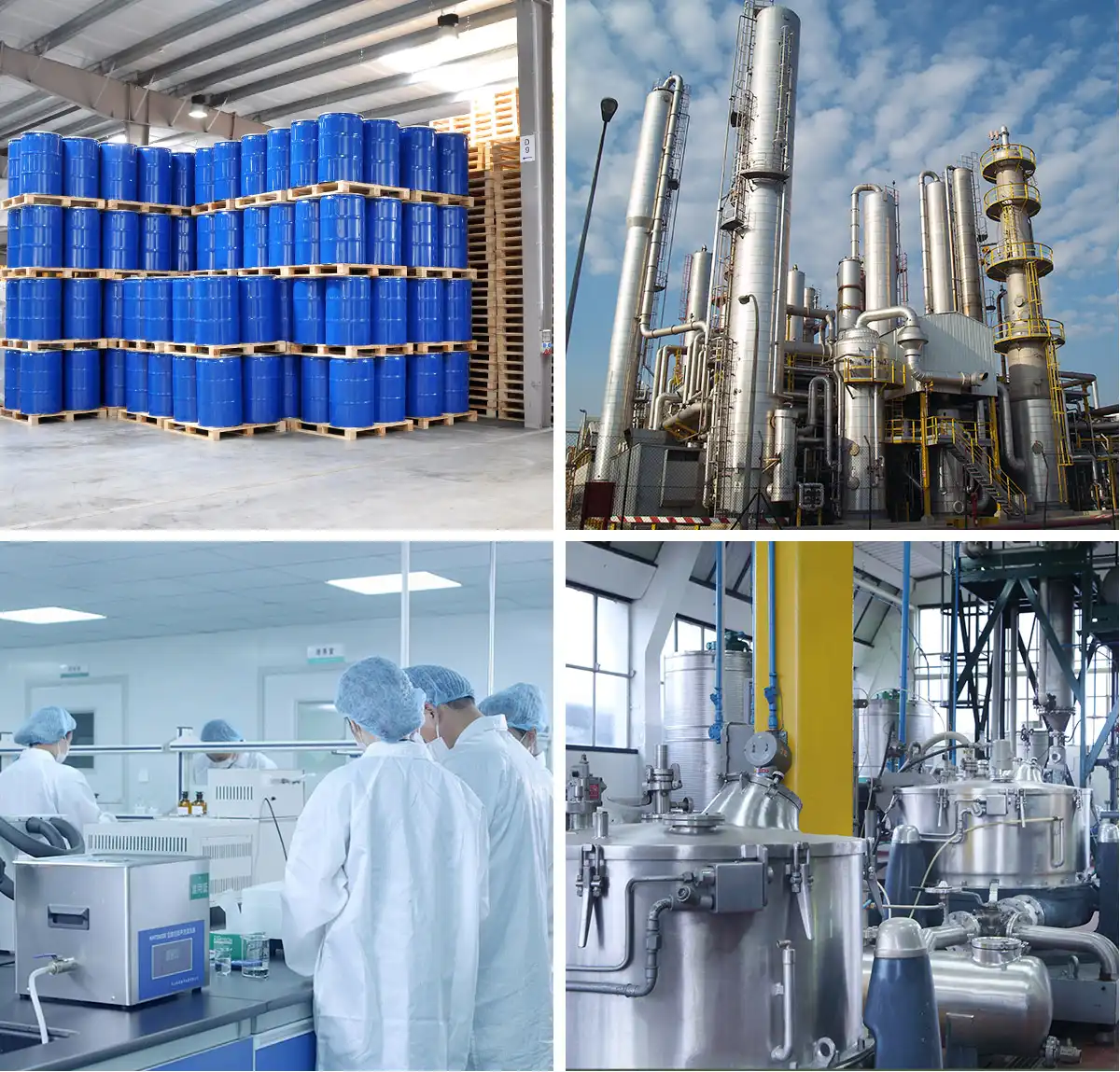
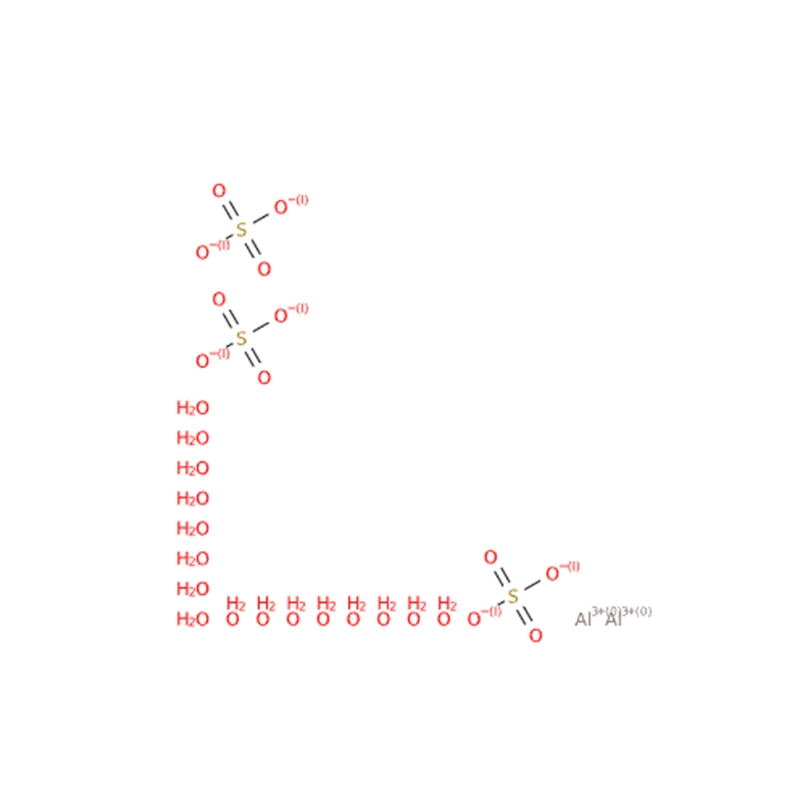
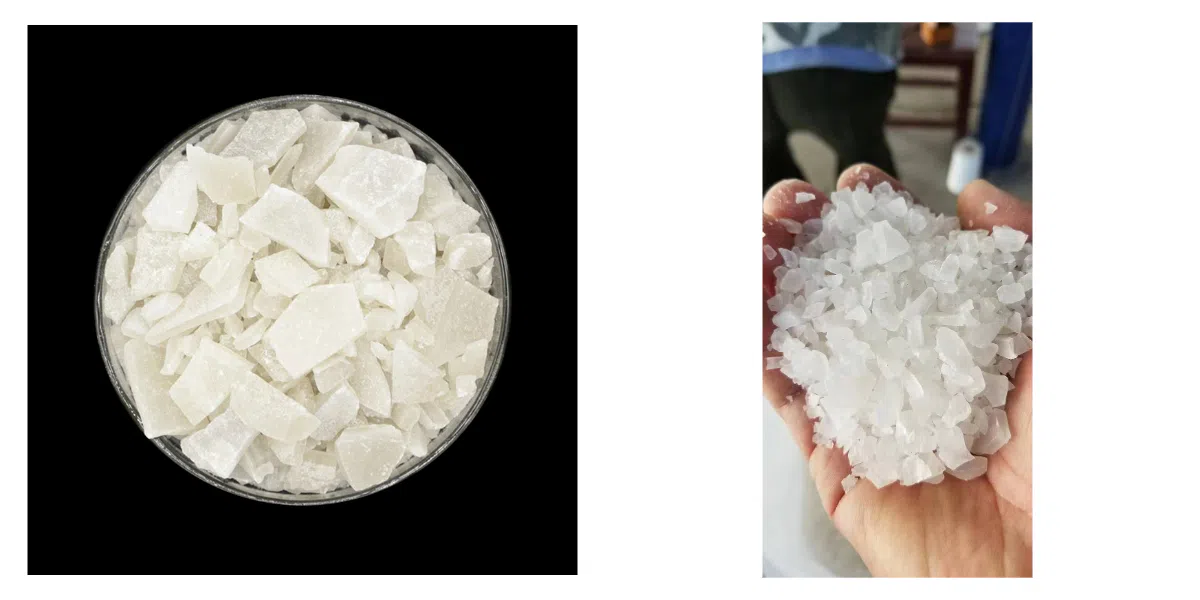
Aluminium Sulphate (CAS:16828-11-8) is an inorganic salt, commonly known as aluminum sulfate. It appears as white or off‑white flakes, granules or powder. It is soluble in water, and the aqueous solution shows weak acidity. Our non‑ferric aluminium sulphate is strictly controlled for iron content, avoiding yellowing problems. It is manufactured under stable production process with consistent batch index. It acts as an efficient inorganic coagulant and is widely accepted in water treatment and paper industries. We can provide COA and MSDS for each batch. Multiple packing options are available, such as 25kg bags and 1000kg jumbo bags. Stable supply is guaranteed. It is exported to many countries for drinking water purification, industrial wastewater treatment and pulp sizing, satisfying both municipal and industrial clients.
Chemical Properties
| Melting point | 770 °C (dec.)(lit.) |
| density | 2.71 g/mL at 25 °C(lit.) |
| storage temp. | Sealed in dry,Room Temperature |
| LogP | -1.031 (est) |
| CAS DataBase Reference | 16828-11-8(CAS DataBase Reference) |
| Hazard Codes | Xi |
| Risk Statements | 37/38-41 |
| Safety Statements | 26-39 |
| RIDADR | UN3260 - class 8 - PG 3 - RQ - Corrosive solid, acidic, inorganic, n.o.s., HI: all |
| WGK Germany | 1 |
| RTECS | BD1700000 |
Product Application
The main application of aluminium sulphate is water treatment. It serves as coagulant for drinking water and wastewater to reduce turbidity, precipitate suspended particles and remove phosphorus. In papermaking industry, it is used as sizing agent together with rosin to improve paper water resistance and strength. It can be used in textile dyeing as a mordant to help dyes adhere firmly on fabrics. It also works as soil conditioner in agriculture to adjust pH value for acid‑loving plants. In leather industry, it is applied for tanning and hide fixing. Besides, it can be used in fireproof materials, concrete additives and sludge dewatering. Widely used in water plants, paper mills, textile factories and agricultural projects, it is a cost‑effective inorganic chemical with continuous global demand.