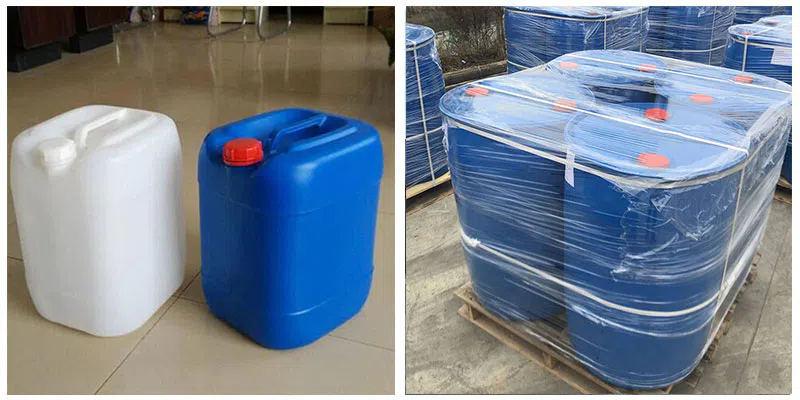
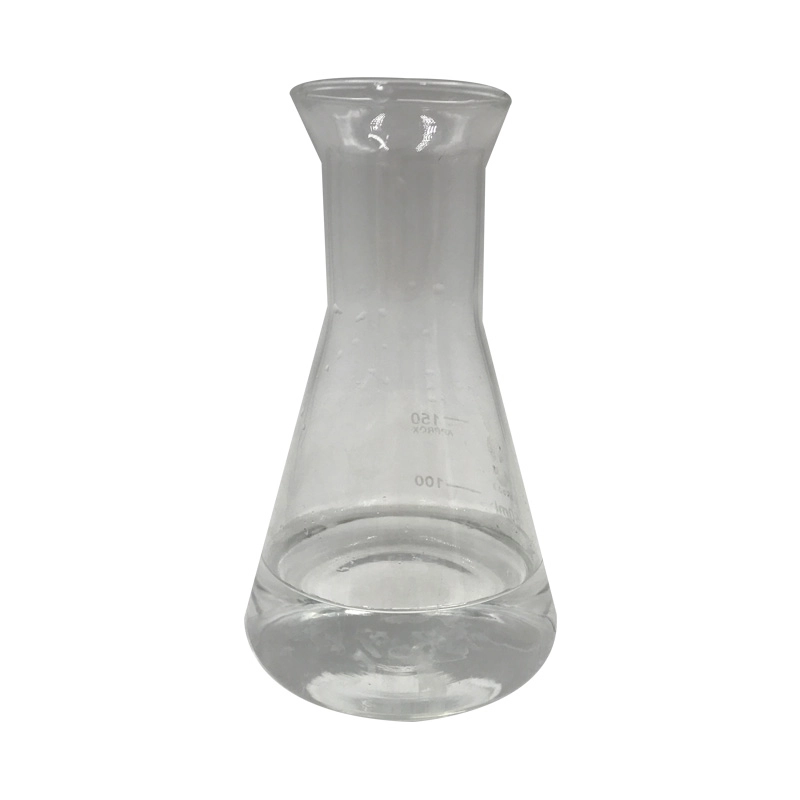
Sucrose is a naturally derived carbohydrate commonly produced from sugarcane, sugar beet, and other sucrose-containing plant materials. When supplied in its pure form, it contains no intentionally added ingredients. This substance typically appears as a white crystalline powder, transparent crystals, or solid crystalline aggregates. It is odorless and possesses a characteristic sweet flavor. Due to its consistent sweetness and versatile physical properties, sucrose is widely utilized in food manufacturing, beverage preparation, confectionery production, and various pharmaceutical formulations. Its appearance and particle characteristics may vary depending on the manufacturing process and product grade.
| Melting point | 185-187 °C (lit.) |
| alpha | 67 º (c=26, in water 25 ºC) |
| Boiling point | 397.76°C (rough estimate) |
| bulk density | 800-950kg/m3 |
| density | 1.5805 |
| refractive index | 66.5 ° (C=26, H2O) |
| Fp | 93.3°C |
| storage temp. | Inert atmosphere,Room Temperature |
| solubility | H2O: 500 mg/mL |
| form | Liquid |
| pka | 12.7(at 25℃) |
| color | White |
| PH | 5.0-7.0 (25℃, 1M in H2O) |
| Odor | Odorless |
| PH Range | 5.5 - 7 at 342 g/l at 25 °C |
| biological source | sugar cane |
| Optical Rotation | [α]25/D +66.3 to +66.8°(lit.) |
| Water Solubility | 1970 g/L (15 ºC) |
| λmax | λ: 260 nm Amax: 0.11 λ: 280 nm Amax: 0.08 |
| Merck | 14,8881 |
| BRN | 90825 |
| Exposure limits | ACGIH: TWA 10 mg/m3 OSHA: TWA 15 mg/m3; TWA 5 mg/m3 NIOSH: TWA 10 mg/m3; TWA 5 mg/m3 |
| Dielectric constant | 3.3(Ambient) |
| Stability: | Stable. Combustible. Incompatible with strong oxidizing agents. Hydrolyzed by dilute acids and by invertase. |
| Cosmetics Ingredients Functions | HUMECTANT SKIN CONDITIONING SOOTHING |
| InChI | 1S/C12H22O11/c13-1-4-6(16)8(18)9(19)11(21-4)23-12(3-15)10(20)7(17)5(2-14)22-12/h4-11,13-20H,1-3H2/t4-,5-,6-,7-,8+,9-,10+,11-,12+/m1/s1 |
| InChIKey | CZMRCDWAGMRECN-UGDNZRGBSA-N |
| SMILES | OC[C@H]1O[C@H](O[C@]2(CO)O[C@H](CO)[C@@H](O)[C@@H]2O)[C@H](O)[C@@H](O)[C@@H]1O |
| LogP | -4.492 (est) |
| CAS DataBase Reference | 57-50-1(CAS DataBase Reference) |
| NIST Chemistry Reference | Sucrose(57-50-1) |
| EPA Substance Registry System | Sucrose (57-50-1) |
| Absorption | ≤0.100 at 280nm ≤0.120 at 260nm |
| Hazard Codes | Xi |
| Risk Statements | 36/37/38 |
| Safety Statements | 24/25-37/39-26 |
| OEB | B |
| OEL | TWA: 10 mg/m3 (total) |
| WGK Germany | 2 |
| RTECS | WN6500000 |
| F | 3 |
| TSCA | TSCA listed |
| HS Code | 17019910 |
| Storage Class | 11 - Combustible Solids |
| Hazardous Substances Data | 57-50-1(Hazardous Substances Data) |
| Toxicity | LD50 orally in Rabbit: 29700 mg/kg |
Sucrose is a versatile excipient commonly incorporated into oral pharmaceutical preparations. In tablet manufacturing, concentrated sucrose solutions can function as binders during wet granulation, while powdered sucrose may be added as a dry binder, filler, or sweetening agent in chewable tablets and lozenges. However, formulations containing high levels of sucrose may develop increased hardness, potentially slowing tablet disintegration. Sucrose-based syrups are also employed in sugar-coating processes to improve tablet appearance and provide a smooth outer layer, although excessive concentration and partial hydrolysis can affect coating performance. In oral liquid formulations, sucrose syrup serves as a vehicle that enhances taste and helps adjust viscosity. It can also be used as a bulking agent in certain freeze-dried protein preparations. Beyond pharmaceutical applications, sucrose is extensively utilized in food processing, confectionery, and sweetened products. Specialized sugar pastes have additionally been used in wound-care applications, depending on their formulation and intended medical use.
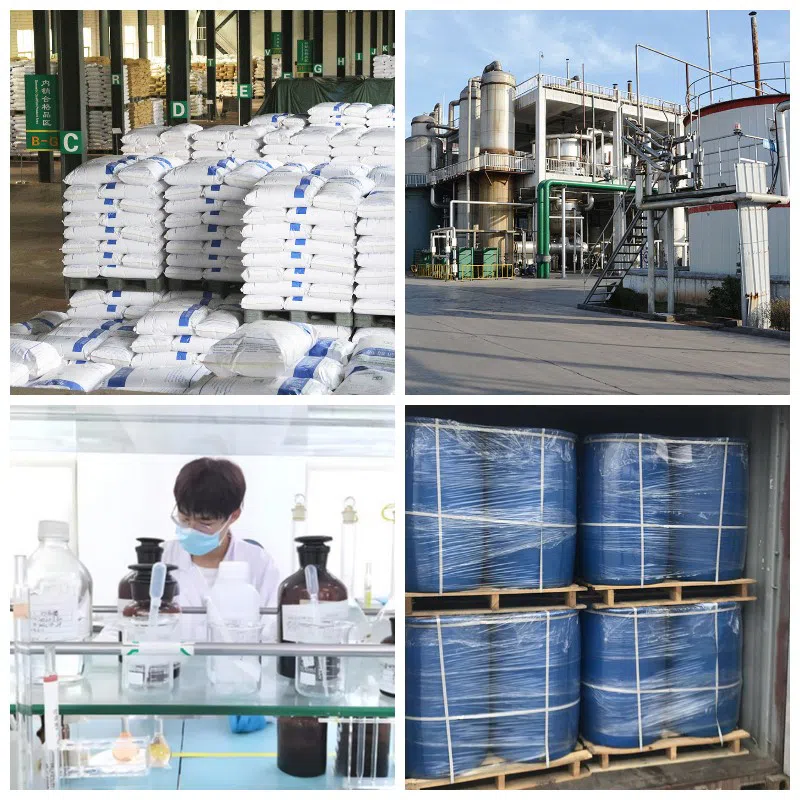
Inventory 2-3 working days New production 7-10 working days