
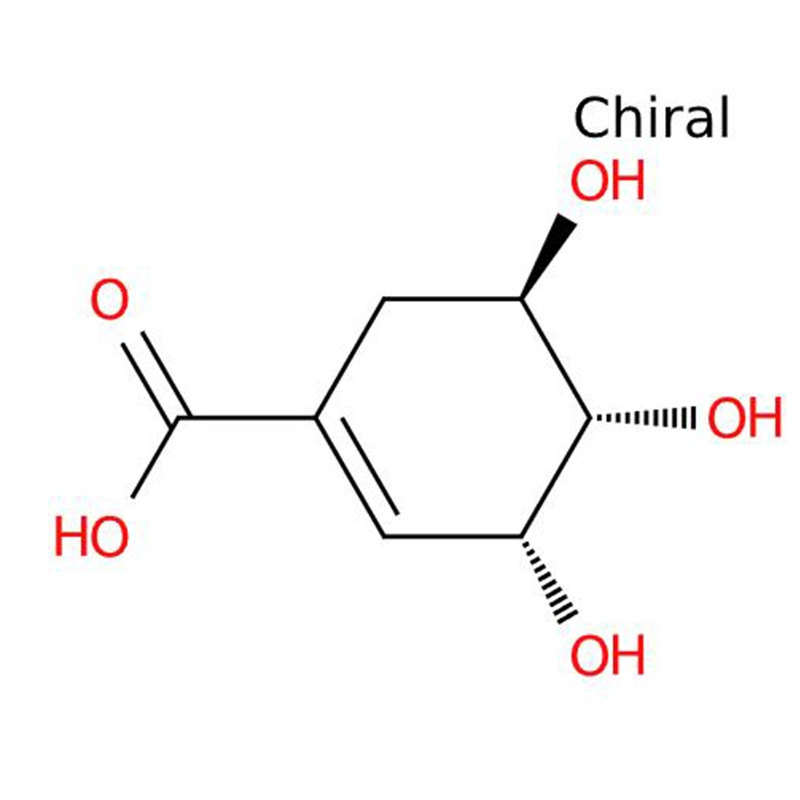
Product Details
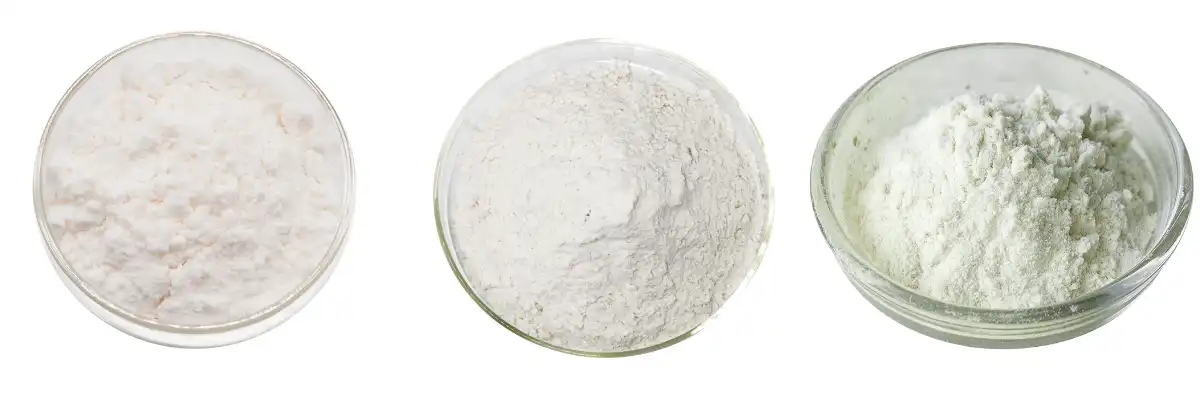
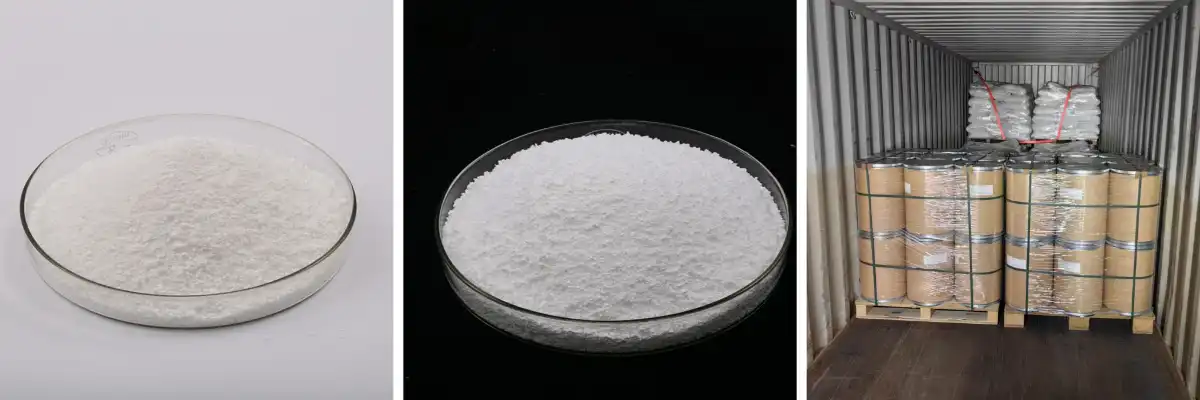
Shikimic acid is a white crystalline substance with high water solubility. It derives its name from shikimi grass (Illicium anisatum), a Japanese plant from which it was initially obtained. This compound serves as a key metabolic intermediate in both plants and microorganisms.
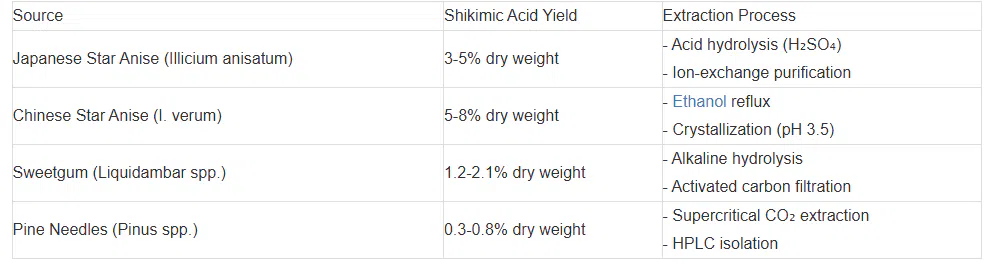
Traditionally, the primary source of shikimic acid has been the dried ripe fruits of Illicium species, particularly Japanese star anise (Illicium anisatum). However, recent studies have explored alternative extraction methods, including isolating shikimic acid from the fruits of sweetgum trees (Liquidambar formosana) and pine needles.
A white crystalline cyclohexene carboxylic acid with high water solubility (180 g/L at 20°C), named after Japanese shikimi grass (Illicium anisatum). This key metabolic intermediate features three chiral centers (3R,4S,5R configuration) and serves as the biochemical precursor to aromatic amino acids (phenylalanine, tyrosine, tryptophan) in the shikimate pathway.
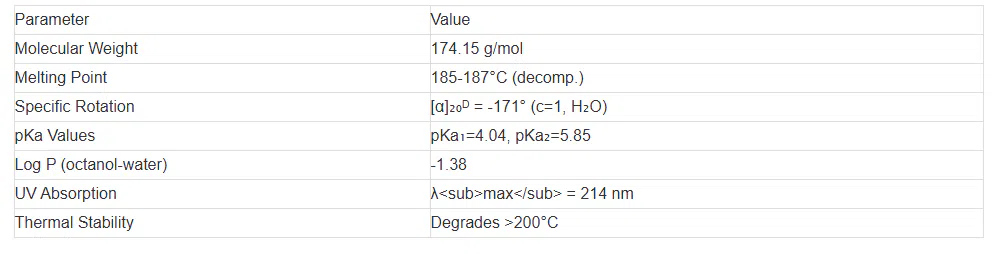
Key Properties & Specifications
Production Methods & Sources
1. Traditional Plant Extraction
2. Fermentation (Dominant Industrial Method)
Engineered E. coli: Yields >70 g/L (glucose feedstock)
Strain: E. coli K12/ΔaroL/ΔaroK
Fermentation: 37°C, pH 7.0, 60 hrs
3. Chemical Synthesis
Asymmetric Route: Diels-Alder of furan with acrylic acid (enantiomeric excess >98%)
Cost: $2,500/kg (vs. $400/kg for fermentation)
Industrial Applications
1. Pharmaceutical Synthesis
Oseltamivir Phosphate (Tamiflu®):
Key intermediate: 70% of global SA demand
Reaction:
Shikimate→10 stepsOseltamivirShikimate10stepsOseltamivir
Antivirals: Zanamivir (Relenza®), Peramivir
Antibiotics: Chloramphenicol, Mycobacterium inhibitors
2. Biotechnology
Shikimate Pathway Engineering: CRISPR-modified crops (drought-resistant maize)
Biocatalysis: Chiral synthon for unnatural amino acids
3. Food & Agriculture
Plant Elicitor: Enhances phenolic compound production in grapes (wine quality)
Preservative: Inhibits E. coli O157:H7 (MIC = 12.5 mg/mL)
4. Cosmetics
Skin Brightener: Tyrosinase inhibitor (0.5-2% in serums)
Anti-Inflammatory: Reduces TNF-α in keratinocytes
Technical Grades & Specifications




