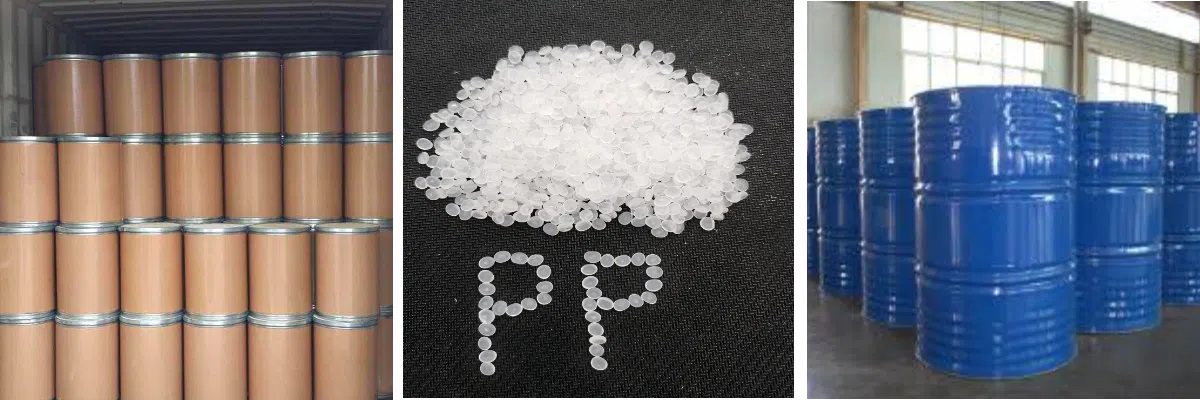
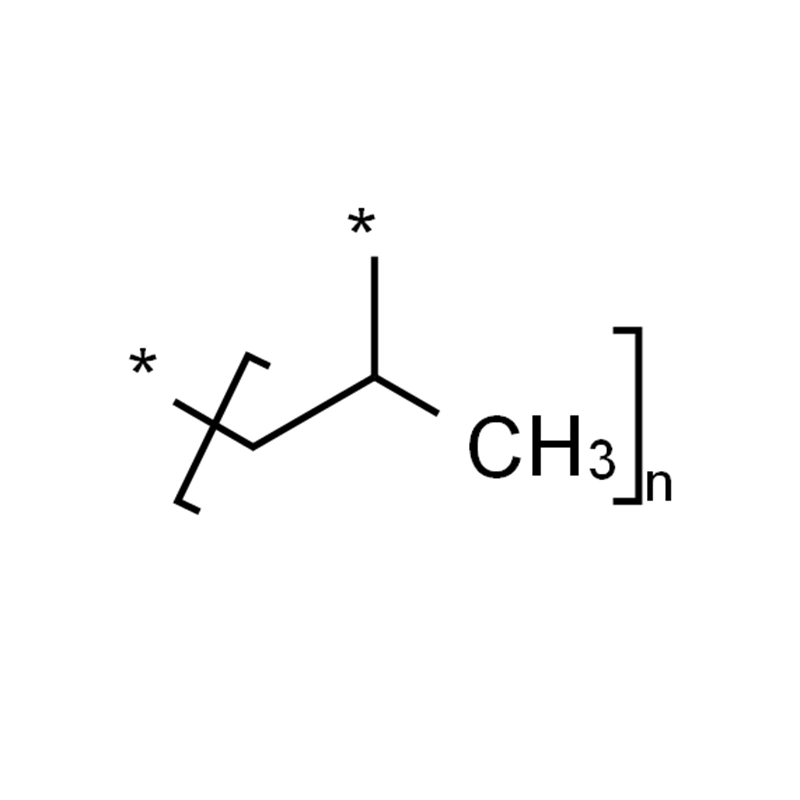
Products Description
Polypropylene(PP) is a low-density resin featuring balanced thermal, chemical and electrical properties with moderate mechanical strength. Reinforcing fillers such as glass fiber can substantially boost its strength. Although its heat resistance is limited, it works well for scenarios that need resistance to boiling water or steam sterilization.
Polypropylene withstands chemical attack effectively. It is stable against aqueous inorganic salts, mineral acids and bases even at high temperatures, and resists most organic substances. No known solvent dissolves this resin at room temperature. However, halogens, fuming nitric acid and other power oxidants, plus aromatic and chlorinated hydrocarbons at high temperatures, will degrade it.
This resin is translucent and autoclavable. Its properties may be upgraded by filler compounding, blending with synthetic elastomers, or copolymerization with a small proportion of other monomers.
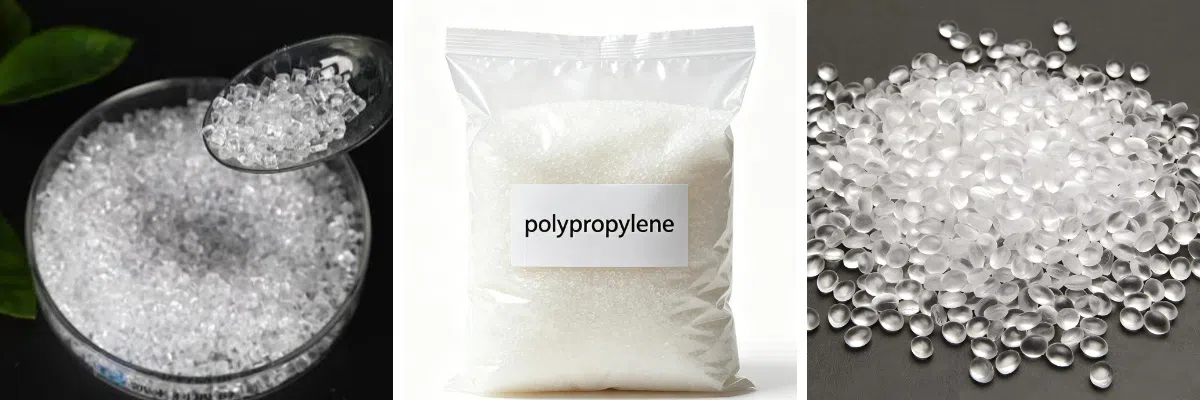
Chemical Properties
Property | Value |
|---|---|
Melting point | 158–170 °C |
Boiling point | Decomposes before boiling |
Density | 0.90–0.91 g/mL at 25 °C (lit.) |
Refractive index | n₂₀/D 1.49 (lit.) |
Fp (Flash Point) | >450 °C |
Storage temp | Room temperature, dry; avoid direct sunlight |
Form | Pellets / Granules |
Color | Translucent / White |
Odor | Odorless |
Merck | 13,7564 |
Dielectric constant | 2.2–2.6 (@1 MHz) |
Functions | Thermoplastic resin; used for molding, extrusion, fiber, packaging |
Cosmetics Ingredient Function | Viscosity controlling agent |
InChI | InChI=1S/C3H6/c1-3-2/h3H,1H2,2H3 |
InChIKey | KUFAQNLMLQWHBM-UHFFFAOYSA-N |
SMILES | [CH2]C(C)[CH2]n |
NIST Chemistry Reference | 1-Propene, homopolymer |
IARC | Group 3 (Not classifiable as to carcinogenicity to humans) |
Notes: Polypropylene is a polymer, no single fixed molecular weight; boiling point does not exist, it decomposes upon strong heating.
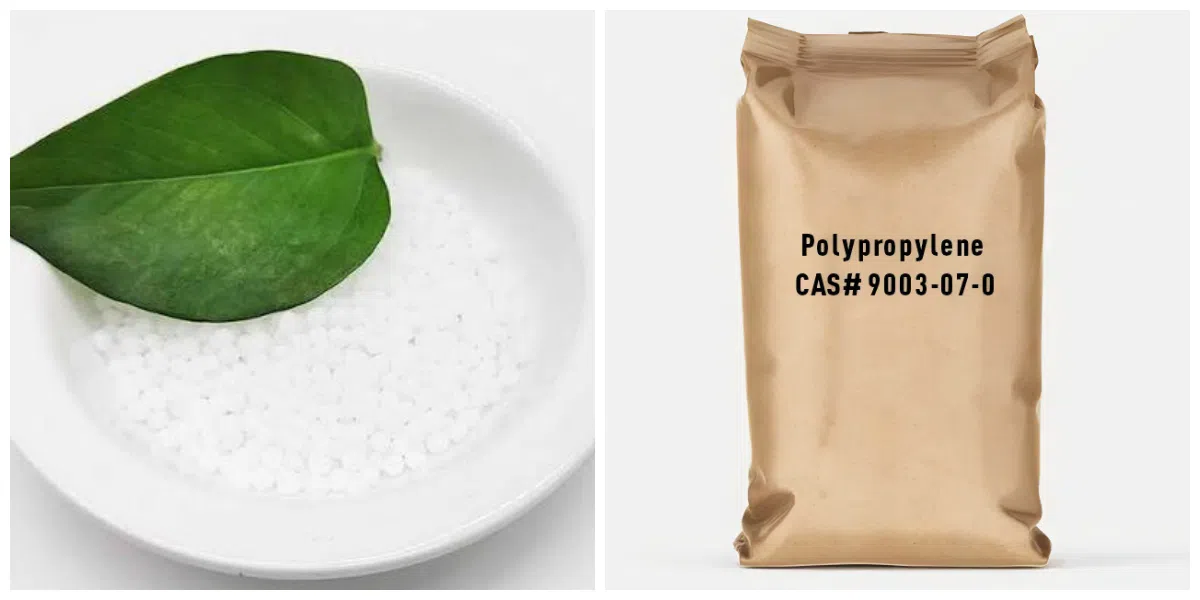
Product Applications
Polypropylene(PP) is a versatile thermoplastic polymer widely used across multiple industries.
Packaging: Food containers, flexible films, bottles, caps and closures, crates, packaging trays.
Automotive industry: Interior trims, bumpers, battery casings, instrument panels and lightweight auto components.
Nonwoven fabrics: Disposable masks, hygiene products, geotextiles, filter fabrics and agricultural fabrics.
Injection molded goods: Household utensils, storage boxes, furniture parts and consumer articles.
Extrusion products: Pipes, sheets, profiles, monofilaments and synthetic fibers.
Medical supplies: Autoclavable labware, medical containers, single-use medical devices (medical grade).
Agriculture: Mulch films, nursery pots, irrigation fittings.