
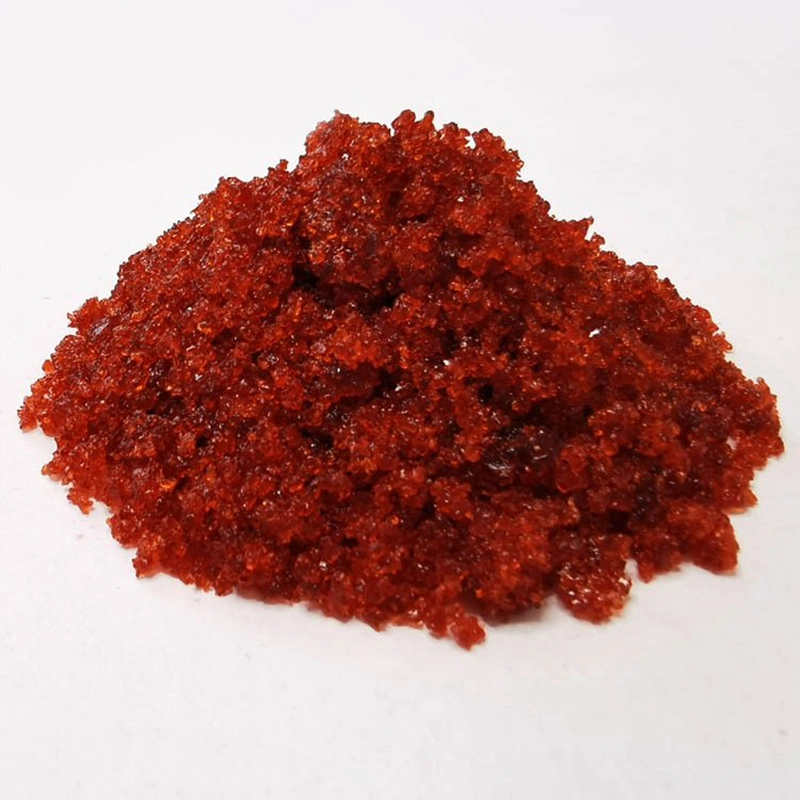
Products Description of Cobalt Sulfate Heptahydrate CAS#10026-24-1
Cobalt sulfate heptahydrate is a widely‑used cobalt‑based inorganic compound, presented as red‑blue crystalline particles with good water‑solubility. It tends to effloresce gradually upon exposure to open air, losing part of its crystal water and converting into cobalt sulfate hexahydrate.
This chemical is frequently utilized in chemistry laboratories and acts as an effective catalyst for diverse organic‑synthesis reactions. It also serves as a critical precursor for manufacturing downstream cobalt‑containing products such as cobaltates and cobalt oxides. Besides laboratory usage, it finds broad‑ranging deployment across multiple industrial sectors including electroplating, textile dyeing and inorganic‑pigment production.
Cobalt sulfate heptahydrate Chemical Properties
| Melting point | 98 °C |
| Boiling point | 735°C |
| Density | 2.03 g/mL at 25 °C(lit.) |
| Storage temp | Store at +5°C to +30°C. |
| Solubility | H2O: soluble |
| Form | Solid |
| Specific Gravity | 1.948 |
| Color | Red-brown |
| PH | 4 (100g/l, H2O, 20℃) |
| Water Solubility | 362 g/L (20 ºC) |
| Merck | 142,448 |
| Exposure limits | ACGIH: TWA 0.02 mg/m3 |
| Stability: | Stable. Non-flammable. Hygroscopic. Dehydrates at around 41 C and 71 C. |
| InChIKey | MEYVLGVRTYSQHI-UHFFFAOYSA-L |
| LogP | -1.031 (est) |
| CAS DataBase Reference | 10026-24-1(CAS DataBase Reference) |
| IARC | 2B (Vol. 86) 2006 |
| EPA Substance Registry System | Cobalt(2+) sulfate heptahydrate (10026-24-1) |
Product Application of Cobalt Sulfate Heptahydrate CAS#10026-24-1
Cobalt sulfate heptahydrate functions as an essential nutritional additive for animal feed. Since cobalt constitutes a core building‑block of vitamin B12, it facilitates red‑blood‑cell generation and boosts protein metabolism within animal organisms.
Within the electroplating sector, it is an indispensable ingredient formulated into cobalt‑plating baths. It also finds application in producing cobalt‑based ferromagnetic materials, paint‑drying agents, and colored porcelain glazes, and acts as a functional additive for alkaline batteries.
Beyond that, it works both as reagent and catalyst for chemical analysis. It can be deployed as ceramic‑glaze raw material, glass colorant and paint siccative. In biological research, it serves as blood‑color reference standard and is adopted for colorimetric quantitative determination of serum bilirubin in liver‑function assays.

