
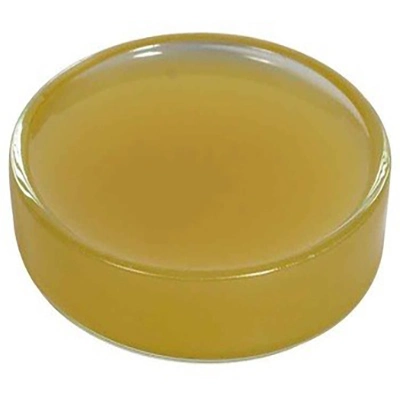
Products Description of Lanolin CAS#8006-54-0
Lanolin oil is a natural secretion from sheep skin. Its composition is highly similar to human sebum, the oily substance secreted by sebaceous glands, such as sebum on the nose. Unlike human sebum, lanolin contains no triglycerides, which means the common name “wool fat” may be misleading. Its original biological role is to nourish and protect sheep wool.
Benefiting from its outstanding conditioning and barrier-protective characteristics, lanolin is widely incorporated into cosmetics, skincare and hair care formulations. Lanolin oil is extracted from shorn sheep wool via centrifugation. This process separates the oily fraction from impurities, and no harm is done to the sheep.
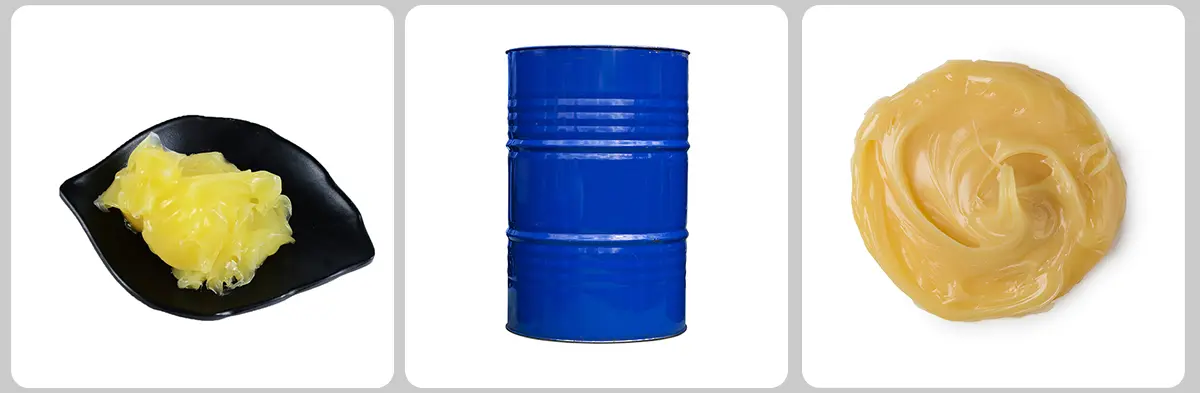
Lanolin Chemical Properties
| Melting point | 38-40 °C |
| Density | 0.932-0.945 g/cm3(Temp: 15 °C) |
| Fp | 209 °C |
| Storage temp. | Sealed in dry,Room Temperature |
| Solubility | chloroform: 0.1 g/mL, clear to faintly turbid (<29 NTU), strongly yellow-green |
| Form | Adhering Crystals or Powder |
| Color | White to yellow |
| Odor | Characteristic |
| Water Solubility | Soluble in ether, petroleum ether, chloroform and petroleum benzene. Sparingly soluble in ethanol. Insoluble in water. |
| Merck | 145,358 |
| Dielectric constant | 4.2(Ambient) |
| EPA Substance Registry System | Lanolin (8006-54-0) |
Product Application of Lanolin CAS#8006-54-0
Lanolin acts as a high‑performance emollient with outstanding moisturizing capacity. It also functions as an emulsifier featuring remarkable water‑absorption capability. Unlike petrolatum (Vaseline), which forms a fully occlusive film on skin, lanolin builds a breathable lipid network over the skin surface.
Long‑term clinical observations show allergic reactions triggered by lanolin occur at comparatively low incidence rates. Even so, it remains a controversial cosmetic ingredient due to potential concerns over pesticide residues and comedogenic risks. To address these points, premium‑grade lanolin manufacturers are prioritizing low‑pesticide production processes, while high‑end cosmetic developers tend to select highest‑purity lanolin grades.
Meanwhile, the comedogenic potential of lanolin is being reassessed by researchers. Many experts believe such risks may have been over‑emphasized, especially when lanolin is incorporated within complete emulsion formulations. Chemically, lanolin is a waxy, viscous natural substance secreted from sheep sebaceous glands and recovered from sheep wool, commonly classified as a natural wax.


