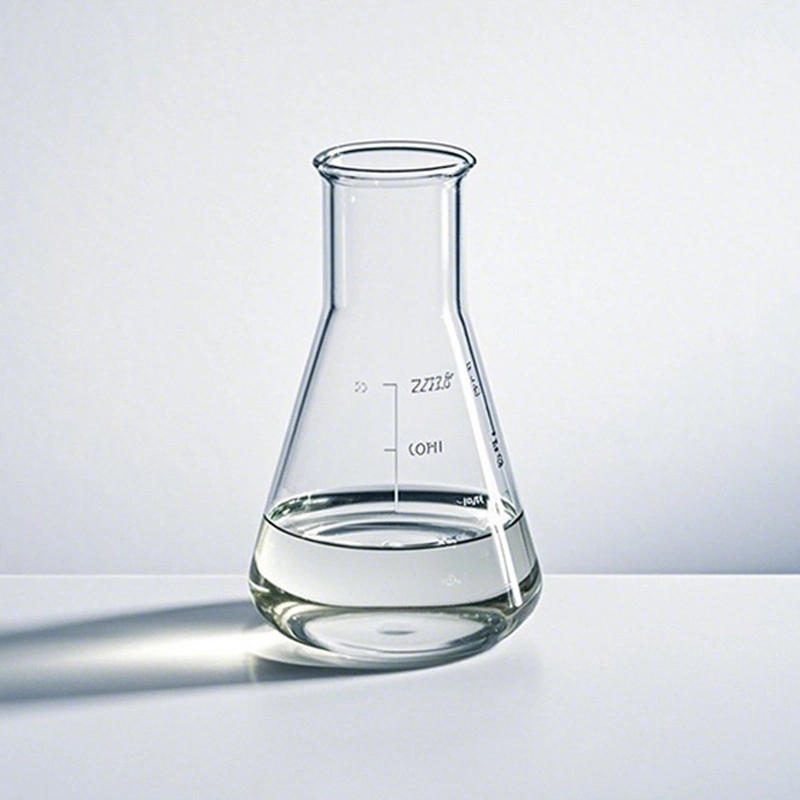
Benzene, designated by the molecular formula (C₆H₆) , functions as a frequently deployed aromatic hydrocarbon presenting as a colorless, highly flammable liquid characterized by a distinct sweet scent. Operating as a vital foundational feedstock within the chemical sector, it finds heavy utilization in the fabrication of polymers, synthetic textile fibers, elastomeric rubbers, and numerous alternative chemical formulations. Furthermore, benzene acts as a crucial structural precursor for synthesizing an extensive assortment of chemical derivatives, encompassing styrene, phenol, cyclohexane, and alternative industrial chemical compounds.
| Chemical Formula | C₆H₆ |
| Molecular Weight | 78.11 g/mol |
| CAS Number | 71-43-2 |
| IUPAC Name | Benzene |
| Synonyms | Benzol, Phenyl Hydride, Cyclohexatriene |
| Boiling Point | 80.1°C |
| Melting Point | 5.5°C |
| Density | 0.879 g/cm³ at 20°C |
| Vapor Pressure | 12.8 mmHg at 20°C |
| Solubility | Insoluble in water, soluble in organic solvents like alcohol, ether, and chloroform |
| Flash Point | -11°C (10°F) (closed cup) |
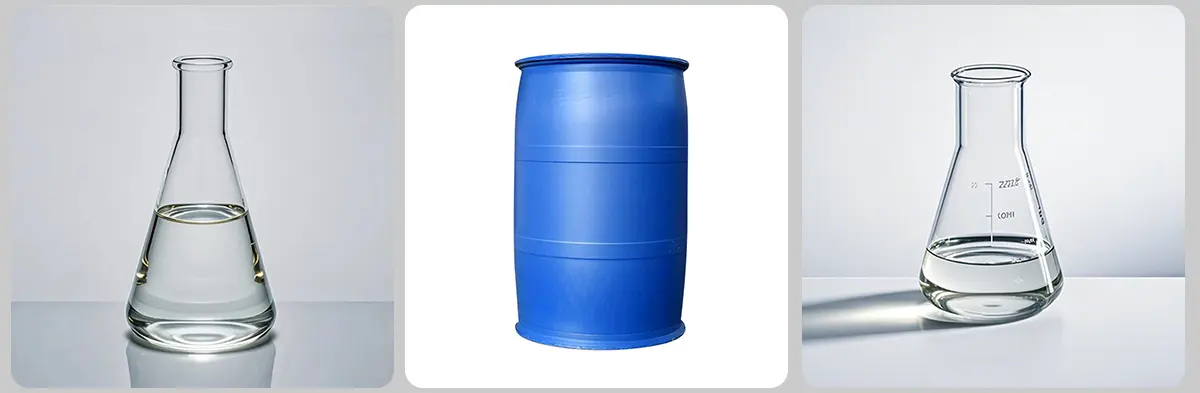
| Appearance | Colorless liquid with a sweet odor |
| Refractive Index | 1.501 at 20°C |
| Viscosity: | 0.65 cP at 25°C |
| Evaporation Rate: | 4.4 (butyl acetate = 1) |
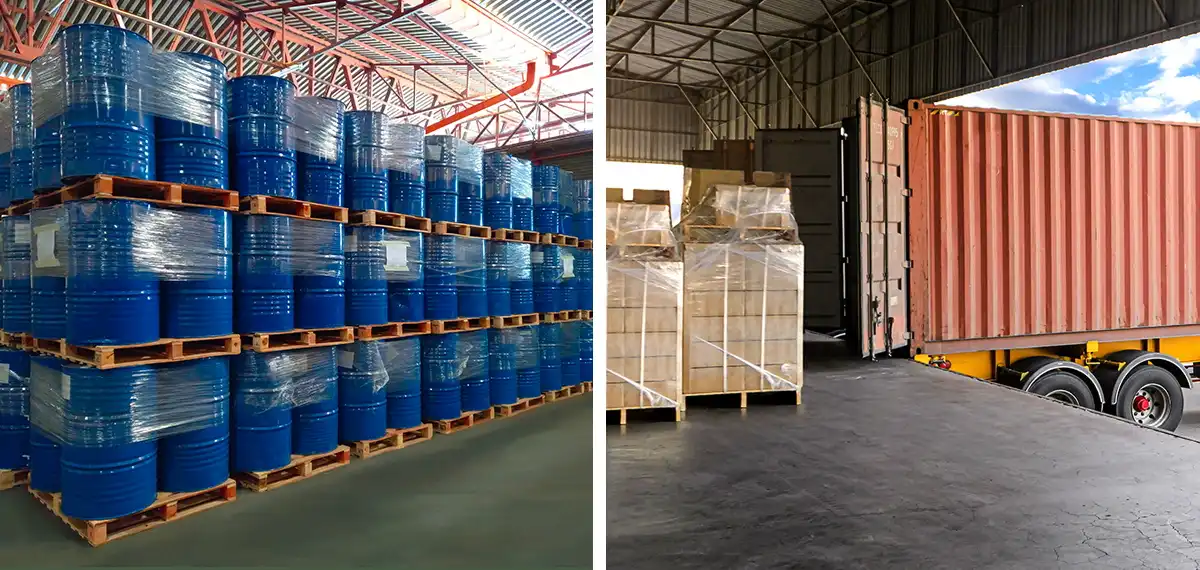
| Packaging | 180kg/Drum, 1000kg/IBC, or bulk tanker |
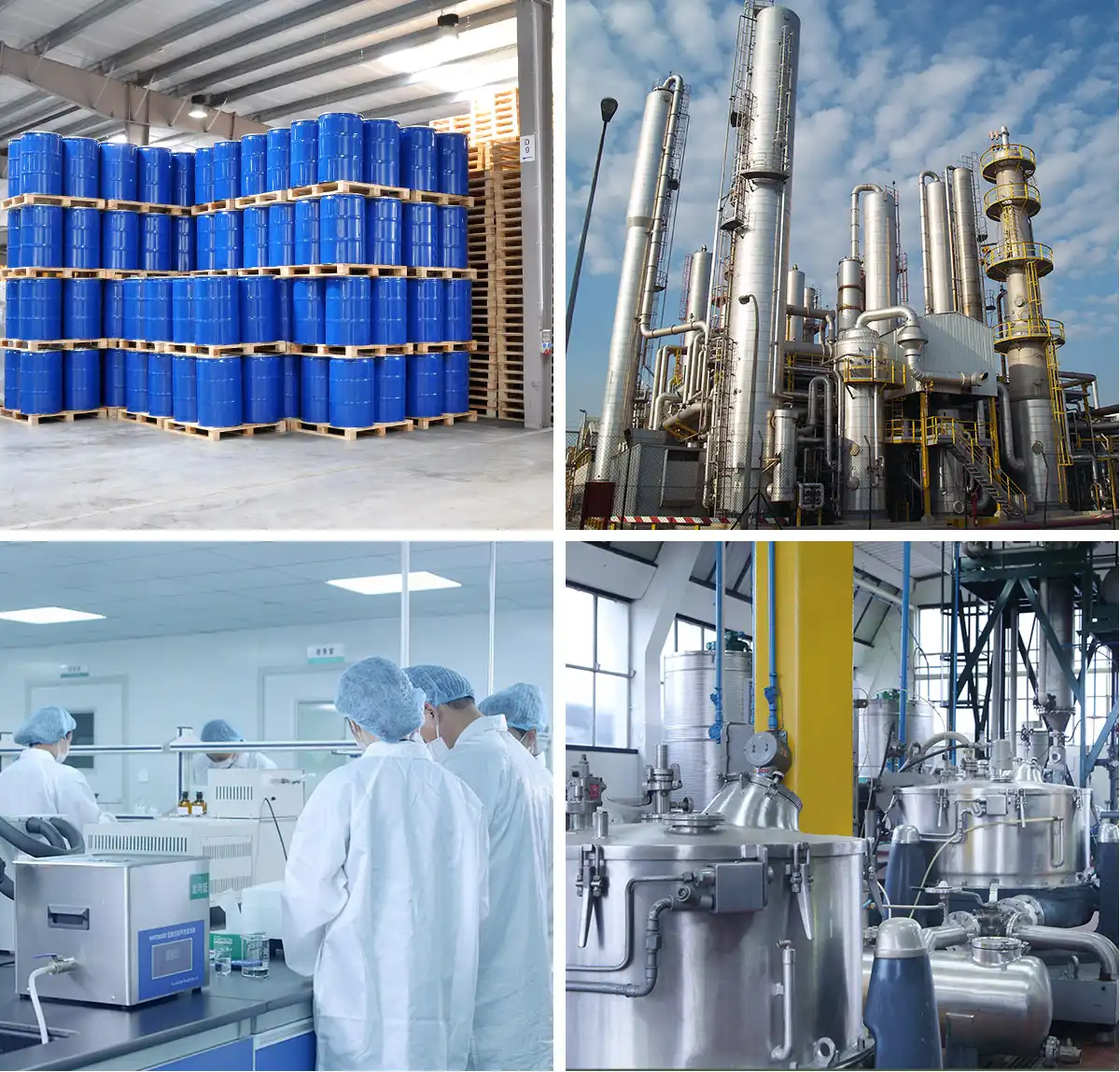
Chemical Manufacturing: Benzene functions as a vital precursor within chemical synthesis, driving the creation of styrene utilized in the production of polystyrene, ABS plastics, and synthetic rubber. It is similarly converted into phenol, forming an essential base for constructing various plastics, resins, and adhesives. Furthermore, benzene serves to generate cyclohexane, a crucial intermediate for nylon and associated synthetic fibers, alongside caprolactam, which acts as a core structural monomer for nylon-6 manufacturing.
Solvent Applications: Owing to its robust dissolution capacity, benzene has historically served laboratories and industrial settings for dissolving oils, resins, and various organic compounds. Nonetheless, its employment in this capacity has steadily contracted as industries transition toward safer chemical substitutes, driven by its established carcinogenic profile.
Pharmaceutical Applications: Within the pharmaceutical sector, benzene operates as an indispensable primary reactant and starting material for synthesizing numerous medicinal formulations and chemical intermediates.
Rubber Manufacturing: The compound also contributes significantly to elastomer production, participating directly in the manufacture of synthetic rubber materials, including butadiene-based polymers heavily relied upon for tire fabrication and related elastomeric goods.
Paints and Coatings: Additionally, benzene finds application as a processing solvent within the formulation of protective paints, industrial coatings, varnishes, and lacquers, where it enhances overall handling and application performance.