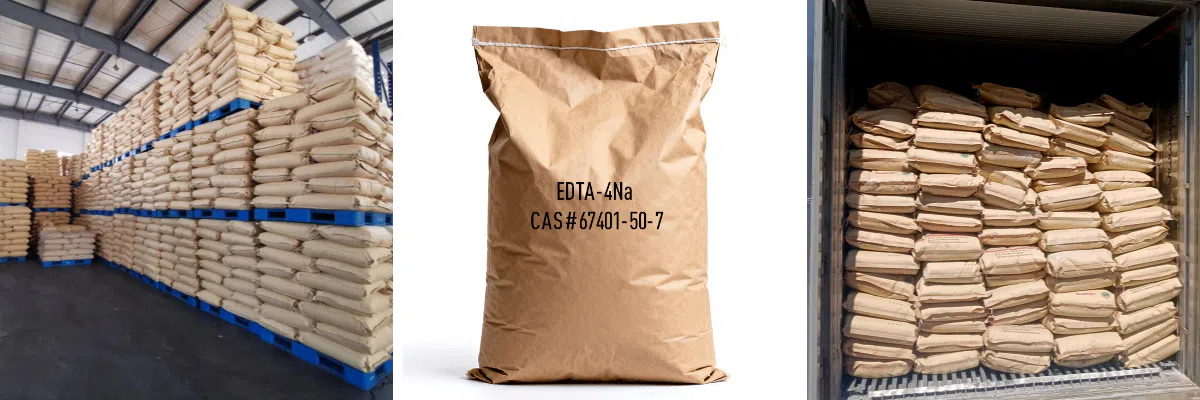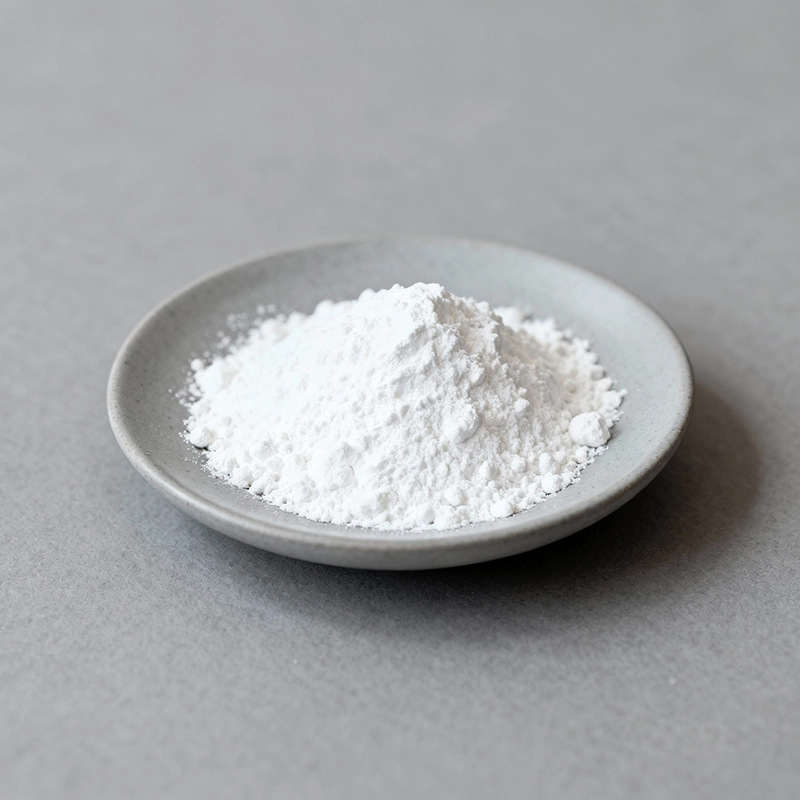
EDTA-4Na CAS#67401-50-7 Product Description
EDTA-4Na (CAS No. 67401-50-7), commonly referred to as EDTA tetrasodium salt or 4Na EDTA, is a widely utilized chelating agent with the molecular formula C₁₀H₁₉N₂NaO₉. It is typically supplied in the form of a white crystalline powder and exhibits excellent solubility in water.
Owing to its strong metal-binding properties and ability to form stable complexes with various metal ions, EDTA-4Na is extensively used across multiple industrial sectors. It helps control metal ion activity, enhance formulation stability, and improve processing efficiency and overall product performance in a wide range of applications.
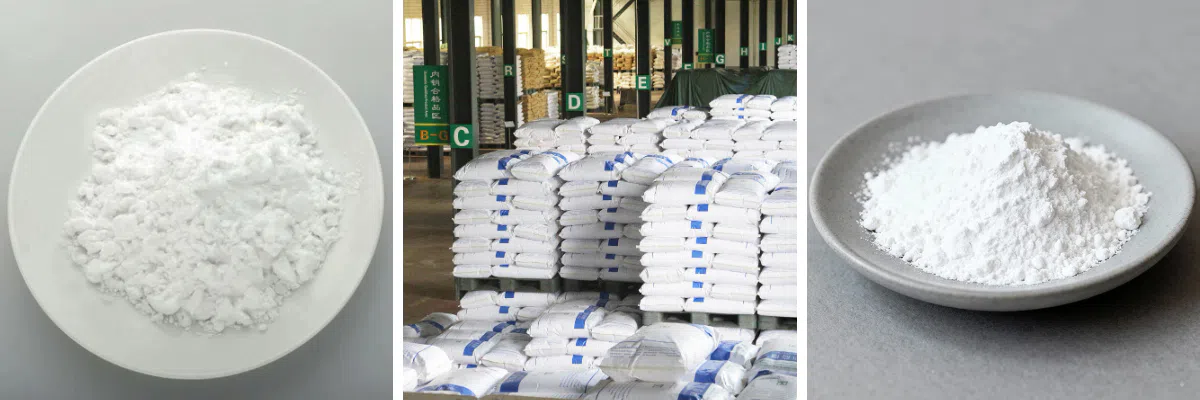
EDTA-4Na CAS#67401-50-7 Chemical Properties
| Molecular Formula: | C10H19N2NaO9 |
| Molecular Weight: | 334.26 g/mol |
| Appearance: | White crystalline powder |
| Solubility: | Soluble in water, insoluble in alcohol and acetone |
| pH Value: | 10.5-11.5 (5% aqueous solution) |
| Melting Point: | >300°C |
| Boiling Point: | 614.2ºC at 760 mmHg |
EDTA-4Na CAS#67401-50-7 Product Application
EDTA-4Na is extensively utilized in various industrial and commercial sectors because of its strong metal-chelating capabilities. Its major applications include:
1.Water Treatment: Acts as an effective metal-ion chelating agent, binding unwanted metal ions to help maintain water quality, prevent metal-related deposits, and improve overall system performance.
2.Dyeing and Textile Industry: Helps minimize interference from metal ions during textile processing, contributing to improved color brightness, dyeing uniformity, and the overall quality of finished fabrics.
3.Rubber Industry: Used as an activator in styrene-butadiene rubber (SBR) manufacturing, supporting the efficiency of rubber production processes.
4.Chemical Analysis: Widely employed in complexometric titration and other analytical techniques for the quantitative determination of metal ion concentrations.
5.Pharmaceutical and Cosmetic Formulations: Functions as a stabilizing and chelating agent to control trace metal ions, helping protect formulations against metal-catalyzed degradation and maintain product quality during storage.