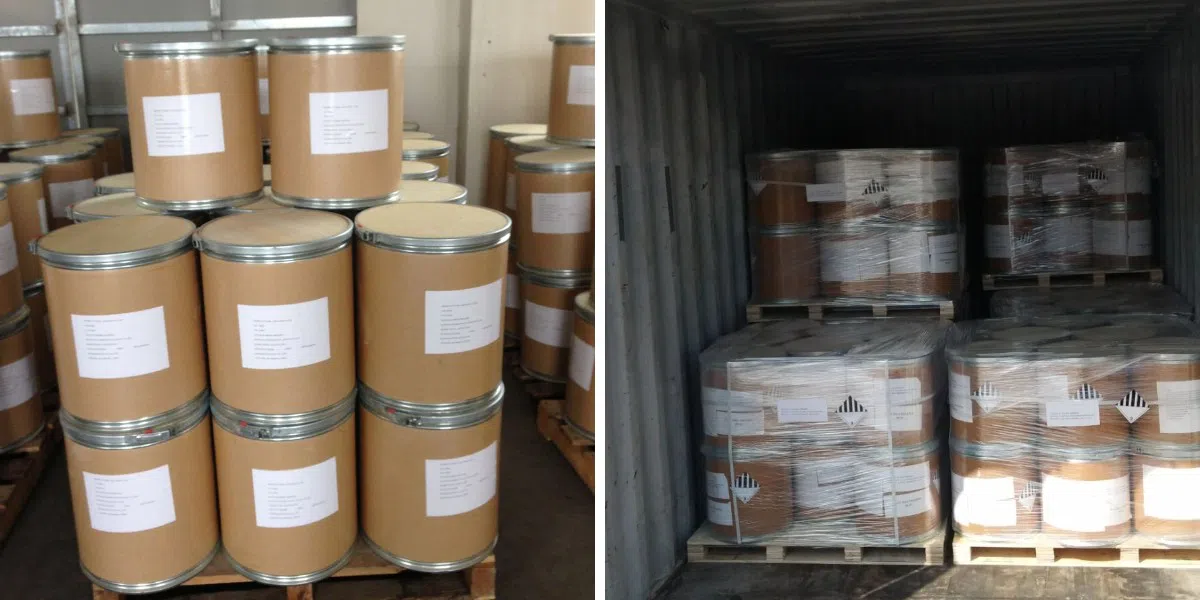
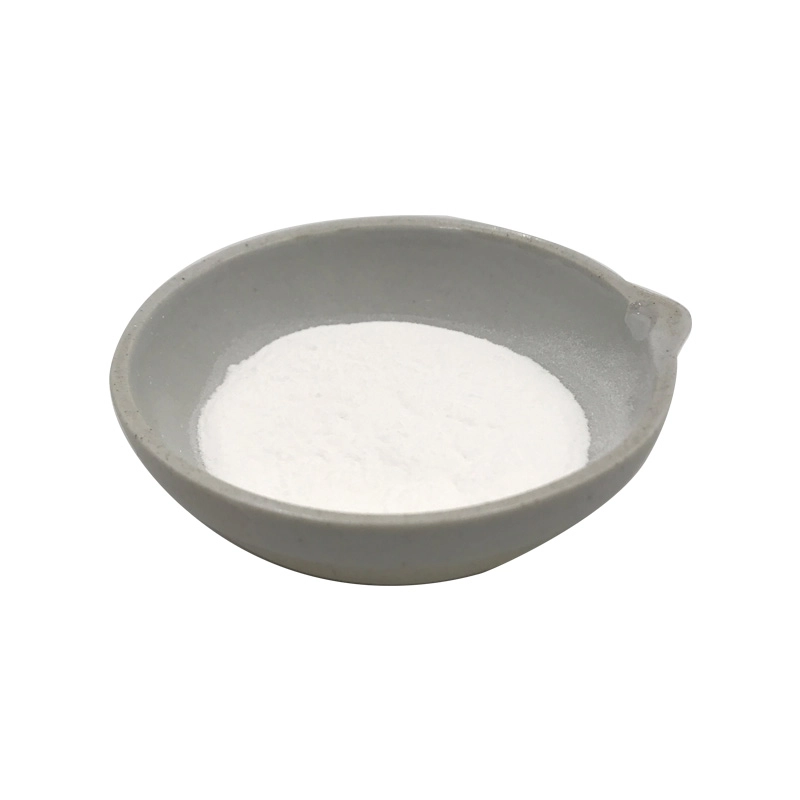
Product Description
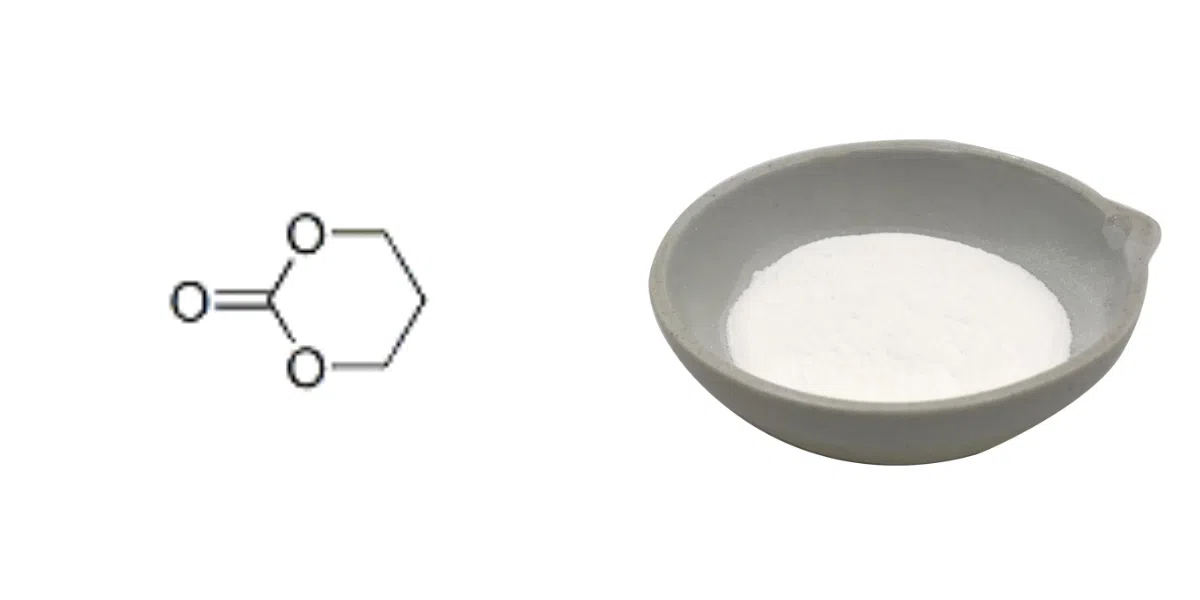
1,3-Dioxan-2-one, commonly known as trimethylene carbonate (TMC), is a six-membered cyclic carbonate compound with the molecular formula C₄H₆O₃ and a molecular weight of approximately 102.09 g/mol. It is typically supplied as a white or almost-white crystalline solid. Its melting point is generally reported in the range of approximately 45–49°C, although specifications may vary by supplier and product grade.
Product Manufacturing Process
Trimethylene carbonate is generally manufactured through chemical synthesis involving suitable carbonate precursors or other established synthetic routes. The process is designed to produce the cyclic carbonate structure required for subsequent polymerization.
Following synthesis, the product may undergo purification, crystallization, filtration, and drying to achieve the desired purity and physical form. Quality-control testing may include chemical identity, purity, melting point, moisture content, and residual impurities. Commercial specifications and manufacturing methods vary depending on the supplier and the intended application.
Safety and Storage
- Store in a tightly closed container under the supplier's recommended conditions.
- Protect from moisture and contamination.
- For long-term storage, follow the supplier's specified temperature requirements; some grades recommend refrigerated storage.
- Avoid unnecessary contact with skin and eyes.
- Wear appropriate personal protective equipment and avoid inhaling dust.
- Consult the Safety Data Sheet (SDS) for specific hazard classifications, handling instructions, and disposal requirements.