
Product Overview
4-Chlorophenethylamine, also known as 2-(4-chlorophenyl)ethylamine or p-chlorophenethylamine, is an aromatic primary amine with the molecular formula C8H10ClN and a molecular weight of 155.63 g/mol. Its CAS number is 156-41-2. The molecular structure consists of a benzene ring substituted with a chlorine atom at the para position and an ethylamine side chain attached to the aromatic ring.
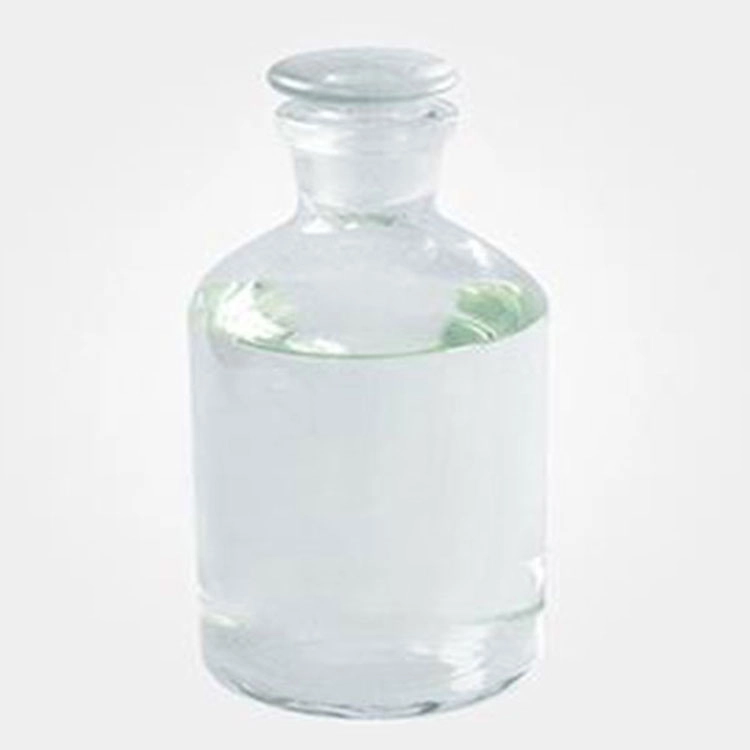
This compound is generally supplied as a clear, colorless to light yellow or orange liquid, depending on its purity and storage conditions. It combines the chemical characteristics of an aromatic ring, a chlorine substituent, and a primary amino group, making it a useful building block for organic synthesis. The amino functionality can participate in reactions such as acylation, alkylation, and other transformations used in the preparation of more complex organic molecules.
4-Chlorophenethylamine is primarily used in laboratory research, fine chemical development, and the preparation of specialized organic intermediates. Its purity, appearance, and physical specifications should be confirmed against the manufacturer's product specifications and Certificate of Analysis (COA).
Boiling point | 60-65 °C0.1 mm Hg(lit.) |
density | 1.112 g/mL at 25 °C(lit.) |
refractive index | n20/D 1.548(lit.) |
Fp | 223 °F |
storage temp. | Store Cold |
pka | 9.72±0.10(Predicted) |
form | Liquid |
color | Clear colorless to yellow |
Specific Gravity | 1.12 |
BRN | 508247 |
InChIKey | SRXFXCKTIGELTI-UHFFFAOYSA-N |
CAS DataBase Reference | 156-41-2(CAS DataBase Reference) |
Safety Information
Hazard Codes | Xi,C,T |
Risk Statements | 36/37/38-34 |
Safety Statements | 26-36-45-36/37/39 |
WGK Germany | 3 |
Hazard Note | Corrosive |
HazardClass | IRRITANT |
HS Code | 29214990 |
Safety and Storage
4-Chlorophenethylamine should be handled in accordance with established chemical safety procedures and the supplier-specific Safety Data Sheet (SDS). Commercial supplier information identifies potential hazards including skin irritation, serious eye irritation, and respiratory irritation. Avoid direct contact with skin and eyes, and prevent inhalation of vapors or aerosols. Appropriate personal protective equipment, including chemical-resistant gloves, protective clothing, and safety goggles, should be worn during handling.
Use the material in a well-ventilated laboratory or industrial environment with suitable local exhaust ventilation. Keep the container tightly closed when not in use to minimize exposure and prevent contamination. Supplier guidance recommends storing the material in a cool, dark location, with some specifications recommending temperatures below 15°C and storage under an inert gas atmosphere. Protect it from excessive heat, direct sunlight, and prolonged exposure to air. Use compatible, properly sealed containers and keep the product away from incompatible chemicals.
In case of accidental contact, follow the first-aid instructions in the applicable SDS. Any spills, residues, and empty packaging should be managed according to local chemical waste regulations. Storage temperature, handling requirements, and hazard classifications may vary by supplier and grade, so always follow the latest manufacturer's documentation.


