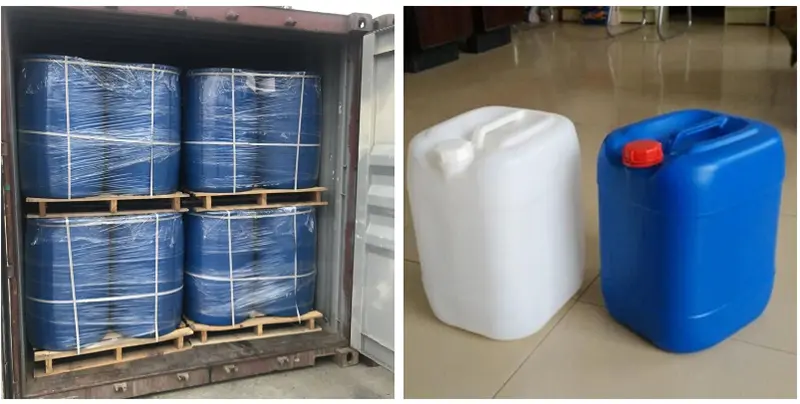

Product Description
Choline chloride is an organic salt composed of choline and chloride ions, with the molecular formula C₅H₁₄ClNO and a molecular weight of approximately 139.62 g/mol. It is generally supplied as a white crystalline powder or granulated material and is highly soluble in water. Choline is an important nutrient that contributes to normal cell membrane structure, lipid transport and metabolism, and the synthesis of acetylcholine, a neurotransmitter involved in nerve signaling.
Choline chloride is widely used in animal nutrition, particularly in feed premixes and compound feeds for poultry, swine, aquaculture, and other livestock, where it serves as a source of dietary choline. It is also used in selected nutritional, pharmaceutical, and research applications, depending on the grade and applicable regulations. Commercial products may differ in choline chloride content, moisture level, carrier composition, and physical form. Therefore, buyers should verify the product specification, purity, intended use, and relevant quality documentation before purchase.
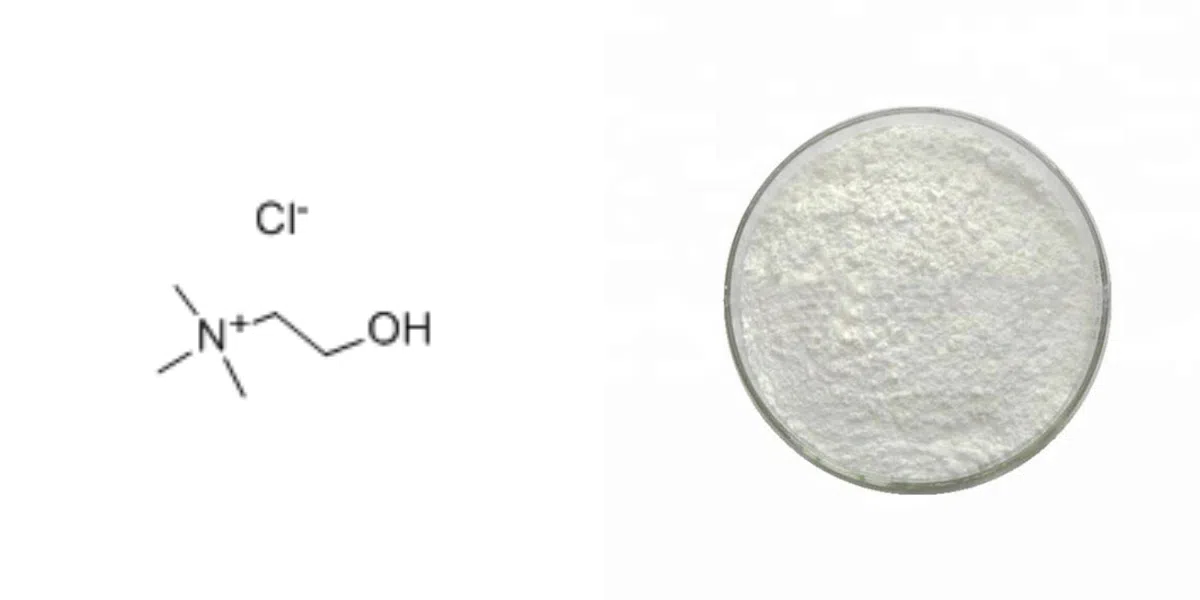
Product Manufacturing Process
Choline chloride is commonly manufactured through a controlled chemical reaction involving trimethylamine, ethylene oxide, and hydrochloric acid, or through other established production routes using suitable raw materials. The reaction conditions are controlled to obtain the required chemical composition and product quality.
After synthesis, the product may undergo concentration, crystallization or other recovery steps, followed by drying, granulation, or blending as required by the target commercial grade. For feed-grade products, a carrier may be incorporated to improve handling and processing characteristics. Quality-control testing may include choline chloride content, moisture, appearance, impurities, and other parameters specified by the manufacturer or relevant standards.
Safety and Storage
- Store in a tightly sealed container in a cool, dry, and well-ventilated area.
- Protect the material from moisture, as some commercial grades can absorb water.
- Avoid unnecessary contact with the eyes and skin, and minimize dust generation during handling.
- Wear appropriate personal protective equipment and follow good industrial hygiene practices.
- Use only the grade approved for the intended application, especially for animal feed, food-related, or pharmaceutical uses.
- Consult the supplier's Safety Data Sheet (SDS) for detailed handling, transportation, and disposal requirements.