
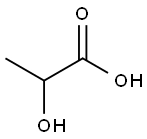
DL-Lactic Acid CAS#50-21-5 Products Description
Lactic acid, also referred to as 2-hydroxypropionic acid or α-hydroxypropionic acid, possesses an asymmetric carbon atom in its molecular structure, giving rise to three optical forms: the D-isomer, the L-isomer, and the racemic DL-isomer. It was first isolated from yogurt by Scheele in 1780. Lactic acid occurs in human and animal tissues in the D and racemic forms, while the L-isomer is a normal metabolite in mammals. It is also naturally present in various fruits and their juices, including poppy, apple, and tomato. In commercial production, lactic acid obtained through either fermentation or chemical synthesis is commonly available in racemic form.
Owing to the presence of both hydroxyl and carboxyl functional groups, lactic acid exhibits versatile chemical reactivity. It can react with acid anhydrides and alcohols to form esters, and with metals such as sodium, calcium, and iron to produce salts. In addition, lactic acid can undergo self-esterification, resulting in the formation of linear polyesters and cyclic compounds such as lactide. Under conditions of gradual oxidation, it is converted into pyruvic acid. When heated to temperatures above 250°C, lactic acid decomposes into acetaldehyde, with carbon dioxide and water released during the process.
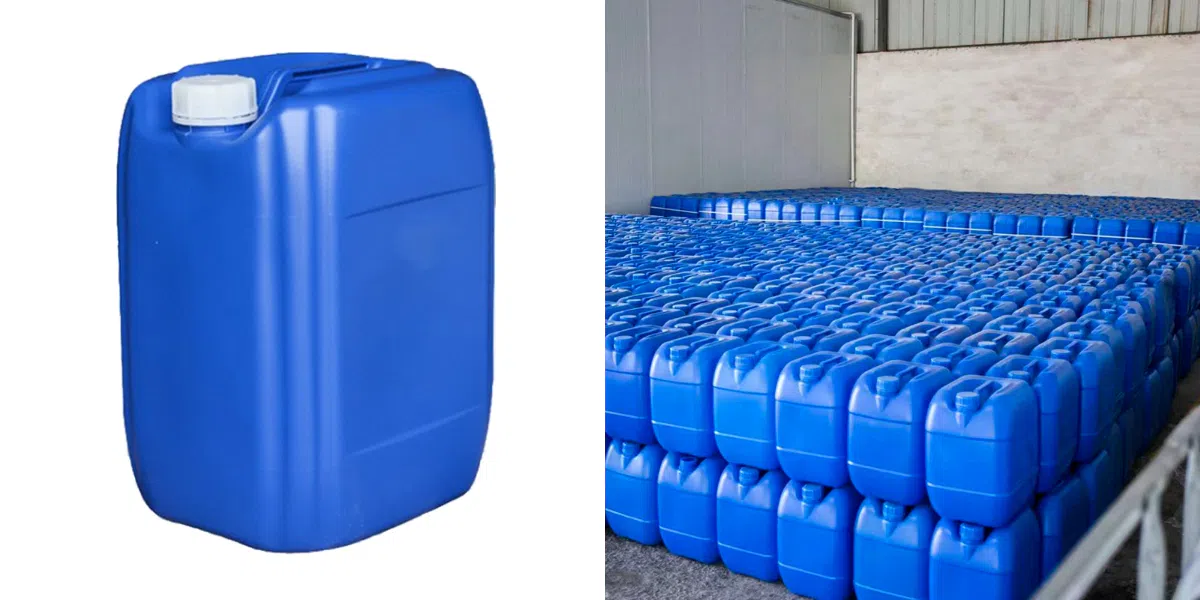
DL-Lactic Acid CAS#50-21-5 Chemical Properties
| Melting point | 18°C |
| Boiling point | 122 °C/15 mmHg (lit.) |
| alpha | -0.05 º (c= neat 25 ºC) |
| density | 1.209 g/mL at 25 °C (lit.) |
| vapor density | 0.62 (vs air) |
| vapor pressure | 19 mm of Hg (@ 20°C) |
| FEMA | 2611 | LACTIC ACID |
| refractive index | n20/D 1.4262 |
| Fp | >230 °F |
| storage temp | 2-8°C |
| solubility | Miscible with water and with ethanol (96 per cent). |
| form | syrup |
| pka | 3.08(at 100℃) |
| color | Colorless to yellow |
| Specific Gravity | 1.209 |
| PH | 3.51(1 mM solution);2.96(10 mM solution);2.44(100 mM solution); |
| Odor | at 100.00 %. odorless |
| Odor Type | odorless |
| Water Solubility | SOLUBLE |
| Merck | 14,5336 |
| JECFA Number | 930 |
| BRN | 1209341 |
| Dielectric constant | 22.0(16℃) |
| Stability | Stable. Combustible. Incompatible with strong oxidizing agents. |
| InChIKey | JVTAAEKCZFNVCJ-UHFFFAOYSA-N |
| LogP | -0.72 |
| CAS DataBase Reference | 50-21-5(CAS DataBase Reference) |
| NIST Chemistry Reference | Propanoic acid, 2-hydroxy-(50-21-5) |
| EPA Substance Registry System | Lactic acid (50-21-5) |
DL-Lactic Acid CAS#50-21-5 Safety Information
| Hazard Codes | Xi,C |
| Risk Statements | 38-41-34-37/38 |
| Safety Statements | 26-39-45-36/37/39 |
| RIDADR | 3265 |
| WGK Germany | 2 |
| RTECS | OD2800000 |
| F | 3 |
| TSCA | Yes |
| HazardClass | 8 |
| PackingGroup | III |
| HS Code | 29181100 |
| Hazardous Substances Data | 50-21-5(Hazardous Substances Data) |
DL-Lactic Acid CAS#50-21-5 Product Application
Lactic acid and sodium lactate are versatile ingredients widely used in cosmetic and personal care formulations for their preservative, exfoliating, moisturizing, and pH-adjusting properties. In the human body, lactic acid is present in the blood and muscle tissue as a byproduct of glucose and glycogen metabolism. It is also a natural component of the skin’s natural moisturizing factor (NMF).
Lactic acid demonstrates strong moisture-retention properties and may offer advantages over glycerin in certain hydration-related applications. Research suggests that it can enhance the water-holding capacity of the stratum corneum, the skin’s outermost layer. Studies have also shown a relationship between lactic acid absorption and stratum corneum flexibility, with greater absorption associated with increased skin pliability.
According to research findings, regular use of formulations containing 5%–12% lactic acid may provide mild to moderate improvements in fine lines and wrinkles while helping the skin feel softer and smoother. Its exfoliating action also supports the removal of excess surface pigmentation and helps improve overall skin texture and feel.
Lactic acid is an alpha hydroxy acid (AHA) naturally found in sour milk and in various other fermented products, including beer and pickles. It can also occur in foods produced through bacterial fermentation. However, highly concentrated lactic acid solutions may cause skin irritation or chemical burns and should therefore be handled and formulated with appropriate care.


