
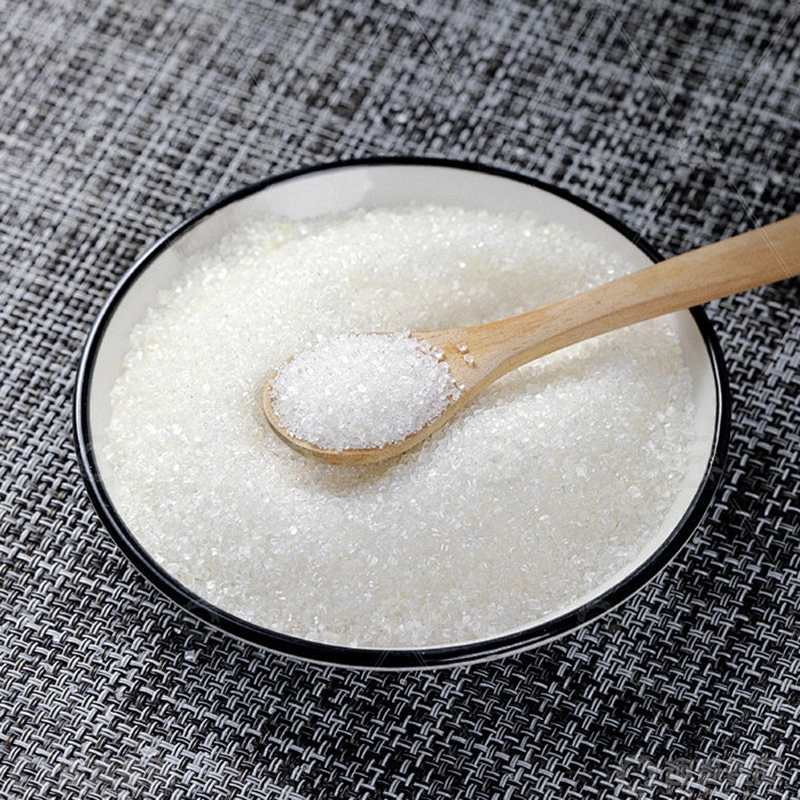
Products Description
Citric acid is a white, crystalline organic acid with relatively low acidity, naturally found in most plants and many animals, where it plays an important role as an intermediate in cellular respiration. Its molecular structure contains three carboxyl groups, classifying it as a tricarboxylic acid. The term “citrus” originates from the Greek word kedromelon, meaning “apple of melon,” referring to the citron fruit. Ancient Greek texts also used the terms kitron, kitrion, and kitreos to describe citron, an elongated fruit several inches in length that grows on the shrub-like tree Citrus medica. Lemons and limes are particularly rich in citric acid, with concentrations reaching up to 8% of their dry weight.
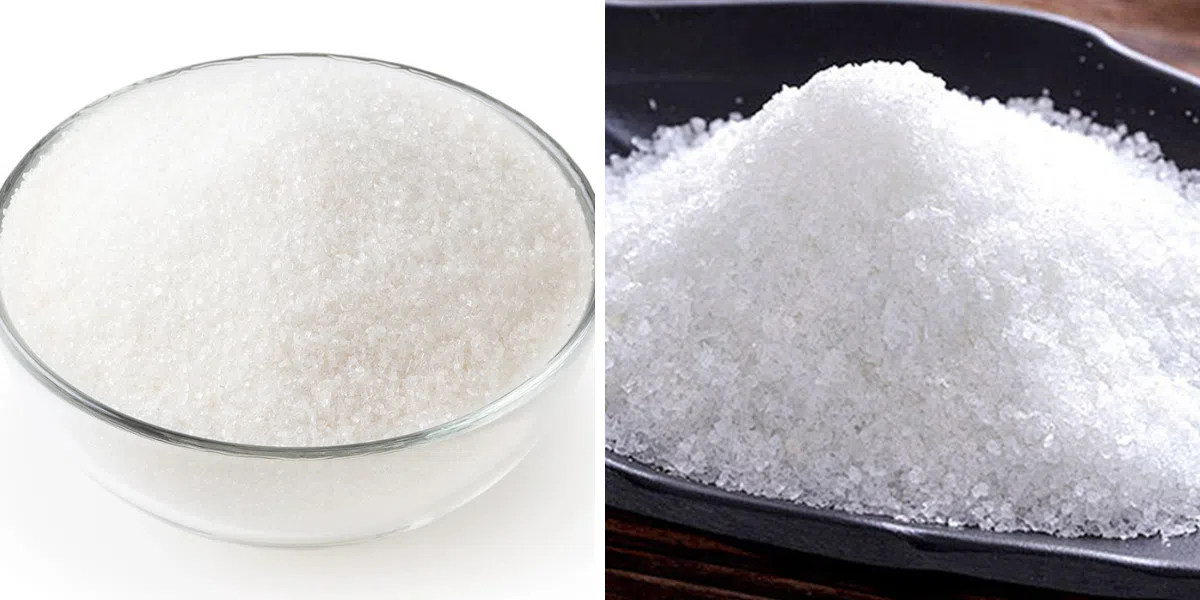
Product Name: | Citric acid |
Synonyms: | BETZ 6251;BETZ 0623;CITRIC ACID FREE ACID, ANHYDROUS PLANTCE LL CULTURE;CITRIC ACID 99.5+% FCC;CITRIC ACID, 500MG, NEAT;Citric acid, anhydrous, for analysis ACS, 99.6%;Citric acid, anhydrous, for analysis, 99.5%;Citric acid, anhydrous, pure, 99% |
CAS: | 77-92-9 |
MF: | C6H8O7 |
MW: | 192.12 |
EINECS: | 201-069-1 |
Product Categories: | Buffer Solutions, pH 5 - 9pH Buffers for Titration;Buffer Solutions;Other Buffer Solutions;ACS Grade;ACS Grade Buffers;Bioactive Small Molecules;Biochemicals and Reagents;Biological Buffers;Buffers A to Z;Building Blocks;Carbonyl Compounds;Carboxylic Acids;Cell Biology;Chelators;Chemical Synthesis;CI-CY;Essential Chemicals;Inorganic Salts;Nutrition Research;Organic Building Blocks;Other Biochemical;Phytochemicals by Chemical Classification;Research Essentials;Solutions and Reagents;AlphabeticalBiochemicals and Reagents;BioUltra Buffers;ChelatorsBiochemicals and Reagents;Luminescent Compounds/Detection;Solvents, Buffers and Reagents for Luminescence;Biological Buffers;Biological BuffersBiological Buffers;Buffers A to ZProtein Electrophoresis;Capillary Zone ElectrophoresisBiochemicals and Reagents;ChelatorsNutrition Research;Other Biochemical;Biochemicals Found in Plants;Capillary Electrophoresis;Cell Culture;Reagents and Supplements;Buffer Concentrates (FIXANAL);pH Buffers for Titration;Titration;C6Nutrition Research;Carbonyl Compounds;Carboxylic Acids;Food & Flavor Additives;Other BiochemicalPharmacopoeia (USP);Pharmacopoeial OrganicsCell Culture;USP Chemicals and ReagentsBiological Buffers;USP/MultiCompendial Grade BuffersMore...Close...;Pharmacopoeia A-ZPharmacopoeia (USP);Alphabetical Listings;C-D;Flavors and Fragrances;Buffers A to ZBiochemicals and Reagents;Biochemicals and Reagents;Other BiochemicalEssential Chemicals;Reagent Grade;Pharmacopoeia A-ZBiological Buffers;Pharmacopoeia (USP);USP/MultiCompendial Grade Buffers;Food additive and acidulant;Water Ttreatment Chemicals;FOOD ADDITIVES;CI - CLOther Lipid Related Products;NeatsChromatography;Alphabetic;C;Fatty AcidsFA/FAME/Lipids/Steroids;Food&Beverage Standards;Free Fatty Acids;Lipid Analytical Standards;Organic Acids;C6Biochemicals and Reagents;Other BiochemicalMore...Close...;ACS Grade BuffersBiological Buffers;ACS GradeBiological Buffers;Buffers A to ZCarbonyl Compounds;Essential Chemicals;Routine Reagents;77-92-9;C6 |
Mol File: | 77-92-9.mol |
Chemical Properties
Melting point | 153-159 °C (lit.) |
Boiling point | 248.08°C (rough estimate) |
density | 1.67 g/cm3 at 20 °C |
bulk density | 560kg/m3 |
vapor density | 7.26 (vs air) |
vapor pressure | <0.1 hPa (20 °C) |
refractive index | 1.493~1.509 |
FEMA | 2306 | CITRIC ACID |
Fp | 100 °C |
storage temp. | 2-8°C |
solubility | Citric acid also dissolves in absolute (anhydrous) ethanol (76 parts of citric acid per 100 parts of ethanol) at 15 °C. |
form | grit |
pka | 3.14(at 20℃) |
color | White |
PH | 3.24(1 mM solution);2.62(10 mM solution);2.08(100 mM solution); |
Odor | Odorless |
biological source | synthetic |
Odor Type | odorless |
explosive limit | 8%, 65°F |
Water Solubility | soluble in Water (1174g/L at 10°C, 1809g/L at 30°C, 3825g/L at 80°C). |
Sensitive | Hygroscopic |
λmax | λ: 260 nm Amax: 0.20 |
Merck | 14,2326 |
JECFA Number | 218 |
BRN | 782061 |
Stability: | Stable. Incompatible with bases, strong oxidizing agents, reducing agents, metal nitrates. |
InChIKey | KRKNYBCHXYNGOX-UHFFFAOYSA-N |
LogP | -1.64 |
CAS DataBase Reference | 77-92-9(CAS DataBase Reference) |
NIST Chemistry Reference | 1,2,3-Propanetricarboxylic acid, 2-hydroxy-(77-92-9) |
EPA Substance Registry System | Citric acid (77-92-9) |
Product Applications
Citric acid is an acidulant and antioxidant commonly produced through the fermentation of sugar solutions using mold, as well as extracted from natural sources such as lemon juice, lime juice, and pineapple canning residues. It is the primary organic acid found in citrus fruits, particularly oranges, lemons, and limes. Citric acid is available in two forms: anhydrous and monohydrate. The anhydrous form is obtained through crystallization from hot solutions, while the monohydrate form crystallizes from cold solutions below 36.5°C. At 20°C, the solubility in distilled water is approximately 146 g/100 mL for anhydrous citric acid and 175 g/100 mL for monohydrate citric acid. A 1% citric acid solution has a pH of approximately 2.3 at 25°C. It is hygroscopic and has a distinctly tart, acidic taste.


