
Product Overview
Glyphosate, chemically known as N-(phosphonomethyl)glycine, is a broad-spectrum, non-selective systemic herbicide widely used in agricultural and vegetation management applications. It has the molecular formula C₃H₈NO₅P and a molecular weight of 169.07 g/mol. Its molecular structure contains both a glycine component and a phosphonomethyl group, giving it distinctive chemical properties.
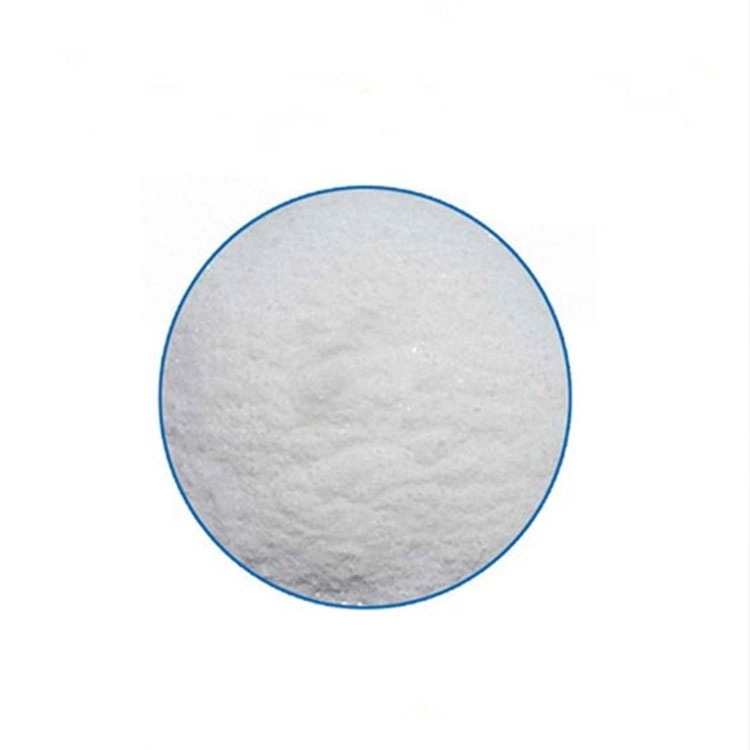
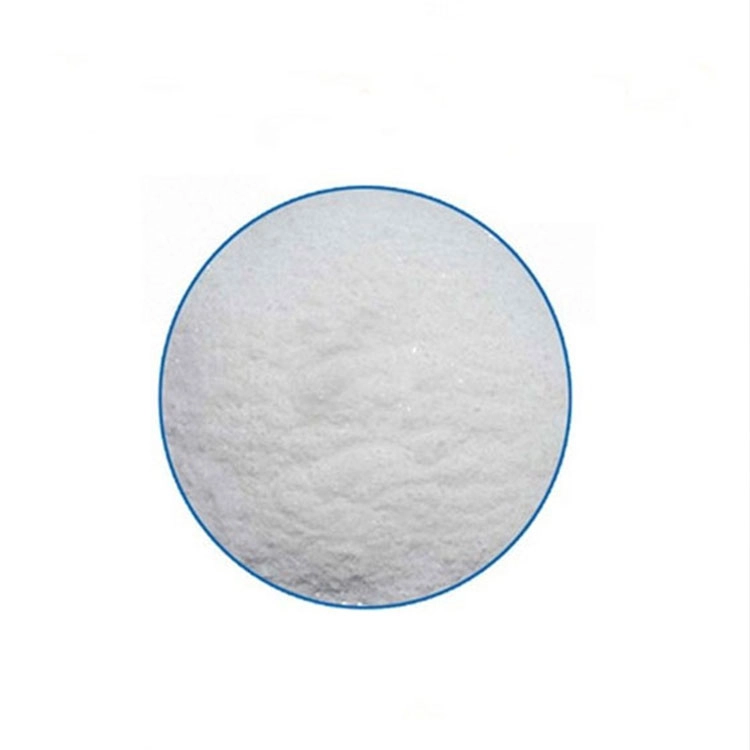
Pure glyphosate is generally supplied as a white, odorless crystalline solid or powder. It has relatively limited water solubility compared with many commercial glyphosate salts. Commercial agricultural products are therefore often formulated using glyphosate salts, such as glyphosate isopropylamine or potassium salt, to improve formulation properties and handling. These salts have different CAS numbers and should not be confused with glyphosate acid, CAS 1071-83-6.
Safety and Storage
Glyphosate should be handled in accordance with the supplier's latest Safety Data Sheet (SDS) and applicable pesticide regulations. The hazard profile of pure glyphosate acid may differ from that of commercial herbicide formulations, which can contain glyphosate salts, surfactants and other formulation ingredients. Therefore, the safety classification of the complete product must be checked rather than assumed from the active ingredient alone.
Avoid generating or inhaling dust when handling the solid material. Wear suitable chemical-resistant gloves, protective clothing and safety goggles. Use appropriate ventilation and dust-control measures during weighing, transferring and packaging. Avoid direct contact with skin and eyes, and wash hands thoroughly after handling. Do not eat, drink or smoke in handling areas.
In case of eye contact, rinse cautiously with clean water for several minutes and seek medical advice if irritation persists. For skin contact, remove contaminated clothing and wash the affected area with soap and water. If inhaled, move the affected person to fresh air. If swallowed, follow the SDS first-aid instructions and contact a medical professional or poison control center.
Glyphosate Chemical Properties
pka
1.22±0.10(Predicted)
form
solid
Odor
odorless
Water Solubility
1.2 g/100 mL
Decomposition
230 ºC
Merck
13,4525
BRN
2045054
Stability:
Stable. Incompatible with metals, strong oxidizing agents, strong bases. May be light sensitive.
InChIKey
XDDAORKBJWWYJS-UHFFFAOYSA-N
LogP
-2.360 (est)
CAS DataBase Reference
1071-83-6(CAS DataBase Reference)
IARC
2A (Vol. 112) 2017
EPA Substance Registry System
Glyphosate (1071-83-6)
Safety Information
Hazard Codes | Xi,N,Xn |
Risk Statements | 41-51/53-62-37/38-36/37/38-36-22 |
Safety Statements | 26-39-61-2-37-36 |
RIDADR | UN 3077 9/PG 3 |
WGK Germany | 2 |
RTECS | MC1075000 |
HS Code | 29319090 |
Hazardous Substances Data | 1071-83-6(Hazardous Substances Data) |
Toxicity | LD50 in rats, mice (mg/kg): 4873, 1568 orally (Bababunmi) |


