
Polyethylene Glycol Chemical Properties
Melting point | 64-66 °C |
Boiling point | >250°C |
density | 1.27 g/mL at 25 °C |
vapor density | >1 (vs air) |
vapor pressure | <0.01 mm Hg ( 20 °C) |
refractive index | n20/D 1.469 |
Fp | 270 °C |
storage temp. | 2-8°C |
solubility | H2O: 50 mg/mL, clear, colorless |
form | |
Specific Gravity | 1.128 |
color | White to very pale yellow |
PH | 5.5-7.0 (25℃, 50mg/mL in H2O) |
Water Solubility | Soluble in water. |
Sensitive | Hygroscopic |
λmax | λ: 260 nm Amax: 0.6 |
Merck | 14,7568 |
Stability: | Stable. Incompatible with strong oxidizing agents. |
LogP | -0.698 at 25℃ |
NIST Chemistry Reference | Polyethylene glycol(25322-68-3) |
EPA Substance Registry System | Polyethylene glycol (25322-68-3) |
Safety Information
Hazard Codes | Xi,T |
Risk Statements | 36/38-52/53-33-23/24/25 |
Safety Statements | 26-36-24/25-61-45-36/37 |
WGK Germany | 3 |
RTECS | TQ4110000 |
F | 3-9 |
Autoignition Temperature | 581 °F |
Hazard Note | Harmful |
TSCA | Yes |
HS Code | 39072011 |
Hazardous Substances Data | 25322-68-3(Hazardous Substances Data) |
Toxicity | LD50 orally in Rabbit: 28000 mg/kg LD50 dermal Rabbit > 20000 mg/kg |
Product Description
Polyethylene Glycol (PEG) is a polymer composed of repeating ethylene oxide units, with the general structure HO–(CH₂CH₂O)ₙ–H. It is available in a wide range of molecular weights, resulting in different physical properties, including liquid, semisolid, and solid forms.
PEG is widely used in industrial formulations, cosmetics, personal care products, and pharmaceutical applications when the grade meets the relevant quality and regulatory requirements. Its performance depends on molecular weight, purity, and formulation conditions.
Product Name: Polyethylene Glycol (PEG)
CAS Number: 25322-68-3
Chemical Category: Polyether Polymer
General Structure: HO–(CH₂CH₂O)ₙ–H
Appearance: Clear liquid, waxy solid, or flakes, depending on molecular weight and grade
Solubility: Generally highly soluble in water; properties vary by molecular weight
Common Grades: PEG 200, PEG 300, PEG 400, PEG 600, PEG 1500, PEG 4000, PEG 6000, and others
Main Functions: Solvent, carrier, lubricant, humectant, and processing aid
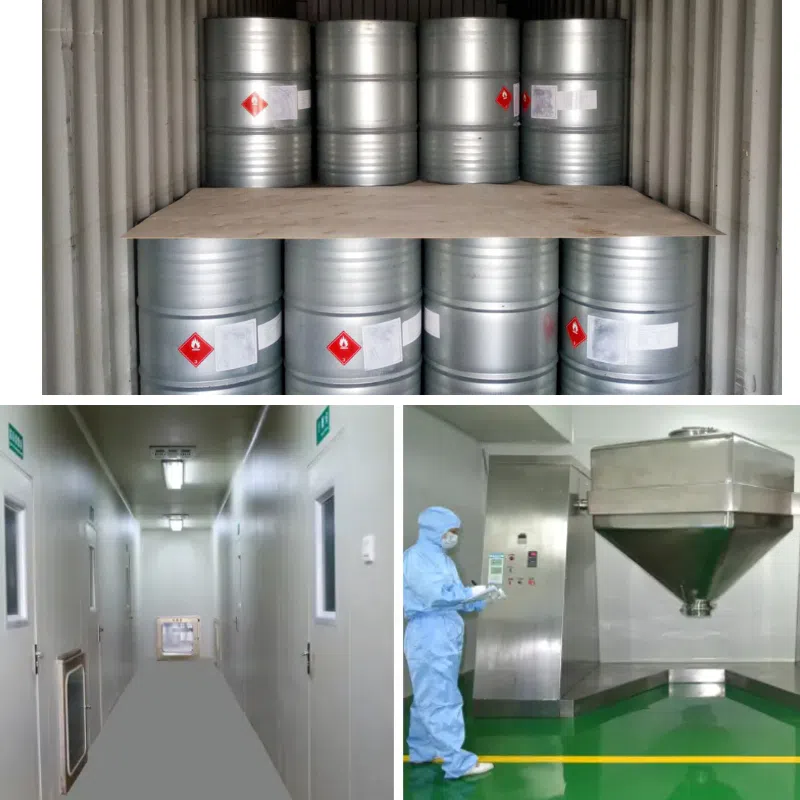
Safety and Storage
Store in a tightly closed container in a clean, dry, well-ventilated area.
Protect from contamination and excessive heat.
Avoid contact with eyes and prolonged contact with skin.
Use appropriate protective gloves and eye protection when handling bulk material.
Follow the product-specific SDS for handling, first aid, spill response, and disposal.
For pharmaceutical, cosmetic, or food-related uses, select a grade specifically approved or suitable for the intended application.
Follow applicable local regulations for storage, transport, and use.


