Product Introduction
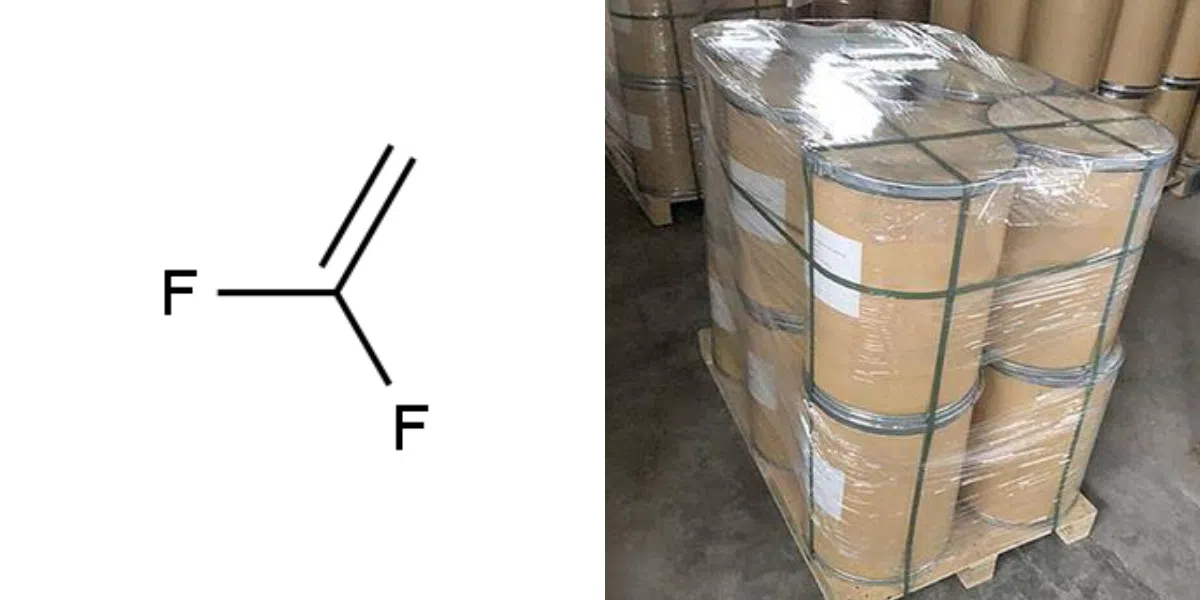
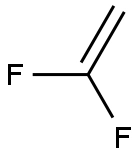
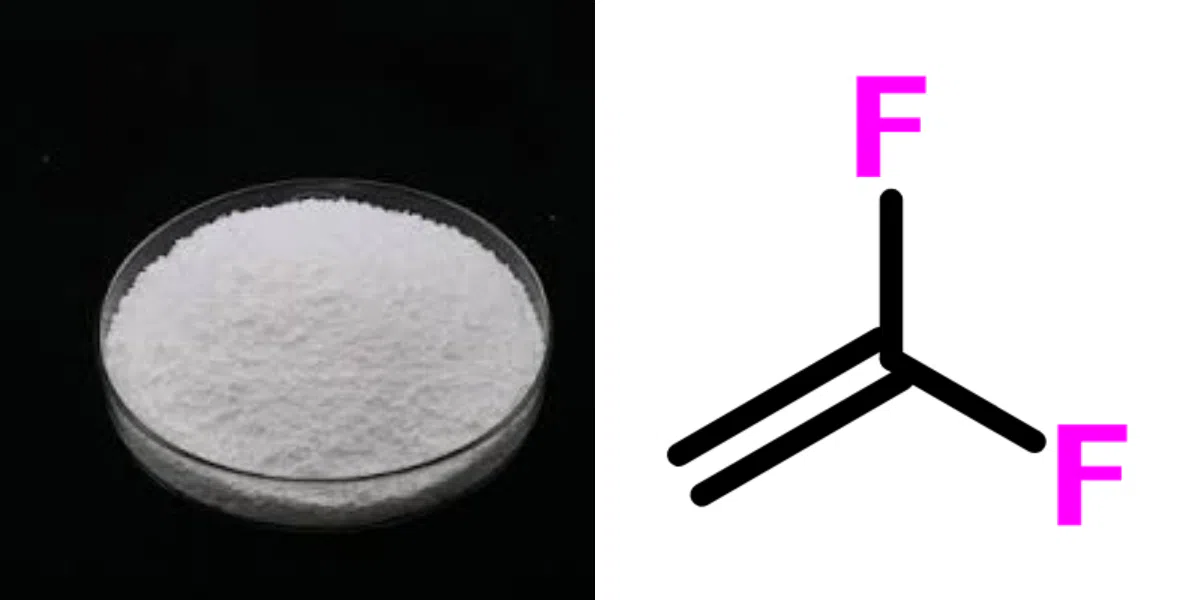
Polyvinylidene fluoride (PVDF) is a high-performance thermoplastic fluoropolymer renowned for its outstanding chemical resistance, mechanical toughness and exceptional weatherability. As a versatile engineering material, PVDF serves across lithium battery binders, protective coatings, chemical processing equipment, semiconductor components, membranes and wire insulation. Our PVDF CAS 24937-79-9 is manufactured under tight process control and delivered in multiple grades — powder for battery binder application, resin pellets for injection and extrusion, and coating grade for architectural and industrial finishes. Each lot ships with a Certificate of Analysis, MSDS and TDS, giving buyers full confidence in purity, consistency and traceability when sourcing this critical polymer.
Technical Parameters
| Item | Specification |
|---|---|
| CAS No. | 24937-79-9 |
| Chemical Name | Poly(vinylidene fluoride) |
| Appearance | White to off-white powder / translucent pellets |
| Density | approx. 1.75 – 1.80 g/cm³ |
| Melting Point | approx. 165 – 178 °C |
| Purity / Filler | ≥ 99% polymer content, low impurities |
| Moisture | ≤ 0.3% |
| Viscosity / MFI | grade-dependent (binder, coating, extrusion) |
| Tensile Strength | typically 35 – 55 MPa by grade |
| Forms | Powder, granules, pellets |
| Packing | 25kg bags / drums, custom available |
| Grades | Battery binder, coating, extrusion, membrane |
Fields of Application
PVDF demonstrates remarkable versatility across industries. In energy storage, it serves as the primary binder for lithium-ion battery electrodes, providing strong adhesion and electrochemical stability. In the coatings sector, PVDF resin forms durable architectural and coil finishes that withstand decades of harsh weather. In chemical processing, the polymer is fabricated into pipes, valves, fittings, linings and storage vessels that resist aggressive media. Semiconductor fabrication relies on PVDF for ultra-pure fluid handling components. It also appears in filtration membranes, photovoltaic backsheets, cable insulation and sensors, underscoring its status as a material of broad industrial value.