
Product Overview
Terbinafine is a synthetic allylamine compound widely recognized for its antifungal properties. Its chemical name is (E)-N,6,6-trimethyl-N-(naphthalen-1-ylmethyl)hept-2-en-4-yn-1-amine. The compound has a molecular formula of C₂₁H₂₅N and a molecular weight of 291.43 g/mol.
Its principal mechanism of action involves the inhibition of squalene epoxidase, an enzyme responsible for an important step in fungal sterol biosynthesis. Inhibition of this enzyme disrupts ergosterol production and leads to the accumulation of squalene within fungal cells. Ergosterol is an essential component of fungal cell membranes, making this pathway an important target in antifungal research.
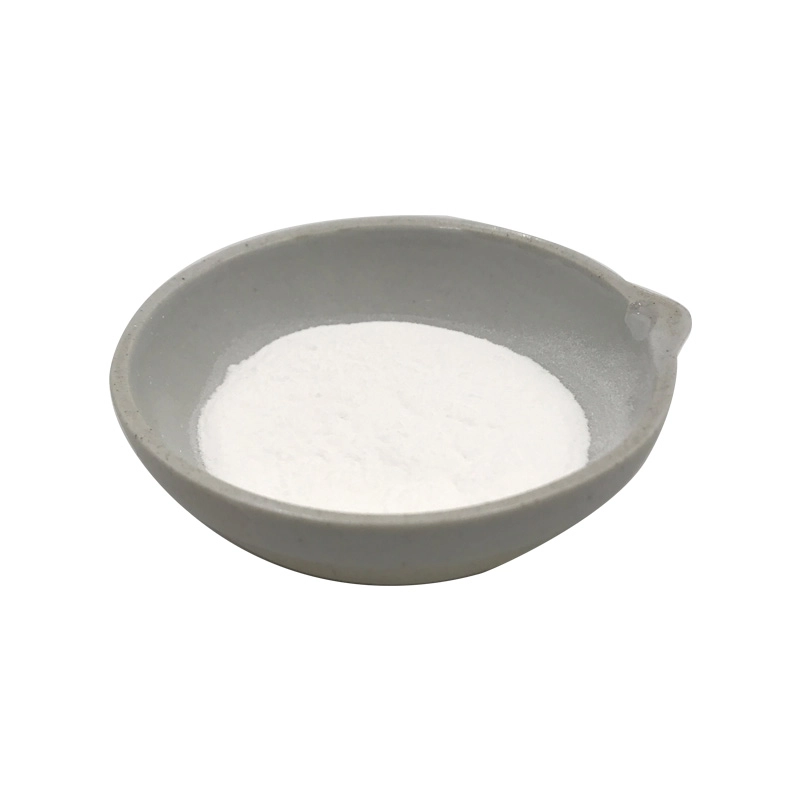
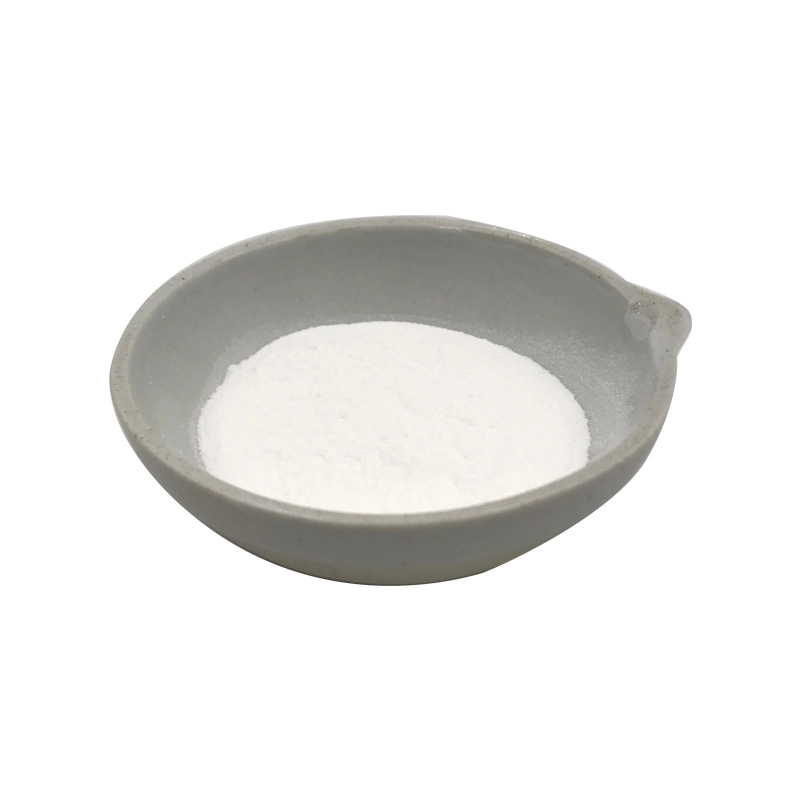
Terbinafine is commonly supplied as a white to light-yellow powder or crystalline solid. It is a lipophilic compound and has limited water solubility. Commercial specifications may include identification, assay, related substances, residual solvents, and other quality-control parameters.
Terbinafine Chemical Properties
Melting point | 203-205 °C |
Boiling point | 417.9±33.0 °C(Predicted) |
density | 1.007±0.06 g/cm3(Predicted) |
vapor pressure | 0Pa at 25℃ |
storage temp. | 2-8°C |
solubility | soluble in Methanol |
form | powder to crystal |
pka | 6.92±0.50(Predicted) |
color | White to Light yellow |
LogP | 3.3 at 37℃ and pH7 |
CAS DataBase Reference | 91161-71-6(CAS DataBase Reference) |
Safety Information
Hazard Codes | Xi |
Risk Statements | 36/37/38 |
Safety Statements | 26-36 |
HS Code | 2921450090 |
Main Applications
Pharmaceutical Research: Used in research involving antifungal active compounds.
Antifungal Drug Development: Relevant to the development and evaluation of antifungal formulations.
Enzyme Inhibition Studies: Used in studies involving squalene epoxidase inhibition.
Fungal Sterol Research: Applied in investigations of fungal sterol biosynthesis.
Analytical Research: Used for chemical identification, HPLC analysis, and reference testing.
Pharmaceutical Quality Control: Supports identity, purity, and related-substance evaluation.
Drug Formulation Research: Used in laboratory studies of antifungal formulation properties.
Medicinal Chemistry: Serves as a reference compound in antifungal compound research.


