Products Description
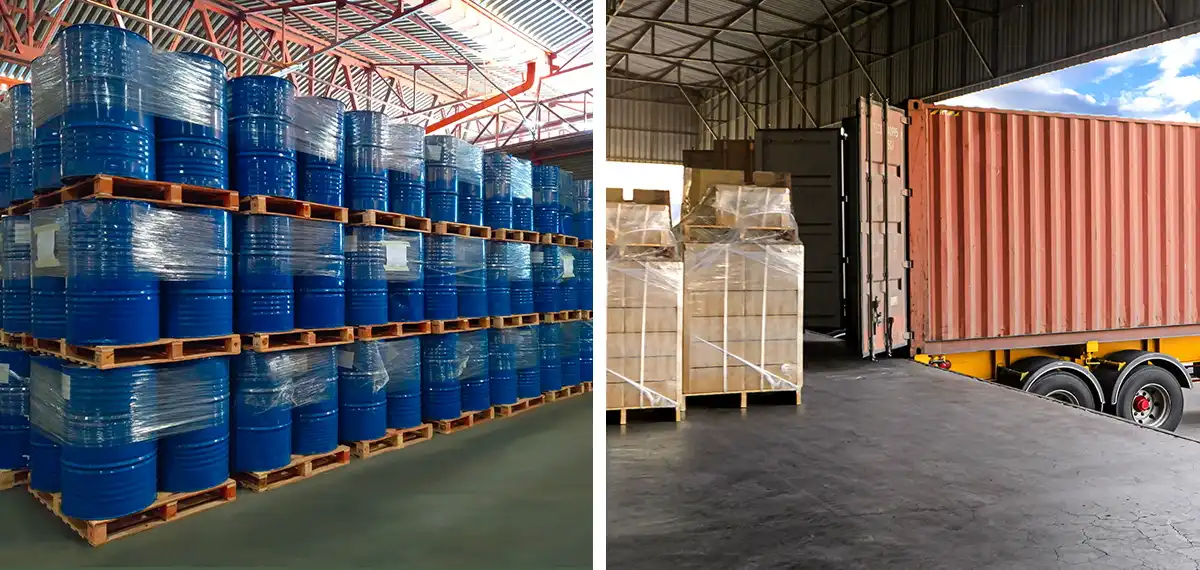
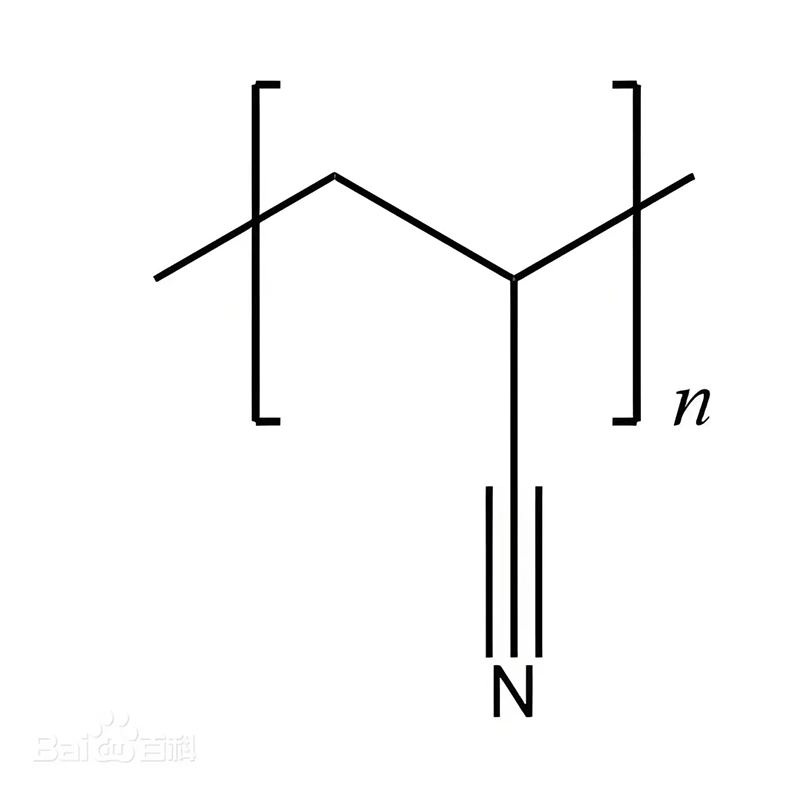
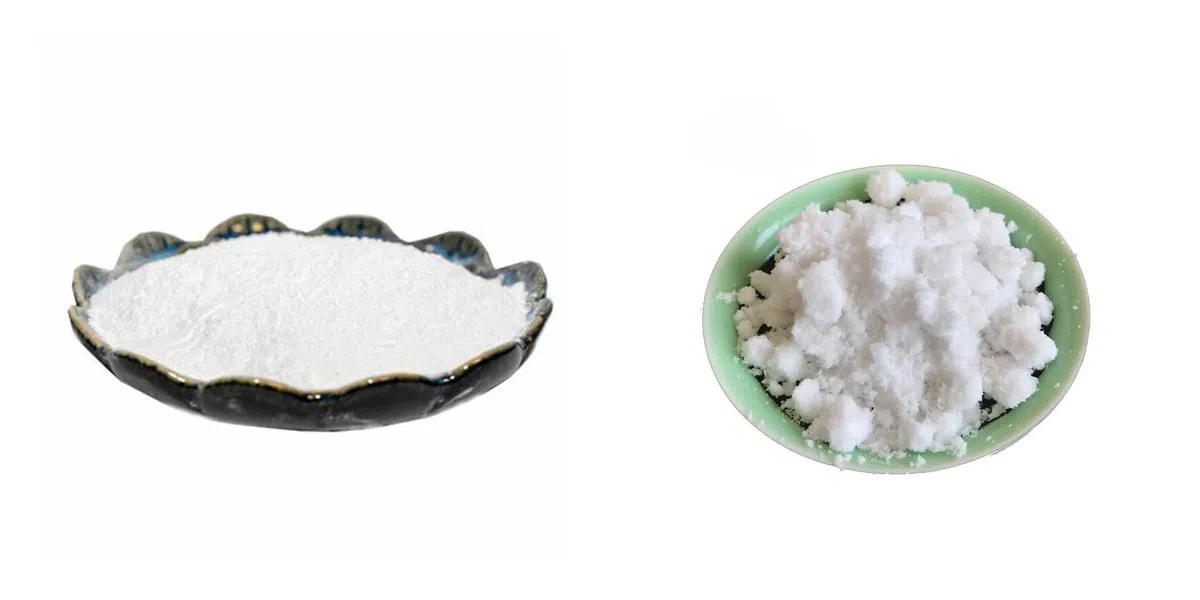
Polyacrylonitrile (PAN, CAS:25014-41-9) is a high molecular polymer polymerized from acrylonitrile, appearing as white powder. It is the dominant precursor raw material for carbon fiber worldwide, accounting for over 90% of the market. It features stable molecular structure, high carbon conversion rate and good thermal stability, avoiding melting and fracture during pre-oxidation and carbonization. With high purity, low impurities and low ash content, it delivers outstanding spinnability for large-scale spinning production. It also boasts remarkable chemical corrosion resistance, UV resistance and aging resistance, compatible with DMF, DMAC and other polar solvents. As non-dangerous chemical, it is convenient for storage and transportation. We supply PAN steadily to carbon fiber manufacturers, membrane material factories and new material research institutes. COA is available, and customized specifications are supported to meet strict requirements from new energy, environmental filtration and high-end composite industries.
Chemical Properties
| Melting point | 317 °C |
| Tg | 125 |
| density | 1.184 g/mL at 25 °C (lit.) |
| refractive index | n20/D 1.514 |
| storage temp. | Sealed in dry,Room Temperature |
| solubility | DMF (Slightly) |
| form | Solid |
| color | White to Off-White |
| Stability: | Stable. Incompatible with strong oxidizing agents. |
| InChI | InChI=1S/C3H3N/c1-2-3-4/h2H,1H2 |
| InChIKey | NLHHRLWOUZZQLW-UHFFFAOYSA-N |
| SMILES | C(#N)C=C |
| EPA Substance Registry System | Polyacrylonitrile (25014-41-9) |
Safety Information
| Safety Statements | 24/25 |
| WGK Germany | 3 |
| RTECS | AT6977900 |
| TSCA | TSCA listed |
| HS Code | 39069090 |
| Hazardous Substances Data | 25014-41-9(Hazardous Substances Data) |
| Toxicity | rat,LC,inhalation,> 25gm/m3 (25000mg/m3),Gigiena Truda i Professional'nye Zabolevaniya. Labor Hygiene and Occupational Diseases. Vol. 6(6), Pg. 54, 1962. |
Product Application
The primary application of polyacrylonitrile is carbon fiber precursor. After pre-oxidation and carbonization, it produces high-strength carbon fiber widely used in wind turbine blades, aerospace, automotive lightweighting, pressure vessels and sports equipment. It can be made into hollow fiber ultrafiltration and nanofiltration membranes for water treatment, food purification and pharmaceutical liquid separation. It can be spun into functional acrylic fibers and flame-retardant filter media for industrial dust removal, weather-resistant outdoor fabrics and protective textiles. Electrospun PAN nanofibers serve as battery separators, electrode substrates, adsorption materials and biological scaffolds. It can also be added as reinforcing filler into building materials to improve crack resistance, and applied in gas separation adsorbents and conductive composite substrates. It covers new energy, environmental filtration, high-end equipment, biomedicine and other emerging sectors.