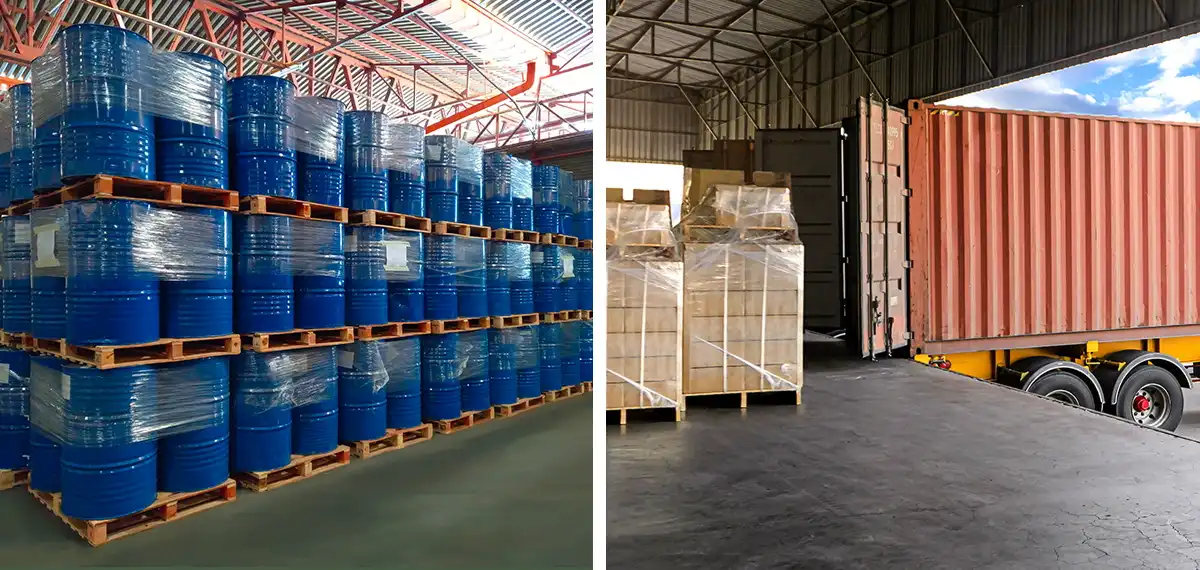
Product Description
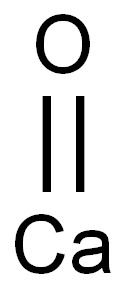
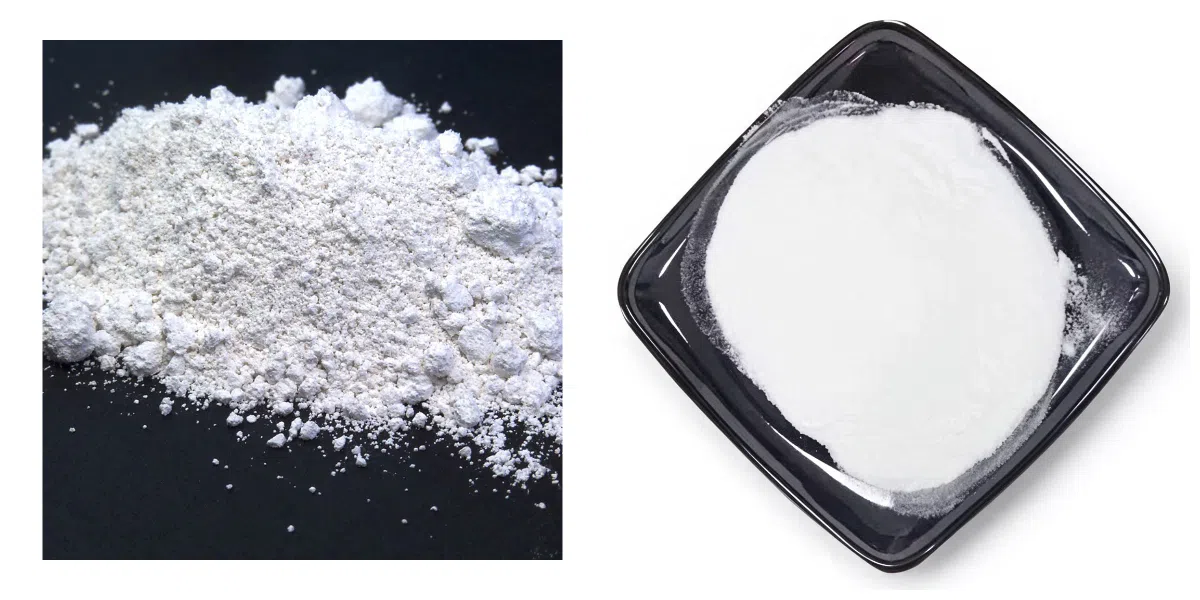
Calcium oxide (CaO, CAS No. 1305-78-8), commonly known as quicklime, burnt lime, or calx, is an important inorganic compound widely used in industrial applications. It is generally produced by calcining calcium carbonate-rich materials, such as limestone and oyster shells, to release carbon dioxide and obtain calcium oxide. Due to its high chemical reactivity, CaO readily reacts with water to form calcium hydroxide and with carbon dioxide to produce calcium carbonate. It is typically supplied as a white or grayish-white solid and is valued for its alkaline properties, thermal stability, and versatility in construction, metallurgy, chemical manufacturing, and environmental treatment.
Chemical Properties
| Melting point | 2570 °C |
| Boiling point | 2850 °C (lit.) |
| Density | 3.3 g/mL at 25 °C (lit.) |
| Bulk density | 800-1200kg/m3 |
| Refractive index | 1.83 |
| Fp | 2850°C |
| Storage temp | no restrictions |
| Solubility | 1.65g/l Risk of violent reaction |
| Form | powder |
| Color | White to yellow-very slightly beige |
| Specific Gravity | 3.3 |
| PH | 12.6 (H2O, 20℃)(saturated solution) |
| Odor | wh. or gray cryst. or powd., odorless |
| Water Solubility | REACTS |
| Sensitive | Air & Moisture Sensitive |
| Crystal Structure | Cubic |
| Crystal system | Cube |
| Merck | 14,1686 |
| Space group | Fm3m |
| Lattice constant | a/nmb/nmc/nmα/oβ/oγ/oV/nm30.47760.47760.47769090900.1089 |
| Dielectric constant | 2.2(Ambient) |
| Exposure limits | ACGIH: TWA 2 mg/m3 OSHA: TWA 5 mg/m3 NIOSH: IDLH 25 mg/m3; TWA 2 mg/m3 |
| Stability | Stability Stable, but absorbs carbon dioxide from the air. Incompatible with water, moisture, fluorine, strong acids. |
| InChIKey | ODINCKMPIJJUCX-UHFFFAOYSA-N |
| CAS DataBase Reference | 1305-78-8(CAS DataBase Reference) |
| NIST Chemistry Reference | Calcium monoxide(1305-78-8) |
| EPA Substance Registry System | Calcium oxide (1305-78-8 |
Product Usage
Lime is widely used across various industries, including metallurgy, flue gas desulfurization, construction, mining, papermaking, and water treatment. In the metallurgical industry, calcium oxide serves as a flux during iron ore smelting and refining, helping remove impurities from the raw materials. It reacts with acidic components, such as silicates, phosphates, and sulfates, to form slag, which can be separated from the molten metal. This process helps improve metal purity and supports efficient smelting operations. In addition, lime is used to neutralize acidic wastewater, treat industrial emissions, stabilize construction materials, and support various chemical processing operations.