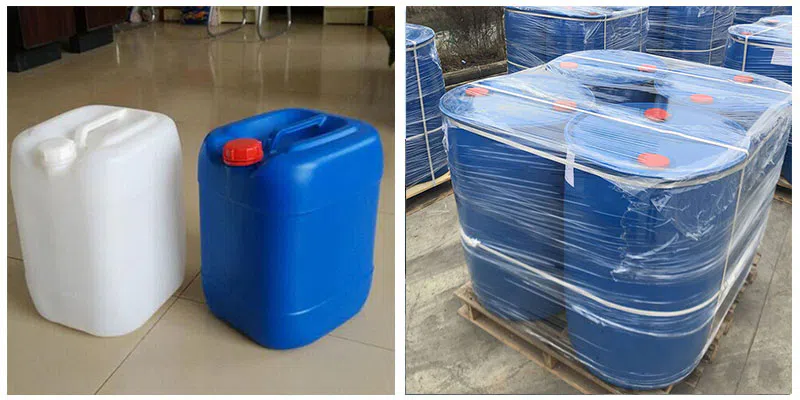
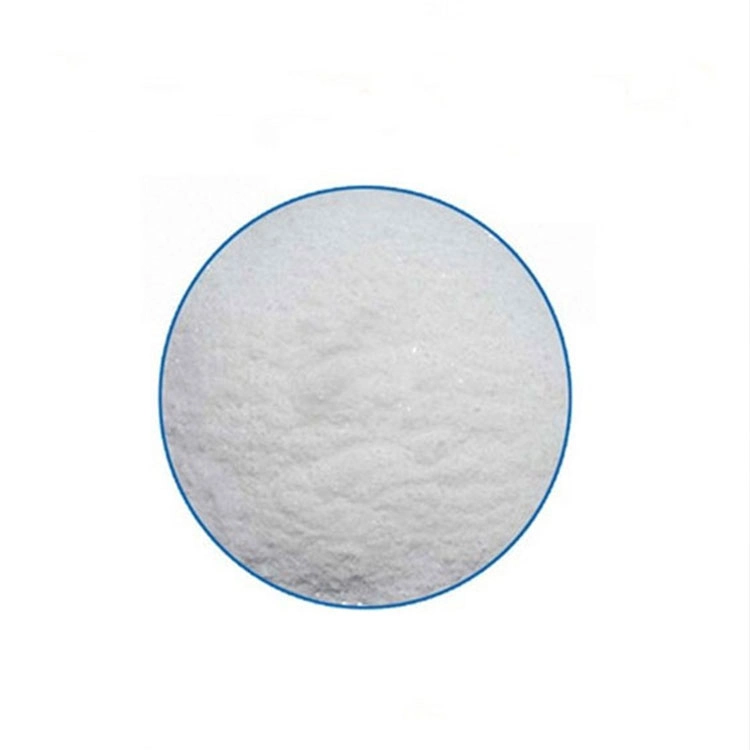
Dextrose CAS No. 50-99-7
Dextrose, also known as D-(+)-glucose, is a biologically active monosaccharide that serves as a primary energy source for living organisms through cellular metabolism and ATP production. Its molecular structure can adopt either an open-chain configuration or a cyclic form, with the cyclic structure occurring as α- and β-anomers. Dextrose occurs naturally in fruits and various plant tissues and is also produced in animals through the breakdown of stored glycogen. Commercially, it is commonly manufactured by the enzymatic hydrolysis of starch derived from sources such as corn, wheat, or other starch-rich crops. In laboratory applications, D-(+)-glucose is used as a reference material for sugar analysis, including the determination of total sugars in hydrolyzed starch using the phenol-sulfuric acid method. It also serves as a carbon and energy source in culture media for yeast and other microorganisms. Additionally, dextrose is widely utilized in food processing, nutritional formulations, and pharmaceutical preparations intended for fluid and energy replenishment, with its specific applications depending on the product grade and formulation requirements.
| Melting point | 150-152 °C(lit.) |
| alpha | 52.75 º (c=10, H2O, NH4OH 25 ºC) |
| Boiling point | 232.96°C (rough estimate) |
| density | 1.5440 |
| bulk density | 630kg/m3 |
| refractive index | 53 ° (C=10, H2O) |
| storage temp. | room temp |
| solubility | H2O: 1 M at 20 °C, clear, colorless |
| pka | pKa 12.43(H2O,t = 18,)(Approximate) |
| form | Crystalline Powder |
| color | White |
| PH | 5.0-7.0 (25℃, 1M in H2O) |
| Odor | Odorless |
| PH Range | 5.9 |
| biological source | wheat |
| Optical Rotation | [α]25/D +52.5 to +53.0°(lit.) |
| Water Solubility | Soluble |
| λmax | λ: 260 nm Amax: 0.03 λ: 280 nm Amax: 0.02 |
| Merck | 14,4459 |
| BRN | 1281608 |
| Henry's Law Constant | 7.8×10⁸ mol/(m3Pa) at 25℃, Qin et al. (2021) |
| Stability: | Stable. Substances to be avoided include strong oxidizing agents. Combustible. |
| Cosmetics Ingredients Functions | HUMECTANT |
| InChI | 1S/C6H12O6/c7-1-2-3(8)4(9)5(10)6(11)12-2/h2-11H,1H2/t2-,3-,4+,5-,6+/m1/s1 |
| InChIKey | WQZGKKKJIJFFOK-DVKNGEFBSA-N |
| SMILES | OC[C@H]1O[C@H](O)[C@H](O)[C@@H](O)[C@@H]1O |
| LogP | -2.490 (est) |
| CAS DataBase Reference | 50-99-7(CAS DataBase Reference) |
| NIST Chemistry Reference | Glucose(50-99-7) |
| EPA Substance Registry System | Dextrose (50-99-7) |
| Hazard Codes | Xi,Xn |
| Risk Statements | 36/37/38-63-62-46-36/38-21 |
| Safety Statements | 26-36/37-24/25-53-25 |
| WGK Germany | 1 |
| RTECS | LZ6600000 |
| F | 3 |
| Autoignition Temperature | 500 °C |
| TSCA | TSCA listed |
| HS Code | 17023051 |
| Storage Class | 11 - Combustible Solids |
| Hazardous Substances Data | 50-99-7(Hazardous Substances Data) |
| Toxicity | LD50 orally in Rabbit: 25800 mg/kg |
Dextrose plays a fundamental role in cellular metabolism, serving as a readily available energy source for a wide variety of living organisms. During digestion, carbohydrates such as starch and complex sugars are converted into simpler sugars, including glucose, which is absorbed through the small intestine and transported via the bloodstream to tissues throughout the body. At the cellular level, glucose is primarily metabolized through glycolysis, a biochemical pathway that converts glucose into pyruvate while generating energy and metabolic intermediates. Under aerobic conditions in animals, pyruvate can enter further oxidation pathways, ultimately producing carbon dioxide and water. When oxygen availability is limited, certain animal tissues convert pyruvate into lactate, whereas yeast and some other microorganisms can transform it into ethanol and carbon dioxide through fermentation. These metabolic processes make dextrose an important substrate in food production, fermentation technology, microbial cultivation, and biochemical research. In addition to supporting energy generation, intermediates formed during glucose metabolism contribute to the biosynthesis of various cellular components and other essential biomolecules.
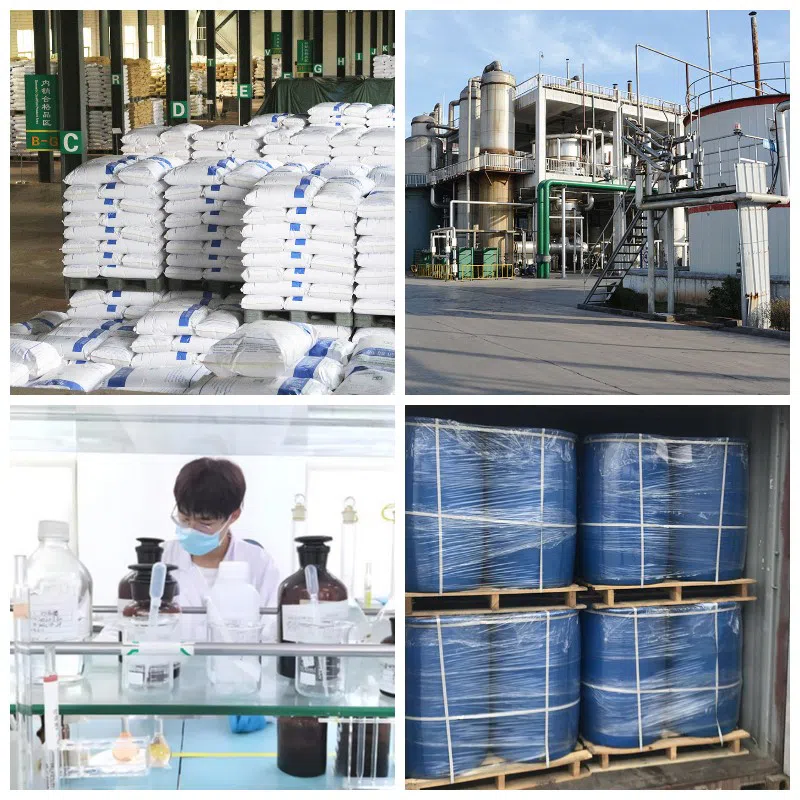
Inventor1750659894264274.webpy 2-3 working days New production 7-10 working days