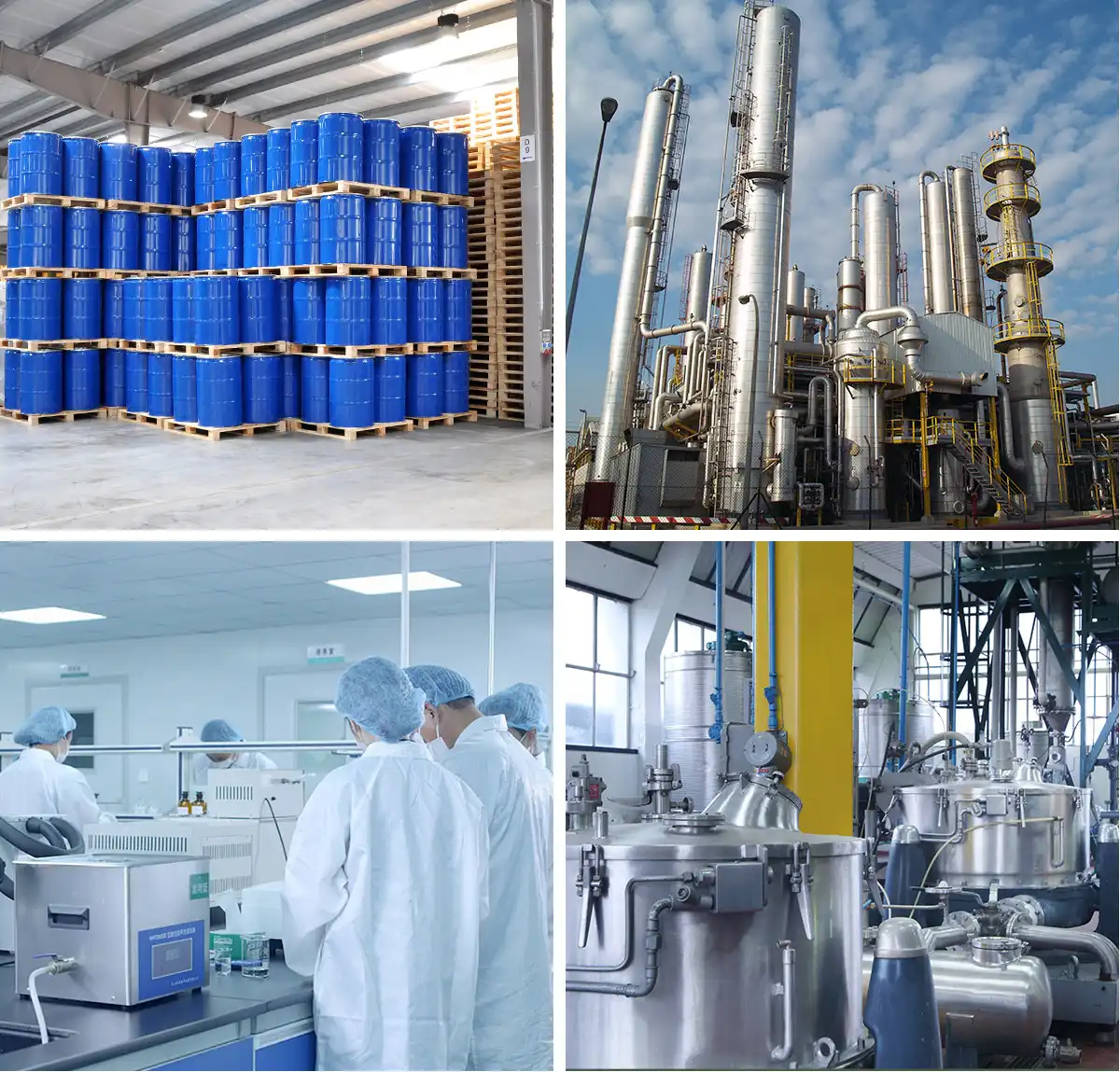
Product Description
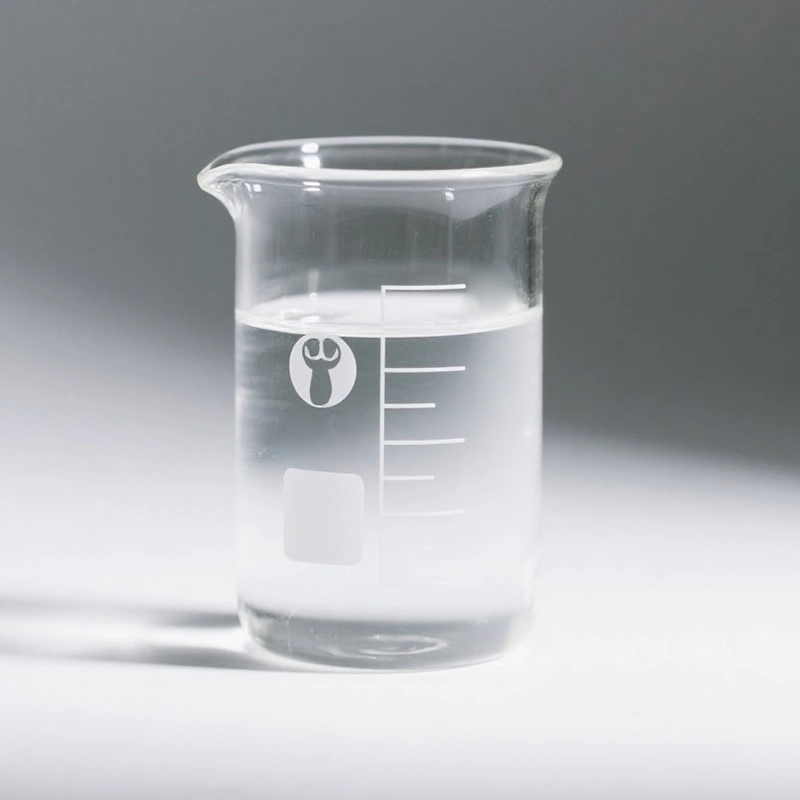
Methanol, also known as wood alcohol, is the simplest saturated monohydric alcohol. It is a colorless, transparent, volatile, and highly flammable liquid with significant toxicity. Even small amounts can cause severe poisoning, including blindness, while excessive exposure may be fatal. Methanol has a relative density of 0.792, a melting point of -97.8°C, and a boiling point of 64.5°C. Its flash point is 12.22°C, and its autoignition temperature is 463.89°C.
Methanol is miscible with water, ethanol, ether, benzene, ketones, and many other organic solvents. It is generally non-corrosive to most metals at room temperature, although it may react with certain metals, such as lead and aluminum. Due to its favorable solvent properties and low boiling point, methanol is widely used as an industrial solvent, antifreeze, fuel, and chemical intermediate. It is also applied in various chemical manufacturing processes.
Chemical Properties
| Melting point | -98 °C(lit.) |
| Boiling point | 65.4 °C(lit.) |
| density | 0.791 g/mL at 25 °C |
| vapor density | 1.11 (vs air) |
| vapor pressure | 410 mm Hg ( 50 °C) |
| refractive index | n20/D 1.329(lit.) |
| Fp | 52 °F |
| storage temp. | 2-8°C |
| solubility | benzene: miscible(lit.) |
| pka | 15.2(at 25℃) |
| form | Liquid Free From Particulates |
| color | <10(APHA) |
| Specific Gravity | 0.793 (20/20℃) |
| Relative polarity | 0.762 |
| Odor | Faint alcohol odor detectable at 4 to 6000 ppm (mean = 160 ppm) |
| PH | 6.8 (20°C in H2O) |
| Flame Color | Pale blue |
| Odor Threshold | 33ppm |
| explosive limit | 5.5-44%(V) |
| Water Solubility | miscible |
| λmax | λ: 210 nm Amax: 0.50 λ: 220 nm Amax: 0.30 λ: 230 nm Amax: 0.15 λ: 235 nm Amax: 0.10 λ: 240 nm Amax: 0.05 λ: 260 nm Amax: 0.01 λ: 400 nm Amax: 0.01 |
| Merck | 14,5957 |
| BRN | 1098229 |
| Henry's Law Constant | 4.99 at 25 °C (headspace-GC, Gupta et al., 2000) |
| Exposure limits | TLV-TWA (200 ppm) (ACGIH), 260mg/m3, 1040mg/m3 (800 ppm) 15minutes (NIOSH); STEL 310mg/m3 (250 ppm); IDLH 25,000 ppm (NIOSH). |
| Dielectric constant | 33.6(20℃) |
| LogP | -0.770 |
| Surface tension | 22.22mN/m at 298.15K |
| Surface tension | 22.7mN/m at 20°C |
| CAS DataBase Reference | 67-56-1(CAS DataBase Reference) |
| NIST Chemistry Reference | Methyl alcohol(67-56-1) |
| EPA Substance Registry System | Methanol (67-56-1) |
| Absorption | in accordance |
Safety Information
| Hazard Codes | Xn,T,F |
| Risk Statements | 10-20/21/22-68/20/21/22-39/23/24/25-23/24/25-11-40-36-36/38-23/25 |
| Safety Statements | 36/37-7-45-16-24/25-23-24-26 |
| RIDADR | UN 1170 3/PG 2 |
| OEB | A |
| OEL | TWA: 200 ppm (260 mg/m3), STEL: 250 ppm (325 mg/m3) [skin] |
| WGK Germany | 1 |
| RTECS | PC1400000 |
| F | 3-10 |
| Autoignition Temperature | 385 °C |
| TSCA | Yes |
| HS Code | 2905 11 00 |
| HazardClass | 3 |
| PackingGroup | II |
| Hazardous Substances Data | 67-56-1(Hazardous Substances Data) |
| Toxicity | LD50 oral (rat) 5628 mg/kg LD50 skin (rabbit) 15,840 mg/kg LC50 inhal (rat) >145,000 ppm (1 h) PEL (OSHA) 200 ppm (260 mg/m3) TLV-TWA (ACGIH) 200 ppm (260 mg/m3)—skin STEL (ACGIH) 250 ppm (328 mg/m3) |
| IDLA | 6,000 ppm |
Product Application
Methanol is an important industrial raw material and alternative fuel. It is widely used in the chemical and plastics industries to manufacture formaldehyde, acetic acid, methyl chloride, methylamine, and dimethyl sulfate. It is also involved in the production of pharmaceuticals and pesticides. Furthermore, methanol can be processed into cleaner fuels or blended with gasoline for use in engines.
Methanol readily undergoes esterification with acids and dehydration reactions to produce various chemical compounds. Under suitable conditions, it can form dimethyl ether through dehydration using acidic substances or metal oxide catalysts. It also serves as a solvent for certain metal halides and organic acid salts. In addition, methanol is an important precursor in the production of formaldehyde, formic acid, and various organic and inorganic acid esters.