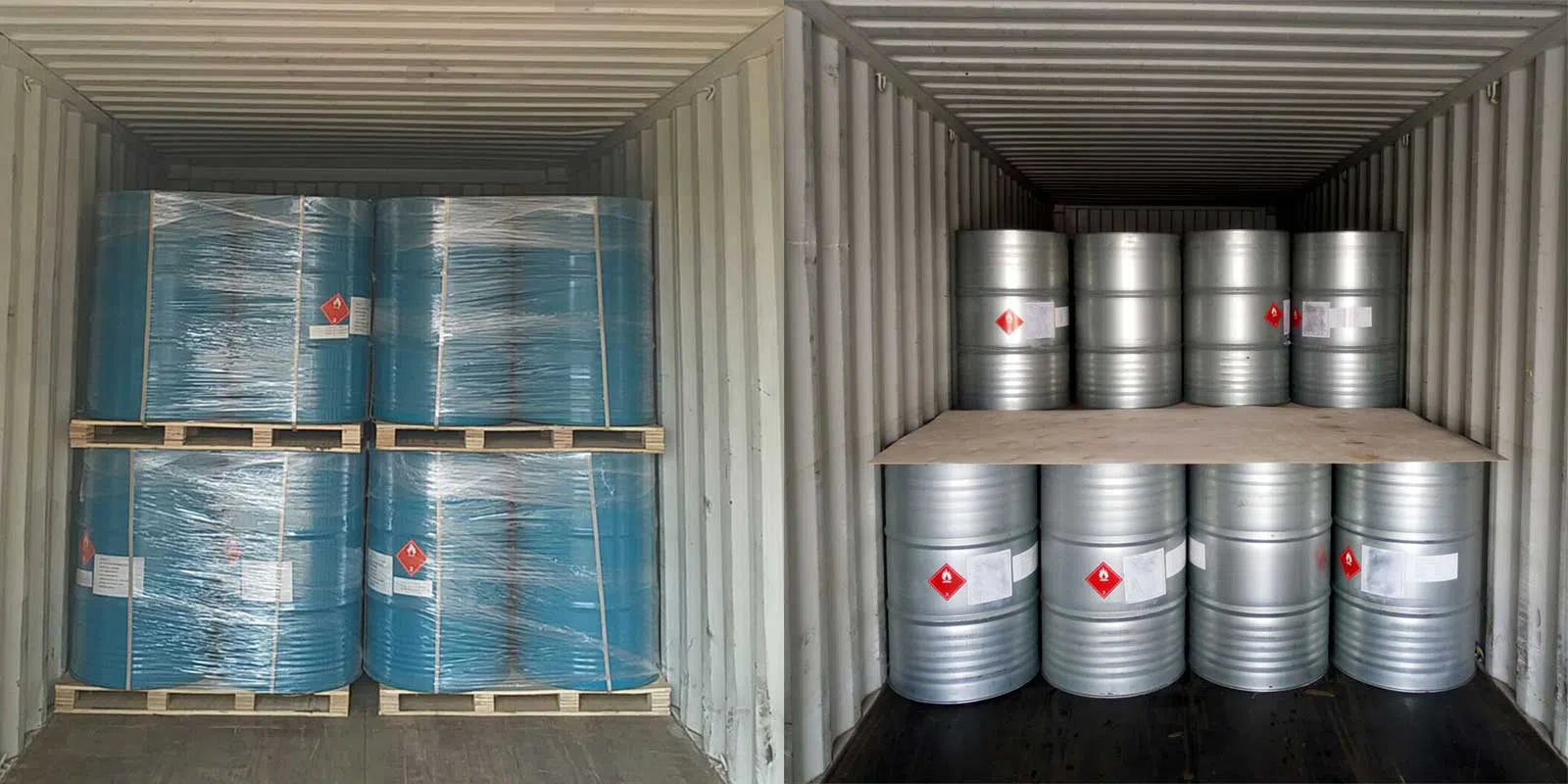
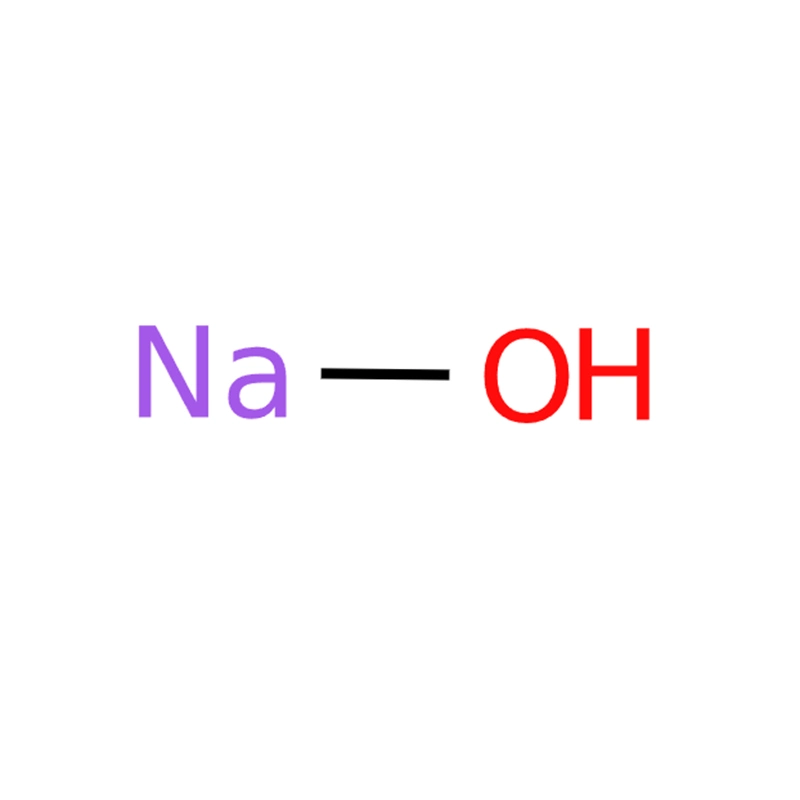
Product Description
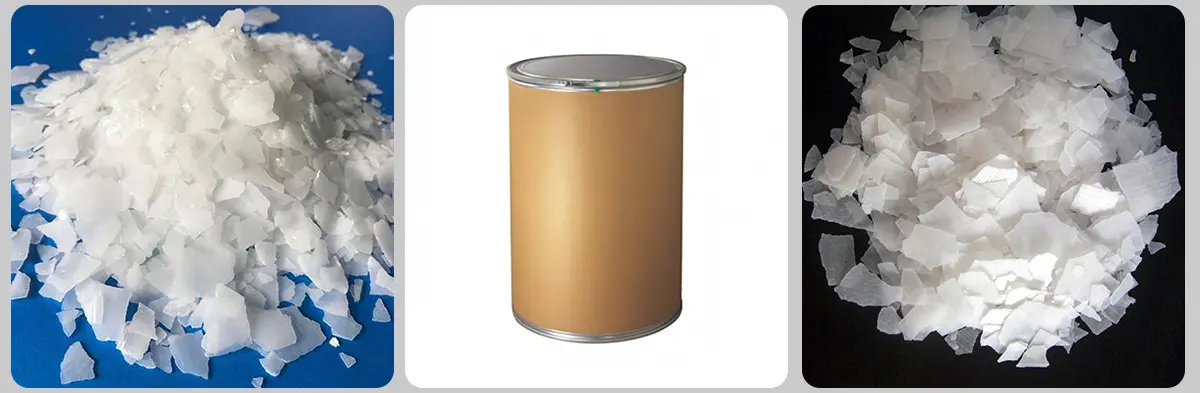
Sodium hydroxide (caustic soda, formula NaOH) is a highly corrosive strong alkali, commonly supplied as white flakes or pearls. It dissolves rapidly in water to form alkaline solutions and is soluble in methanol and ethanol. It is deliquescent: it absorbs moisture and acidic gases such as carbon dioxide from air. As one of the most widely consumed industrial chemicals, it is vital for pulp, textile, soap and detergent manufacturing, and also used in alkaline drain cleaners.
Chemical Properties
| Melting point | 681 °C(lit.) |
| Boiling point | 1390°C |
| density | 1.515 g/mL at 20 °C |
| vapor density | <1 (vs air) |
| vapor pressure | 1 mm Hg ( 745 °C) |
| refractive index | 1,473-1,475 |
| Fp | 176-178°C |
| storage temp. | room temp |
| solubility | H2O: 1 M at 20 °C, clear, colorless |
| form | beads |
| color | White |
| Specific Gravity | 2.13 |
| Odor | Odorless |
| PH Range | 13 - 14 |
| PH | 10.98(1 mM solution);11.95(10 mM solution);12.88(100 mM solution); |
| Water Solubility | SOLUBLE |
| Sensitive | Air Sensitive & Hygroscopic |
| Decomposition | 176-178 ºC |
| λmax | λ: 260 nm Amax: 0.015 |
| λ: 280 nm Amax: 0.01 | |
| Merck | 148,627 |
| Dielectric constant | 57.5(25℃) |
| Exposure limits | TLV-TWA air 2 mg/m3 (OSHA); ceiling 2 mg/m3 (ACGIH) and 2 mg/m3/15 min (NIOSH). |
| Stability: | hygroscopic |
| CAS DataBase Reference | 1310-73-2(CAS DataBase Reference) |
| NIST Chemistry Reference | Sodium hydroxide(1310-73-2) |
| EPA Substance Registry System | Sodium hydroxide (1310-73-2) |
Safety Information
| Hazard Codes | C,Xi |
| Risk Statements | 36/38-35-34 |
| Safety Statements | 26-45-37/39-24/25-36/37/39 |
| RIDADR | UN 1824 8/PG 2 |
| WGK Germany | 1 |
| RTECS | TT2975000 |
| F | 8 |
| TSCA | Yes |
| HS Code | 2815 11 00 |
| HazardClass | 8 |
| PackingGroup | II |
| Hazardous Substances Data | 1310-73-2(Hazardous Substances Data) |
| Toxicity | LD orally in rabbits: 500 mg/kg (10% soln) (Fazekas) |
| IDLA | 10 mg/m3 |
Product Application
Sodium hydroxide has a wide range of industrial and laboratory applications. Due to its strong alkalinity and hygroscopic properties, it is commonly used as a chemical reagent and alkaline drying agent. It plays an important role in the chemical industry and is widely consumed in paper manufacturing, aluminum and tungsten processing, viscose fiber production, and soap manufacturing. Other applications include the production of dyes, plastics, pharmaceuticals, organic chemicals, reclaimed rubber, and inorganic salts. It is also used in water treatment, metal processing, and various electrochemical processes.
Different grades of industrial sodium hydroxide are subject to specific quality standards, including GB209-2006 for general industrial use, GB/T11199-89 for ion-exchange membrane products, GB11212-89 for chemical fiber applications, and GB5175-85 for food-grade products.
Sodium hydroxide is commonly known as caustic soda because of its highly corrosive nature. Contact with concentrated solutions can cause severe chemical burns and tissue damage. It can also damage the eyes and respiratory system, while prolonged exposure may lead to serious skin injuries and permanent scarring. Therefore, appropriate protective equipment and careful handling are essential during storage and use.