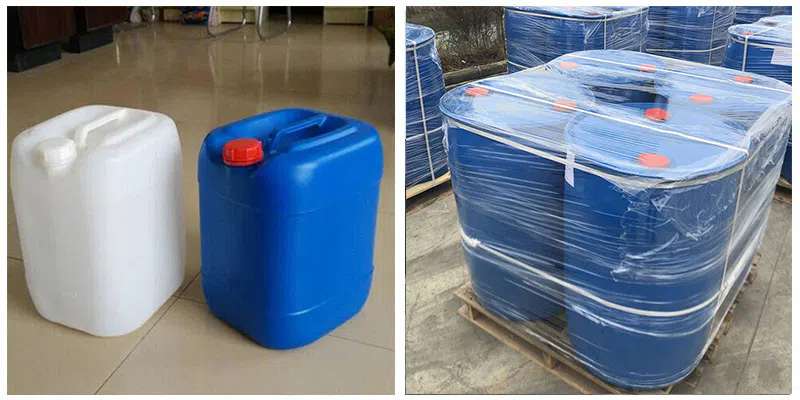

Polypropylene CAS#9003-07-0
Polypropylene: Its strong resistance to microbial growth, along with its capacity to endure repeated sterilization processes, makes it a popular choice for medical packaging, pharmaceutical containers, and a wide range of healthcare-related disposable products.
| Polypropylene Chemical Properties |
| Melting point | 157 °C |
| Boiling point | 120-132 °C |
| density | 0.9 g/mL at 25 °C (lit.) |
| refractive index | n |
| Fp | >470 |
| storage temp. | -20°C |
| form | particles (Spherical) |
| color | red |
| Odor | odorless |
| biological source | human |
| Merck | 13,7663 |
| Dielectric constant | 1.5(Ambient) |
| IARC | 3 (Vol. 19, Sup 7) 1987 |
| NIST Chemistry Reference | Polypropylene, atactic(9003-07-0) |
| EPA Substance Registry System | Polypropylene (9003-07-0) |
Safety Information
| WGK Germany | 3 |
| RTECS | UD1842000 |
| TSCA | Yes |
| HS Code | 39021000 |
| Hazardous Substances Data | 9003-07-0(Hazardous Substances Data) |
| Toxicity | LD50 intraperitoneal in rat: > 110gm/kg |
Applications of Polypropylene CAS#9003-07-0
Polypropylene (PP) is a thermoplastic polymer widely utilized in numerous fields, including packaging, labeling, textiles, and more. Owing to its excellent processability and economical production costs, PP ranks among the most widely manufactured polymers, particularly in the automotive sector. Pure PP exhibits resistance to photo-oxidative and thermal degradation under moderate temperature conditions. Nevertheless, PP remains vulnerable to various external aging factors, including heat, light, and radiation, resulting in a comparatively limited service life. When PP encounters elevated temperatures or irradiation conditions, the tertiary hydrogen atoms within its polymer chains become susceptible to oxygen attacks. It is widely recognized that PP oxidation under outdoor aging conditions is influenced by both light exposure and temperature. PP may also undergo photodegradation, as multiple polymer chains are affected by radiation within the wavelength range of 310–350 nm.
Factory and Equipment Show
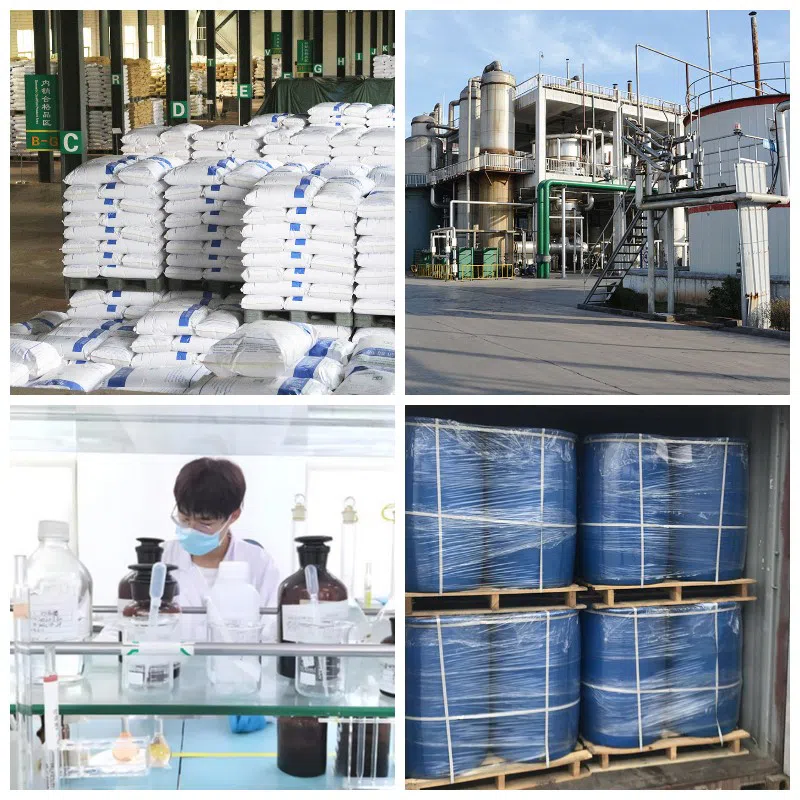
Fast delivery time