Product Description
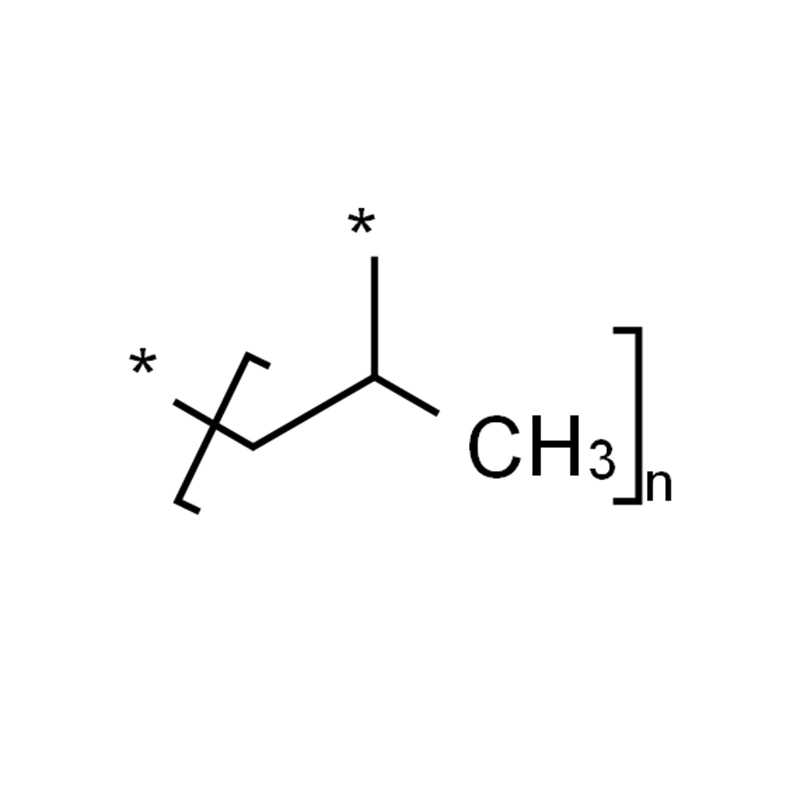
Polypropylene (PP) is a high-molecular polymer formed by polymerizing propylene monomers. Manufacturers rely on five mainstream polymerization processes to produce it: solution, slurry, bulk, gas-phase, and integrated bulk-gas-phase polymerization.
In terms of stereochemical structure, PP is grouped into three types: isotactic, syndiotactic and atactic variants. Isotactic PP is the most widely traded grade, making up more than 90% of total market usage.
Atactic polypropylene finds use in additives, binders and polymeric modifiers. Its thick consistency, favorable flow behavior and outstanding covering ability make it an excellent base material for functional masterbatches. Syndiotactic PP delivers clear transparency, strong toughness and good pliability. On the flip side, its rigidity and hardness are only around half that of isotactic PP. Like EPDM rubber, it can undergo vulcanization to create elastomers with mechanical performance superior to standard rubber.
Its relatively high manufacturing cost prevents large-scale application for the time being. Even so, it has great market potential. It stands out as a fast-growing subcategory of polyolefin products and a novel synthetic resin for high-end material modification.
Chemical Properties
| English Name | Polypropylene |
| English Synonyms | PROPYLENE RESIN;PROPYLENE, ISOTACTIC RESIN;POLYPROPYLENE;POLYPROPYLENE, ATACTIC;POLYPROPY LENE, PSS NANOREINFORCED;POLYPROPYLENE, ISOTACTIC;Polypropylene master batch,flame retarding;Po lypropylene,film grade |
| CAS Number | 9003-07-0 |
| Molecular Formula | C22H4203 |
| Molecular Weight | 42.08 |
| EINECS Number | 202-316-6 |
| Melting point | 157 °C |
| Boiling point | 120-132 °C |
| Density | 0.9 g/mL at 25 °C (lit.) |
| Refractive index | n20/D 1.49 (lit.) |
| Flash point | >470 |
| Storage conditions | -20°C |
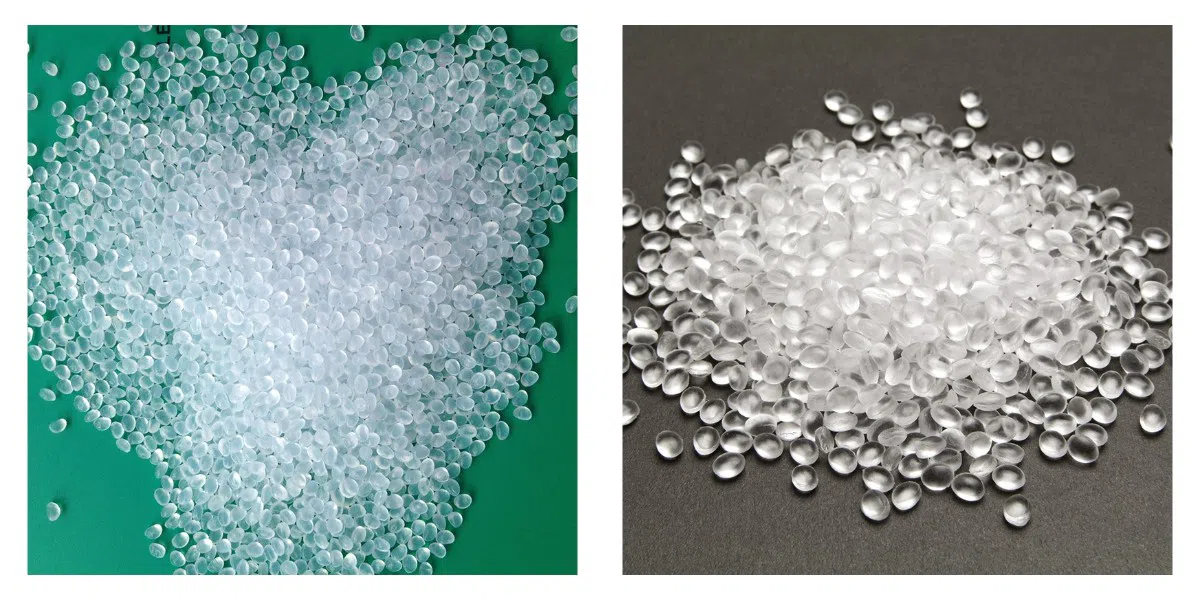
| Appearance | Particles (spherical) |
| Color | red |
| Odor (Odor) | Odorless |
| Biological origin | human |
| Merck | 137,663 |
Product Application
Polypropylene (PP) is a versatile thermoplastic widely applied in packaging, labeling, textiles and other sectors. Its easy processability and cost advantage make it one of the most mass-produced polymers, with substantial demand from the automotive industry.
Unmodified PP can resist photo-oxidation and thermal oxidation under mild temperature conditions. Nevertheless, it is vulnerable to aging triggers including heat, light and radiation, which limits its usable temperature range.
When exposed to high heat or irradiation, the tertiary hydrogen atoms along PP molecular chains are prone to oxidation by oxygen. For outdoor exposure, PP degradation is jointly driven by light and heat. It is also susceptible to photodegradation under ultraviolet light with wavelengths between 310 nm and 350 nm.