
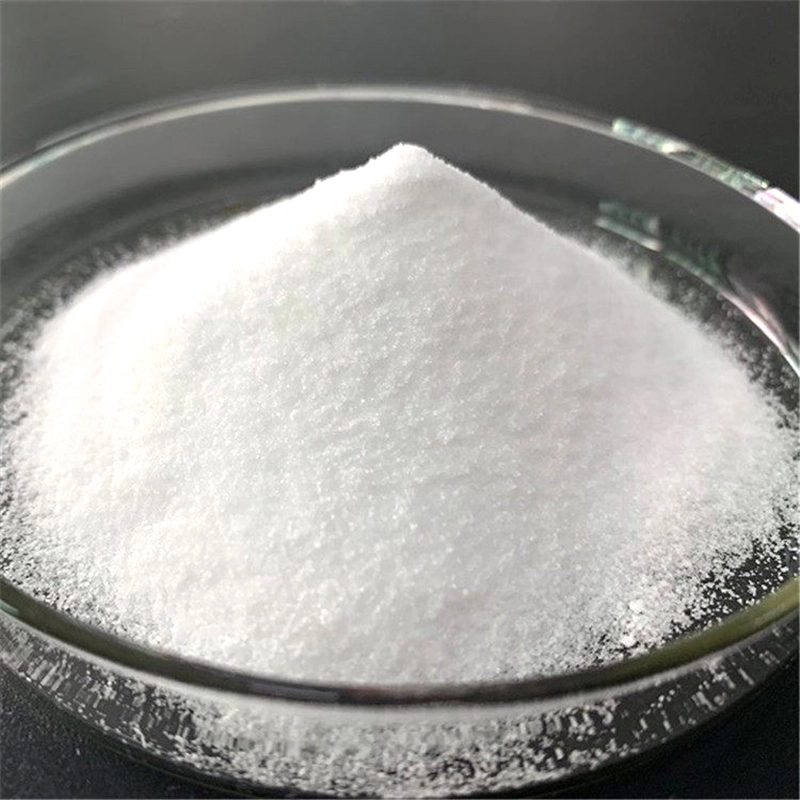
Sodium Chlorite (for ClO₂) CAS#7681-38-1
Sodium bisulfate readily dissolves in water: This substance is corrosive to metals as well as human tissues.
Sodium bisulfate exhibits hygroscopic behavior, meaning it readily absorbs moisture from the surrounding environment. Upon dissolution in water, it undergoes full dissociation into sodium ions (Na⁺), hydrogen ions (H⁺), and sulfate ions (SO₄²⁻). Classified as a mineral‑based acid, sodium bisulfate presents negligible risks of groundwater or soil contamination and does not bioaccumulate within the food chain (EPA, 1993).
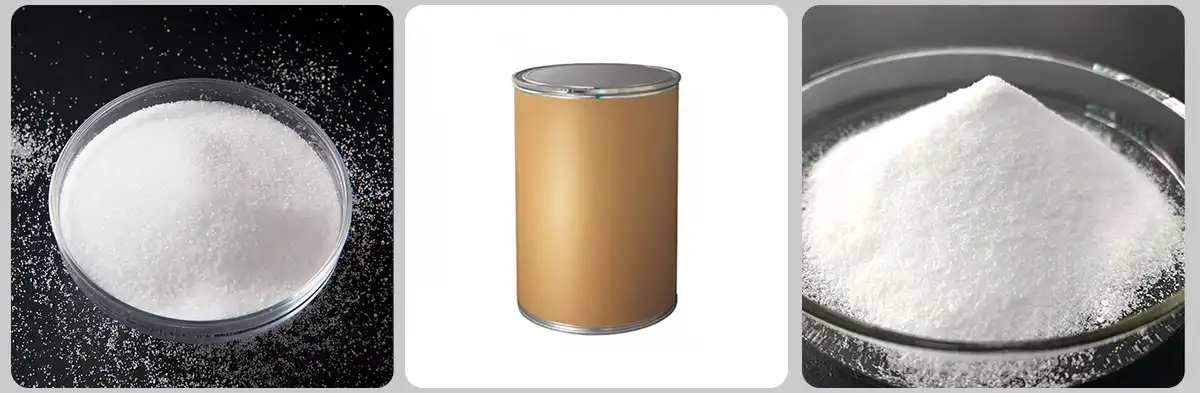
Sodium Bisulfate Chemical Properties
| Melting point | 315 °C |
| Density | 2.1 |
| Form | Granules |
| Color | White to light yellow |
| Water Solubility | soluble in 2 parts H2O, 1 part boiling H2O; decomposes in alcohol to sodium sulfate and H2SO4 [MER06] |
| Sensitive | Hygroscopic |
| Merck | 13,8658 |
| Stability | Stable. Incompatible with strong bases, strong oxidizing agents, sodium carbonate, sodium hypochlorite. May decompose upon exposure to moist air or water. |
| InChI | InChI=1S/Na.H2O4S.H/c;1-5(2,3)4;/h;(H2,1,2,3,4); |
| InChIKey | TTXJTWGBBUPRBF-UHFFFAOYSA-N |
| SMILES | S(O)(O)(=O)=O.[NaH] |
| CAS DataBase Reference | 7681-38-1(CAS DataBase Reference) |
| EPA Substance Registry System | Sodium bisulfate (7681-38-1) |
Product Application of Sodium Bisulfate
Sodium chlorite (for ClO₂) is a strong oxidant and the key raw material for generating chlorine dioxide. Widely used in water treatment, it disinfects drinking water, industrial circulating water and wastewater. It can efficiently remove bacteria, viruses and other microorganisms, reduce odor and discoloration, and cut down harmful residues in water.


