Products Description
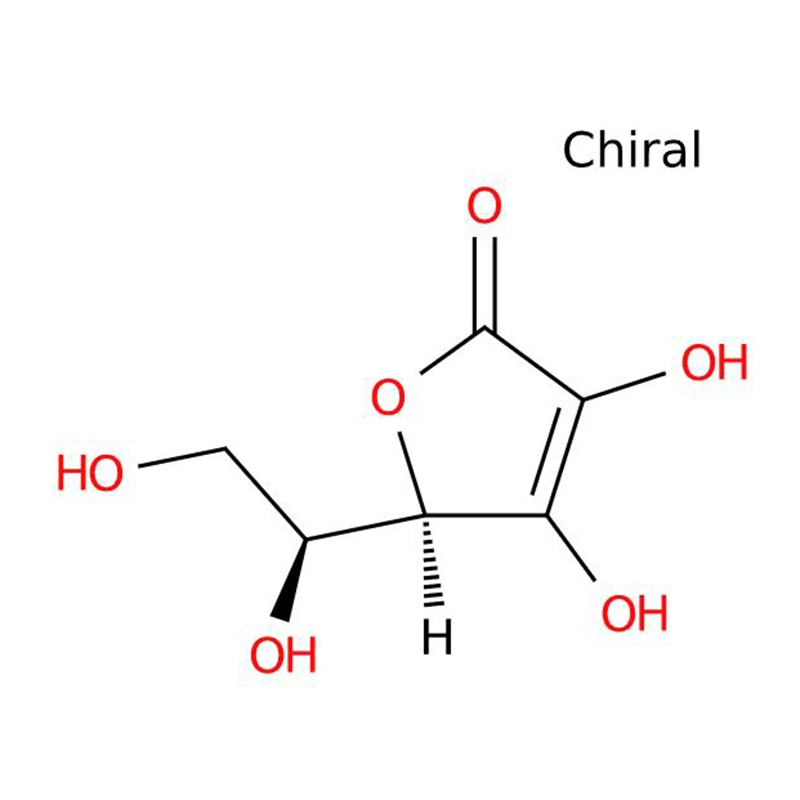
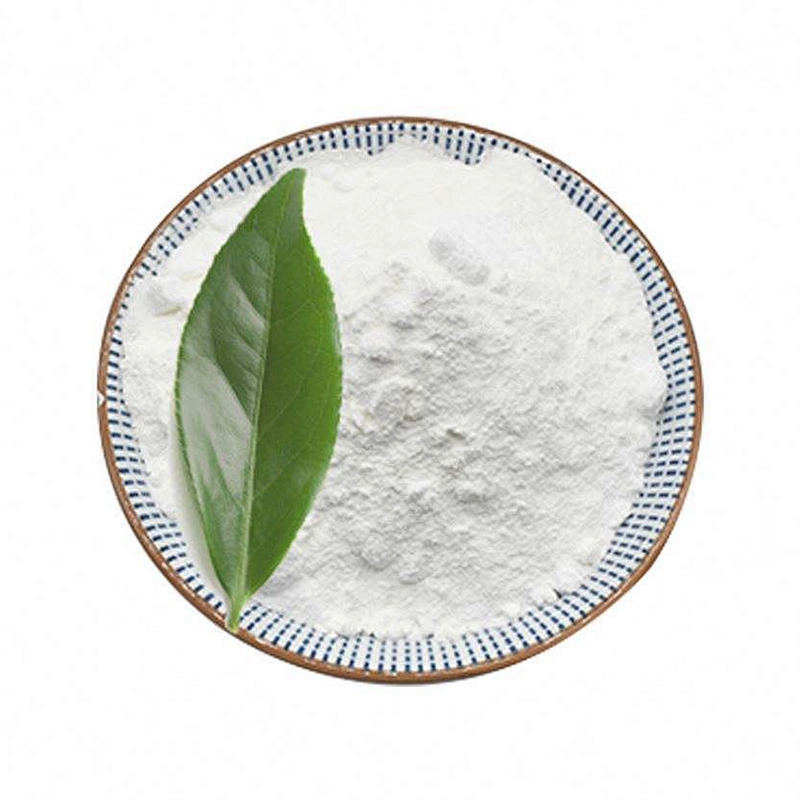
Ascorbic Acid, also known as L-Ascorbic Acid or Vitamin C, has CAS 50-81-7, molecular formula C₆H₈O₆ and molecular weight 176.12. It appears as white or slightly yellow crystalline powder or granules, with a tart taste. It dissolves readily in water and methanol, slightly soluble in ethanol. It is sensitive to heat, light and oxygen, which will trigger gradual degradation. We supply food, feed and pharma grades with high purity. It is non-dangerous goods for transportation, normally packed in 25kg cardboard drums or paper bags. It is exported to food factories, feed plants and pharmaceutical manufacturers for antioxidant and nutritional enhancement purposes.
Chemical Properties
| Melting point | 190-194 °C (dec.) |
| alpha | 20.5 º (c=10,H2O) |
| Boiling point | 227.71°C (rough estimate) |
| density | 1,65 g/cm3 |
| FEMA | 2109 | ASCORBIC ACID |
| refractive index | 21 ° (C=10, H2O) |
| storage temp. | Store at +5°C to +30°C. |
| solubility | H2O: 50 mg/mL at 20 °C, clear, nearly colorless |
| form | powder |
| pka | 4.04, 11.7(at 25℃) |
| color | white to slightly yellow |
| PH | 3.59(1 mM solution);3.04(10 mM solution);2.53(100 mM solution); |
| Odor | Odorless |
| PH Range | 1 - 2.5 |
| biological source | synthetic (organic) |
| Odor Type | green |
| optical activity | [α]25/D 19.0 to 23.0°, c = 10% in H2O |
| Water Solubility | 333 g/L (20 ºC) |
| Merck | 14830 |
| BRN | 84272 |
| BCS Class | 1 |
| Stability: | Stable. May be weakly light or air sensitive. Incompatible with oxidizing agents, alkalies, iron, copper. |
| InChIKey | CIWBSHSKHKDKBQ-JLAZNSOCSA-N |
| LogP | -1.85 |
| CAS DataBase Reference | 50-81-7(CAS DataBase Reference) |
| NIST Chemistry Reference | L-Ascorbic acid(50-81-7) |
| EPA Substance Registry System | Ascorbic acid (50-81-7) |
| Absorption | cut-off at 306nm in H2O at 1M |
| Safety Information | |
| Hazard Codes | |
| Risk Statements | |
| Safety Statements | 24/25-36-26 |
| WGK Germany | 1 |
| RTECS | CI7650000 |
| TSCA | Yes |
| HS Code | 29362700 |
| Hazardous Substances Data | 50-81-7(Hazardous Substances Data) |
| Toxicity | LD50 oral in rat: 11900mg/kg |
Product Application
It is widely used as nutritional supplement and antioxidant in beverages, baked goods, candies, fruit and vegetable processing to retain color and extend shelf life. In feed industry, it is added into animal feed to boost immunity and relieve stress for livestock and aquatic animals. It serves as raw material in pharmaceutical formulations for vitamin supplements. It also acts as reducing agent in chemical and cosmetic industry. In water treatment, it can be applied to remove residual chlorine. Different grades are provided to satisfy food safety, feed additive and pharmaceutical requirements according to customer formulation systems.