
Products Description
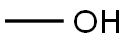
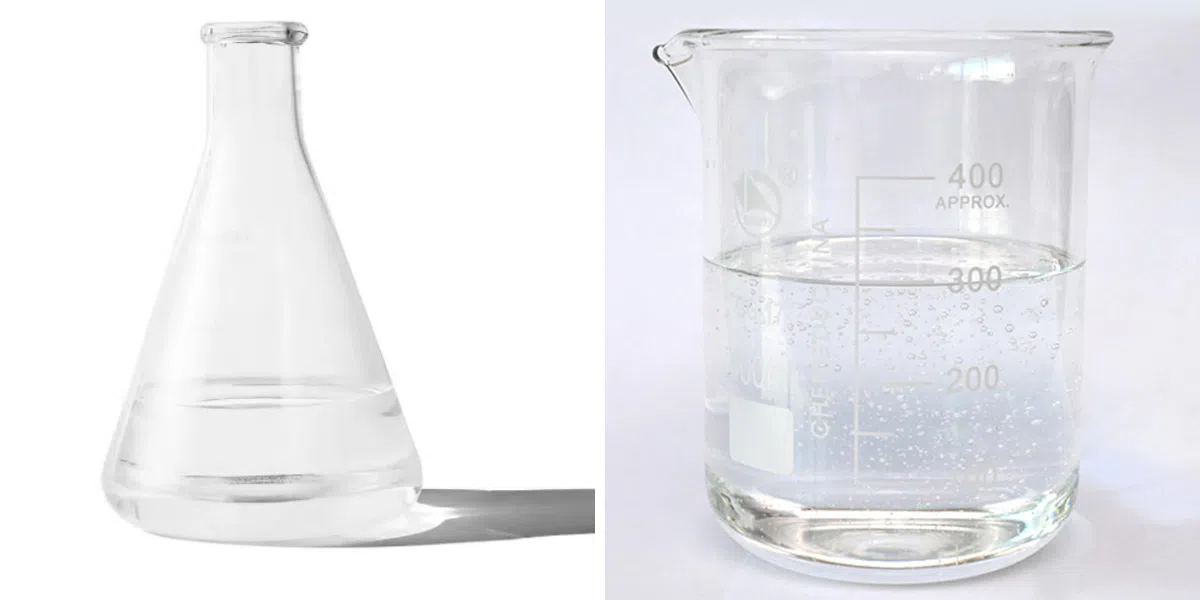
Methanol, also known as methyl alcohol or wood alcohol, is the simplest aliphatic alcohol. It is a colorless, flammable, and volatile liquid with a boiling point of approximately 64.7°C, a melting point of -93.9°C, and a relative density of 0.7913. It is miscible with water and most organic solvents. However, methanol is highly toxic and can cause severe damage to the optic nerve. Ingestion may result in permanent blindness or even death.
Methanol exhibits the typical chemical properties of primary aliphatic alcohols. Its carbon-bound hydrogen atoms can undergo successive oxidation reactions, producing formaldehyde, formic acid, and ultimately carbon dioxide. Consequently, methanol is widely used as a key raw material in the production of formaldehyde. It can also be converted into important organic synthesis intermediates, including methyl formate, methyl chloride, and methylamine. Furthermore, methanol is commonly employed as an organic solvent, an extraction agent, and an alcohol denaturant.
Chemical Properties
Melting point | -98 °C(lit.) |
Boiling point | 65.4 °C(lit.) |
density | 0.791 g/mL at 25 °C |
vapor density | 1.11 (vs air) |
vapor pressure | 410 mm Hg ( 50 °C) |
refractive index | n20/D |
Fp | 52 °F |
storage temp. | 2-8°C |
solubility | benzene: miscible(lit.) |
pka | 15.2(at 25℃) |
form | Liquid Free From Particulates |
Specific Gravity | 0.793 (20/20℃) |
color | <10(APHA) |
Odor | Faint alcohol odor detectable at 4 to 6000 ppm (mean = 160 ppm) |
Relative polarity | 0.762 |
explosive limit | 5.5-44%(V) |
Odor Threshold | 33ppm |
Water Solubility | miscible |
λmax | λ: 210 nm Amax: 0.50 |
Merck | 14,5957 |
BRN | 1098229 |
Henry's Law Constant | 4.99 at 25 °C (headspace-GC, Gupta et al., 2000) |
Exposure limits | TLV-TWA (200 ppm) (ACGIH), 260mg/m3, 1040mg/m3 (800 ppm) 15minutes (NIOSH); STEL 310mg/m3 (250 ppm); IDLH 25,000 ppm (NIOSH). |
Dielectric constant | 33.6(20℃) |
LogP | -0.770 |
CAS DataBase Reference | 67-56-1(CAS DataBase Reference) |
NIST Chemistry Reference | Methyl alcohol(67-56-1) |
EPA Substance Registry System | Methanol (67-56-1) |
Safety Information
Hazard Codes | Xn,T,F |
Risk Statements | 10-20/21/22-68/20/21/22-39/23/24/25-23/24/25-11-40-36-36/38-23/25 |
Safety Statements | 36/37-7-45-16-24/25-23-24-26 |
RIDADR | UN 1170 3/PG 2 |
OEB | A |
OEL | TWA: 200 ppm (260 mg/m3), STEL: 250 ppm (325 mg/m3) [skin] |
WGK Germany | 1 |
RTECS | PC1400000 |
F | 3-10 |
Autoignition Temperature | 385 °C |
TSCA | Yes |
HS Code | 2905 11 00 |
HazardClass | 3 |
PackingGroup | II |
Hazardous Substances Data | 67-56-1(Hazardous Substances Data) |
Toxicity | LD50 oral (rat) |
IDLA | 6,000 ppm |
Product Applications
Methanol is an important raw material in the production of fine chemicals and various industrial products. Through catalytic carbonylation at temperatures of 180–200°C and a pressure of approximately 3.5 MPa, methanol can be converted into acetic acid, which can be further processed to produce acetic anhydride. It can also react with synthesis gas (syngas) to produce vinyl acetate in the presence of a catalyst. Other important derivatives include methyl tert-butyl ether (MTBE), obtained through its reaction with isobutylene, and dimethyl oxalate, which can be produced through oxidation and carbonylation. Further hydrogenation of dimethyl oxalate yields ethylene glycol. Additionally, methanol can react with toluene under catalytic conditions, followed by oxidation, to produce phenylethyl alcohol.
Beyond its role as a chemical intermediate, methanol has a wide range of industrial applications. It is used as an organic solvent, a raw material for pesticide production, an antifreeze agent, and a fuel or fuel additive, with increasing interest in its potential environmental applications. Methanol is also a primary feedstock for formaldehyde production and is widely utilized in the manufacture of pharmaceuticals, fragrances, and other fine chemicals. Furthermore, it serves as a solvent in the dye and paint industries and as a raw material for producing methanol-derived single-cell protein and methyl esters.


