Products Description
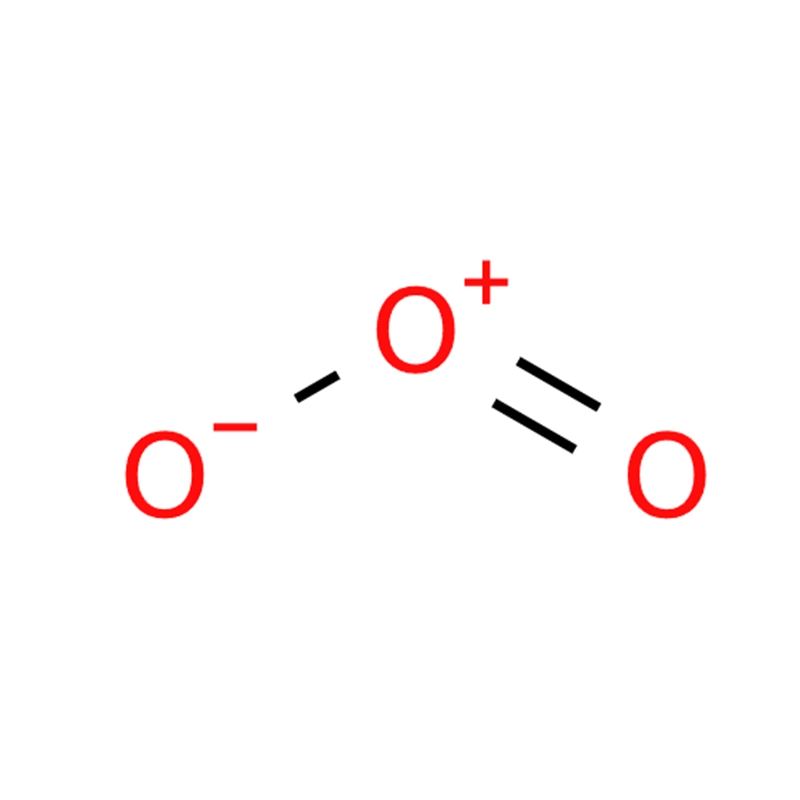
Ozone, CAS 10028-15-6, molecular formula O₃, molecular weight 48.00. It is an allotrope of oxygen, a pale blue gas with a characteristic pungent odor at normal temperature and pressure. It is unstable and easy to decompose into oxygen, with strong oxidizing property. It is slightly soluble in water, and its solubility rises in low-temperature water. Ozone is a hazardous oxidizing gas. It is normally produced by ozone generators on demand rather than stored and transported in bulk. It is widely supplied for water treatment, air purification and industrial oxidation processes, with strict safety operation requirements for the whole application system.
Chemical Properties
| Melting point | 193℃ |
| Boiling point | -110℃ |
| Density | 1.46 g/cm3 |
| Vapor pressure | 55kPa at -12℃ |
| Solubility | slightly soluble in H2O |
| Form | blue gas |
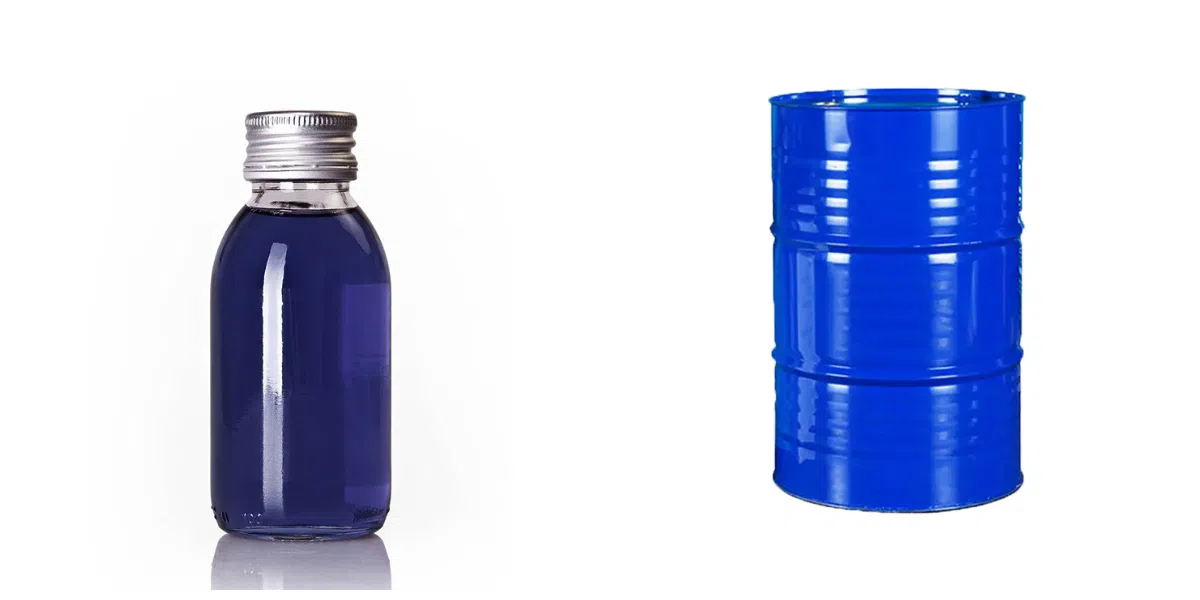
| Color | Blue or violet-black solid or unstable colorless gas or dark-blue liquid |
| Odor | Pungent odor, detectable at 0.01 to 0.04 ppm; sharp disagreeable odor at 1 ppm |
| Odor Threshold | 0.0032ppm |
| Water Solubility | 570mg/L at 20℃ |
| Exposure limits | TLV-TWA 0.1 ppm (~0.2 mg/m3) (ACGIH, NIOSH, and MSHA), 0.2 ppm (~0.4 mg/m3) (OSHA); IDHL 10 ppm (NIOSH). |
| Stability: | Unstable - may decompose spontaneously and violently to oxygen. Mixtures containing a moderate partial pressure of ozone, and pure ozone at even low pressures are both potentially explosive. May react very violently with combustible materials and reducing agents, such as organics. Even small quantities of organic material, such as traces of g |
| LogP | -0.87 at 20℃ |
| EPA Substance Registry System | Ozone (10028-15-6) |
Safety Information
| RIDADR | 1956 |
| OEL | Ceiling: 0.1 ppm (0.2 mg/m3) |
| HazardClass | 2.2 |
| Hazardous Substances Data | 10028-15-6(Hazardous Substances Data) |
| Toxicity | LC50 inhal (rat) |
| 4.8 ppm (4 h) | |
| PEL (OSHA) | |
| 0.1 ppm (0.2 mg/m3) | |
| TLV-TWA (ACGIH) | |
| 0.1 ppm (0.2 mg/m3) | |
| STEL (ACGIH) | |
| 0.3 ppm (0.6 mg/m3) | |
| IDLA | 5 ppm |
Product Application
It is widely used as high-efficiency disinfectant in drinking water, bottled water, swimming pool water and sewage treatment for sterilization, decolorization and odor removal. It serves as air purifier for food workshops, cold storage and sewage stations to eliminate peculiar smell and airborne microbes. In chemical industry, it acts as selective oxidant for organic synthesis and fine chemical modification. It is also adopted in food processing for surface sterilization of fruits, vegetables and packaging materials. Additionally, it is applied in medical disinfection, aquaculture water purification and semiconductor ultrapure water preparation to replace traditional halogen disinfectants.