
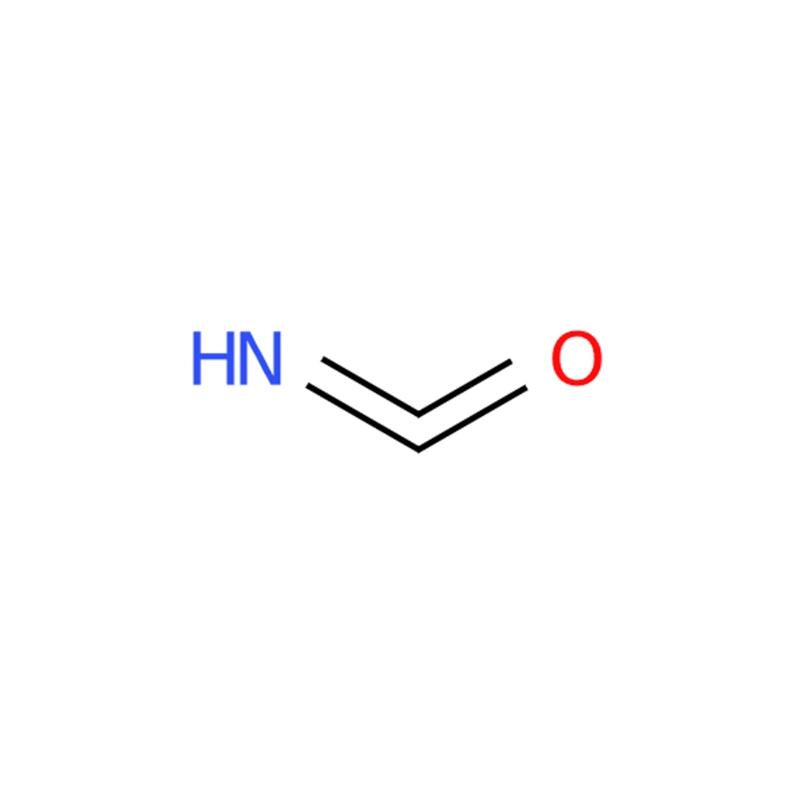
ISOCYANIC ACID CAS#75-13-8
Isocyanates are a general class of compounds derived from isocyanic acid (HNCO), characterized by the chemical formula R−N=C=O. Major isocyanate compounds can be classified into four main categories: alkyl monoisocyanates, substituted phenyl monoisocyanates, α-substituted alkyl isocyanates, and polyisocyanates.
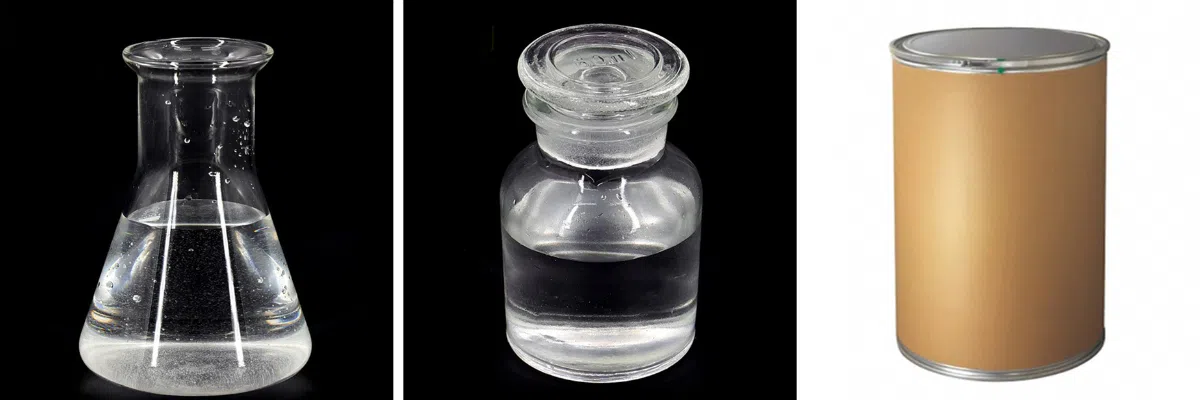
Common examples include toluene diisocyanate (TDI), diphenylmethane diisocyanate (MDI), isophorone diisocyanate (IPDI), polymethylene polyphenyl polyisocyanate (PAPI), and hexamethylene diisocyanate (HDI). Most common isocyanates are colorless or pale yellow liquids with a pungent odor, and their physical properties vary depending on their molecular structures.
Product Application of Isocyanates
Isocyanates are most widely used in the polyurethane industry. Polyurethane materials produced from different raw materials, such as TDI, MDI, and HMDI, are extensively applied in automotive parts, shoe soles, artificial leather, coatings, adhesives, thermal insulation materials, durable polyurethane products, paints, and dyes. They are also used in the preparation of plant protection products, pesticides, herbicides, plant growth regulators, and anti-tumor drugs.
In industrial production, isocyanate-based polymers can also be used in the synthesis of pigments, resins, textile water-repellent agents, plastics, detergents, foams, elastomers, adhesives, and coatings.
Key Physical & Chemical Properties
| Property | Specification |
|---|---|
| Chemical Formula | HNCO |
| Appearance | Volatile liquid/gas (handled as solution) |
| Stability | Unstable; polymerizes readily |
| Reactivity | Highly reactive; reacts with water, alcohols, amines |
| Solubility | Soluble in polar organic solvents (as solution) |
| Typical Forms | Stabilized solution / cyanate precursor |


