Products Description
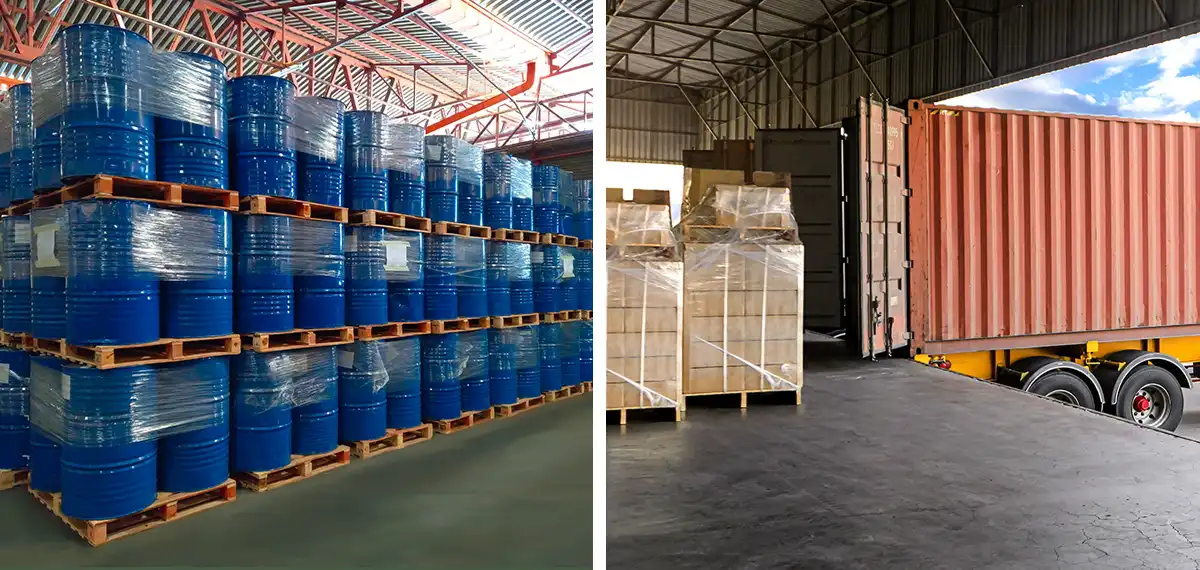
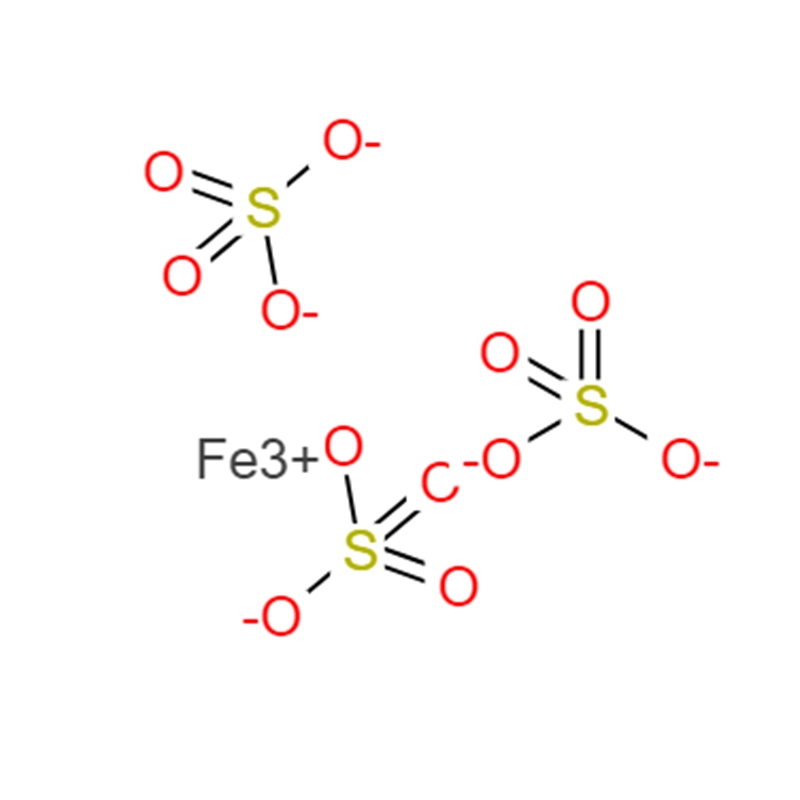
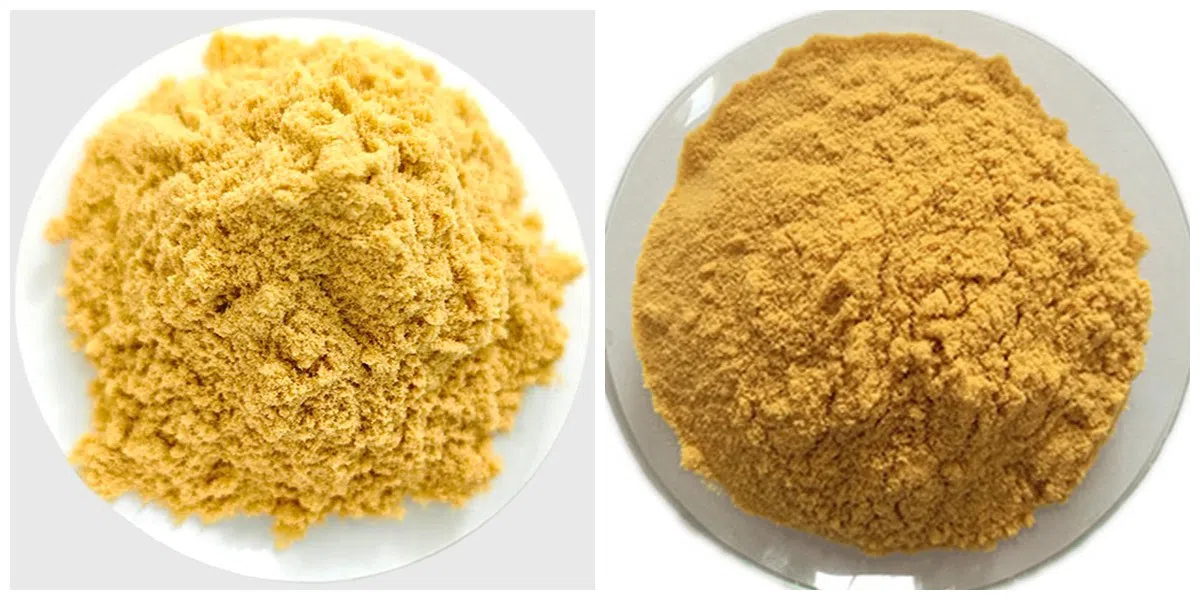
Polyferric Sulfate (PFS), CAS 10028-22-5, is a high-efficiency inorganic polymeric ferric flocculant. Liquid form is reddish-brown viscous solution, while solid powder is yellowish-brown amorphous particle. It is soluble in water, and its hydrolyzed products can adsorb and bridge fine suspended particles in water. It belongs to non-dangerous goods for transportation. We supply both liquid and solid specifications with stable total iron content. It is widely used in municipal sewage and various industrial wastewater treatment systems. It is normally packed in 25kg woven bags for solid or IBC/plastic drums for liquid, exported to water treatment engineering companies.
Chemical Properties
| Melting point | 480°C |
| Boiling point | 101-118 °C |
| density | 3.097 |
| vapor pressure | 0Pa at 20℃ |
| storage temp. | Keep in dark place,Inert atmosphere,Room temperature |
| solubility | slightly soluble in ethanol; insoluble in acetone |
| form | Powder |
| color | Yellow-gray |
| Water Solubility | Soluble in water. Sparingly soluble in alcohol. Almost insoluble in acetone and ethyl acetate. Insoluble in sulfuric acid and ammonia. |
| Sensitive | Hygroscopic |
| Merck | 144,032 |
| Exposure limits | ACGIH: TWA 1 mg/m3 |
| NIOSH: TWA 1 mg/m3 | |
| LogP | -1.031 (est) |
| CAS DataBase Reference | 10028-22-5(CAS DataBase Reference) |
| NIST Chemistry Reference | Ferric sulfate(10028-22-5) |
| EPA Substance Registry System | Ferric sulfate (10028-22-5) |
Safety Information
| Hazard Codes | Xn |
| Risk Statements | 22-36/37 |
| Safety Statements | 26 |
| RIDADR | UN 9121 |
| WGK Germany | 3 |
| RTECS | NO8520000 |
| TSCA | Yes |
| HS Code | 2833298080 |
| Hazardous Substances Data | 10028-22-5(Hazardous Substances Data) |
Product Application
It is widely used for turbidity removal, water purification, and wastewater treatment across a broad range of industrial water systems. It is particularly suitable for treating industrial wastewater generated by mining, printing and dyeing, papermaking, food processing, leather processing, and other manufacturing industries. With its excellent coagulation and purification performance, it helps remove suspended solids, colloidal particles, and other impurities, improving water clarity and overall treatment efficiency. The product demonstrates reliable performance in treating lightly polluted water, algae-containing water, and low-temperature, low-turbidity raw water, where conventional treatment processes may experience reduced efficiency. It is also particularly effective in the treatment and clarification of high-turbidity raw water, helping accelerate particle aggregation and facilitate solid-liquid separation. In addition, it can be incorporated into various industrial water treatment processes to improve sedimentation performance, reduce suspended matter, and support subsequent filtration and purification stages. Its broad applicability makes it a valuable solution for municipal water treatment plants, industrial wastewater treatment facilities, and specialized water purification systems. Depending on raw water quality, operating conditions, and treatment requirements, appropriate dosage and process optimization can help achieve consistent purification results, improve operational efficiency, and support more sustainable water management across diverse industrial applications.