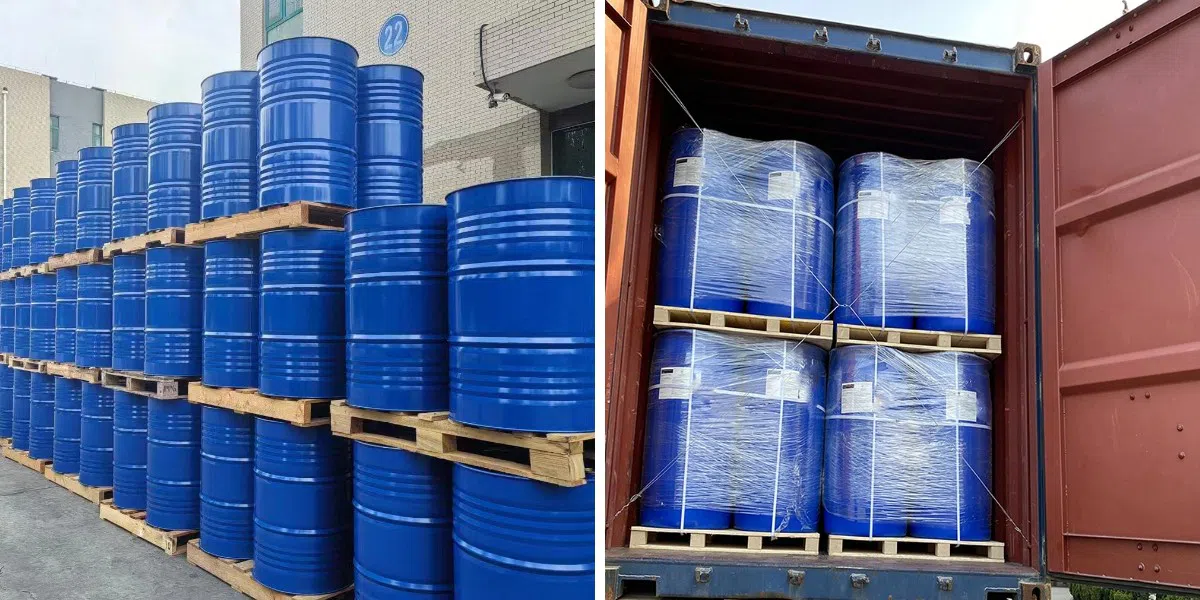
Ethyl Acetate CAS#141-78-6 Product Description
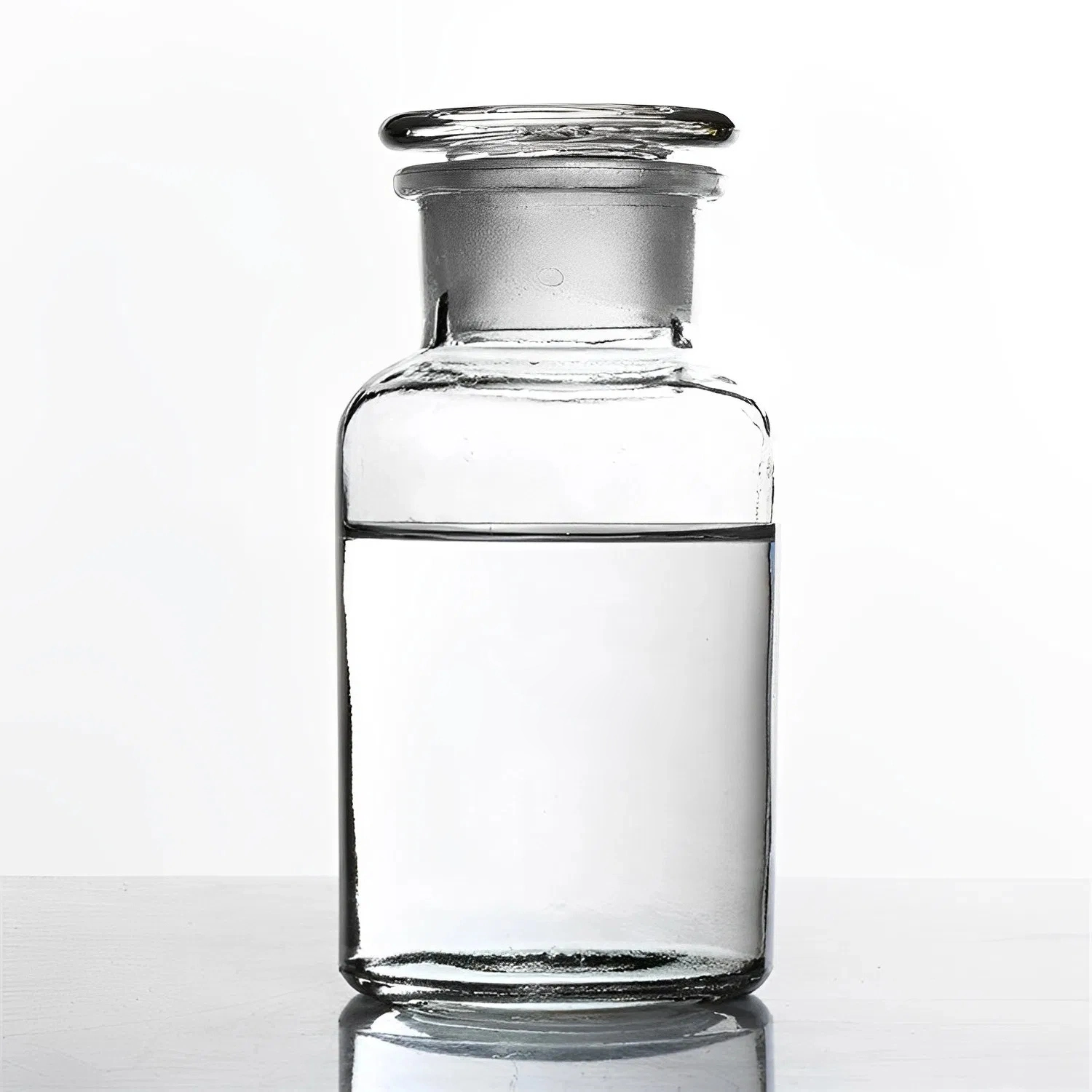
Ethyl acetate is one of the most widely recognized esters in chemistry and is known for its extensive range of industrial and laboratory applications. Structurally, esters are derived from carboxylic acids through the replacement of the acidic hydrogen atom with an alkyl or aryl group. At room temperature, ethyl acetate exists as a clear, colorless liquid with a characteristic pleasant, fruity aroma and a boiling point of approximately 77°C.
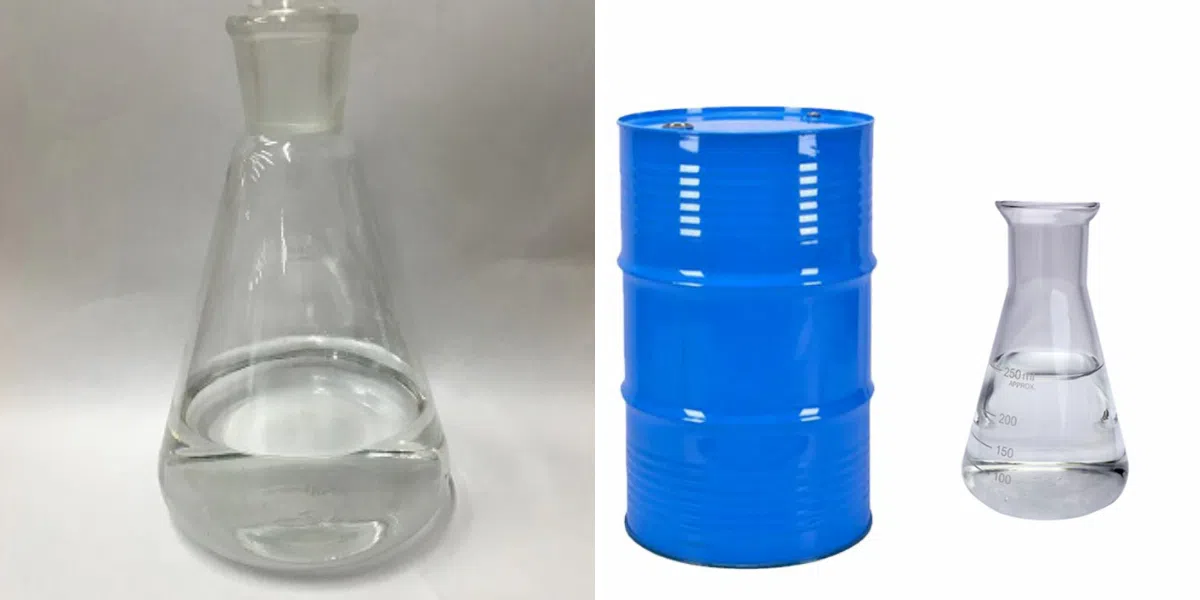
Ethyl Acetate CAS#141-78-6 Chemical Properties
| Melting point | −84 °C(lit.) |
| Boiling point | 76.5-77.5 °C(lit.) |
| density | 0.902 g/mL at 25 °C(lit.) |
| vapor density | 3 (20 °C, vs air) |
| vapor pressure | 73 mm Hg ( 20 °C) |
| refractive index | n20/D 1.3720(lit.) |
| FEMA | 2414 | ETHYL ACETATE |
| Fp | 26 °F |
| storage temp. | Store at +2°C to +25°C. |
| solubility | Miscible with ethanol, acetone, diethyl ether and benzene. |
| pka | 16-18(at 25℃) |
| form | Liquid |
| Specific Gravity | 0.902 (20/20℃) |
| color | APHA: ≤10 |
| Odor | Pleasant fruity odor detectable at 7 to 50 ppm (mean = 18 ppm) |
| Relative polarity | 0.228 |
| explosive limit | 2.2-11.5%, 38°F |
| Odor Threshold | 0.87ppm |
| Odor Type | ethereal |
| biological source | synthetic |
| Water Solubility | 80 g/L (20 ºC) |
| λmax | λ: 256 nm Amax: ≤1.00 λ: 275 nm Amax: ≤0.05 λ: 300 nm Amax: ≤0.03 λ: 325-400 nm Amax: ≤0.005 |
| JECFA Number | 27 |
| Merck | 14,3757 |
| BRN | 506104 |
| Henry's Law Constant | 0.39 at 5.00 °C, 0.58 at 10.00 °C, 0.85 at 15.00 °C, 1.17 at 20.00 °C, 1.58 at 25.00 °C (column stripping-UV, Kutsuna et al., 2005) |
| Exposure limits | TLV-TWA 400 ppm (~1400 mg/m3) (ACGIH, MSHA, and OSHA); IDLH 10,000 ppm (NIOSH). |
| Dielectric constant | 23.0(Ambient) |
| Stability: | Stable. Incompatible with various plastics, strong oxidizing agents. Highly flammable. Vapour/air mixtures explosive. May be moisture sensitive. |
| InChIKey | XEKOWRVHYACXOJ-UHFFFAOYSA-N |
| LogP | 0.68-0.73 at 20-25℃ |
| Surface tension | 23.93mN/m at 293.15K |
| CAS DataBase Reference | 141-78-6(CAS DataBase Reference) |
| NIST Chemistry Reference | Ethyl acetate(141-78-6) |
| EPA Substance Registry System | Ethyl acetate (141-78-6) |
Ethyl Acetate CAS#141-78-6 Safety Information
| Hazard Codes | F,Xi,Xn,T |
| Risk Statements | 11-36-66-67-20/21/22-10-39/23/24/25-23/24/25-68/20/21/22 |
| Safety Statements | 16-26-33-36/37-45-7-25 |
| RIDADR | UN 1173 3/PG 2 |
| OEB | A |
| OEL | TWA: 400 ppm (1400 mg/m3) |
| WGK Germany | 1 |
| RTECS | AH5425000 |
| F | 1 |
| Autoignition Temperature | 427 °C |
| TSCA | Yes |
| HS Code | 2915 31 00 |
| HazardClass | 3 |
| PackingGroup | II |
| Hazardous Substances Data | 141-78-6(Hazardous Substances Data) |
| Toxicity | LD50 orally in rats: 11.3 ml/kg (Smyth) |
| IDLA | 2,000 ppm [10% LEL] |
Ethyl Acetate CAS#141-78-6 Product Application
1.Chemical Industry: Widely applied as a surfactant, dispersing agent, and wetting agent in chemical manufacturing processes. It helps improve the uniformity and stability of reaction systems, enhance reaction efficiency, and maintain consistent product quality. In the production of plastics, rubber, fibers, and other materials, it can also improve raw material processing and handling properties.
2.Personal Care and Household Products: Commonly incorporated into cosmetics, shampoos, shower gels, and other daily care formulations to enhance product texture, stability, and overall performance. In shampoos and body washes, it contributes to foaming, cleansing, and conditioning properties.
3.Pharmaceutical Industry: Used as a solvent and drug carrier to facilitate drug delivery and absorption, potentially enhancing pharmaceutical bioavailability. It can also function as an emulsifying and dispersing agent in certain topical pharmaceutical preparations.
4.Other Industrial Applications:
Textile Industry: Utilized in fabric printing, dyeing, and finishing processes to improve fabric softness and dyeing performance.
Oilfield Industry: Applied in oil-water separation processes to support more efficient oil extraction and production operations.
Agrochemical Industry: Functions as a dispersing agent in pesticide formulations, helping achieve more uniform distribution and improve application performance.