Product Description
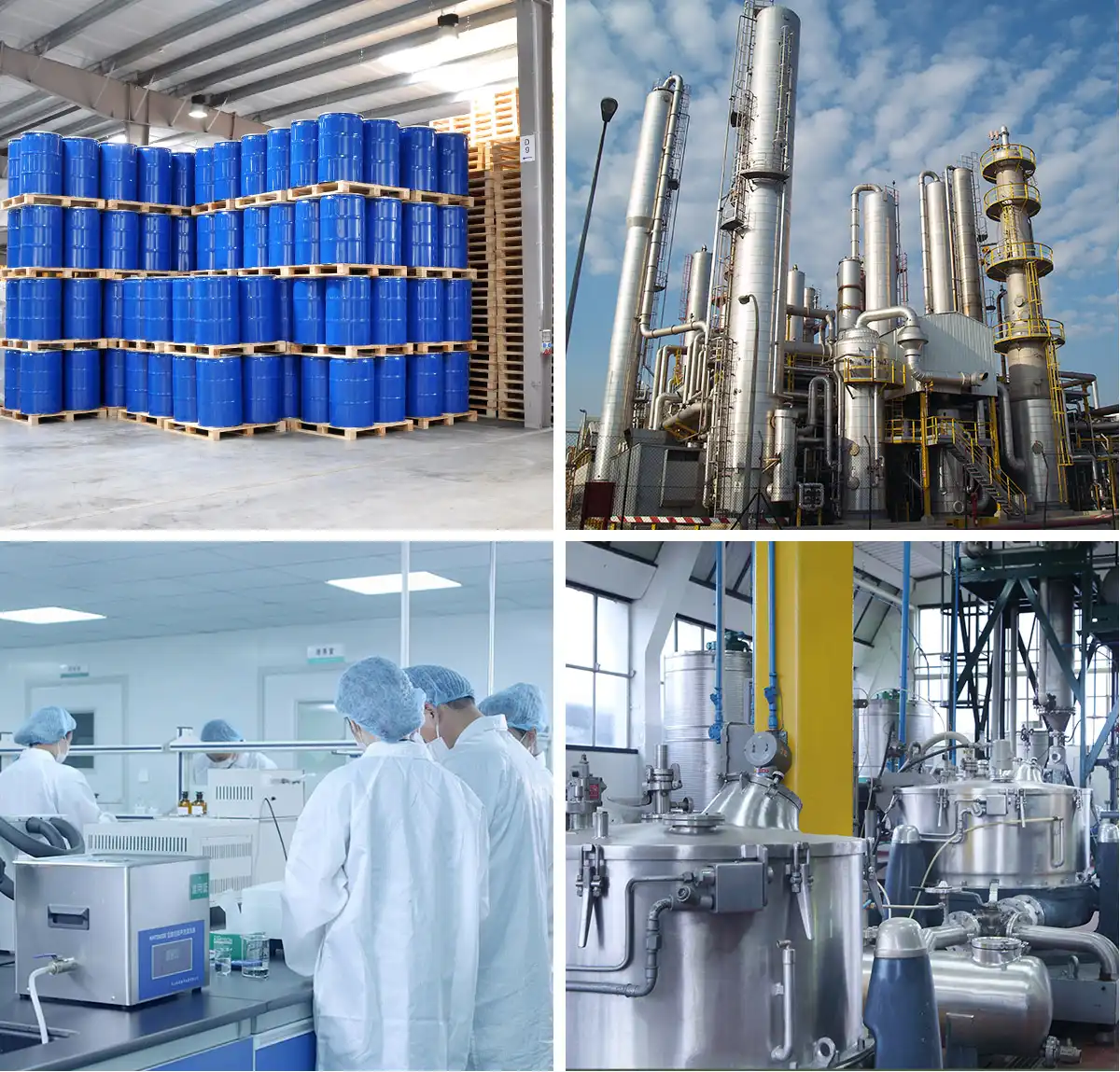
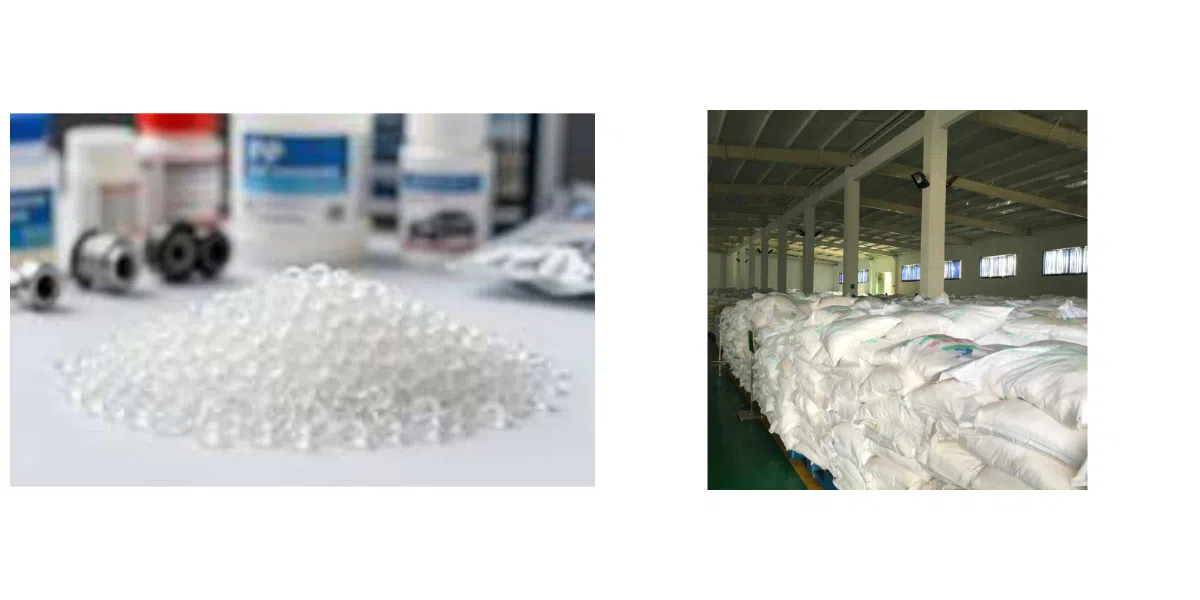
Polypropylene (PP), CAS 9003-07-0, is a thermoplastic polyolefin polymer formed by propylene polymerization. It appears as ivory or translucent round pellets. Its density is around 0.90–0.91 g/cm³, the lowest among common general plastics. It features low water absorption, good rigidity and fatigue resistance. It can be processed by injection molding, extrusion, blow molding and fiber spinning. We supply various grades including homopolymer, copolymer and impact copolymer, with stable melt flow index. It is non-hazardous for shipping, normally packed in 25kg PP woven bags, widely exported for plastic converting factories.
Chemical Properties
| Melting point | 157 °C |
| Boiling point | 120-132 °C |
| density | 0.9 g/mL at 25 °C (lit.) |
| refractive index | n20/D 1.49(lit.) |
| Fp | >470 |
| storage temp. | -20°C |
| form | particles (Spherical) |
| color | red |
| Odor | odorless |
| biological source | human |
| Merck | 13,7663 |
| Dielectric constant | 1.5(Ambient) |
| IARC | 3 (Vol. 19, Sup 7) 1987 |
| NIST Chemistry Reference | Polypropylene, atactic(9003-07-0) |
| EPA Substance Registry System | Polypropylene (9003-07-0) |
Safety Information
| WGK Germany | 3 |
| RTECS | UD1842000 |
| TSCA | Yes |
| HS Code | 39021000 |
| Hazardous Substances Data | 9003-07-0(Hazardous Substances Data) |
| Toxicity | LD50 intraperitoneal in rat: > 110gm/kg |
Product Application
Polypropylene (PP) is a versatile thermoplastic widely used in injection molding, extrusion, and fiber production. It is commonly applied in household products, automotive interior components, plastic containers, and thin-wall packaging.
Polypropylene is available in different Melt Flow Index (MFI) grades to accommodate various processing technologies, including injection molding, extrusion, and fiber spinning. These grades provide flexibility in processing and help meet diverse requirements for finished product performance, quality, and application.