
Product Overview
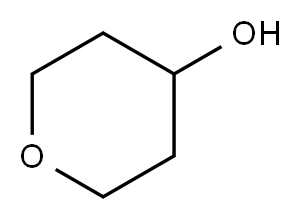
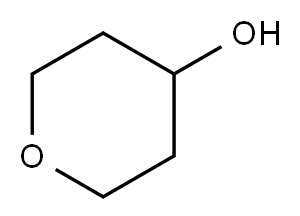
Tetrahydro-4-pyranol, also known as 4-hydroxytetrahydropyran or oxan-4-ol, is an oxygen-containing heterocyclic organic compound with the molecular formula C₅H₁₀O₂ and a molecular weight of 102.13 g/mol. Its molecular structure consists of a saturated six-membered tetrahydropyran ring containing one oxygen atom and a hydroxyl group attached to the fourth carbon position. This combination of cyclic ether and alcohol functionalities makes it a useful building block in organic synthesis.
The compound is generally supplied as a colorless liquid or oil. It has a reported density of approximately 1.071 g/mL at 25°C and a boiling point of approximately 87°C at 15 mmHg. It is compatible with certain organic solvents, including methanol and chloroform, making it suitable for selected laboratory synthesis and formulation processes.
Tetrahydro-4-pyranol is primarily used as a chemical intermediate and laboratory reagent. Its hydroxyl functionality can participate in various organic transformations, while its tetrahydropyran ring provides a useful structural framework for developing more complex molecules. It is relevant to heterocyclic chemistry, pharmaceutical intermediate research, specialty organic synthesis, and the preparation of functionalized cyclic compounds. Its defined chemical identity and versatile molecular structure make it a useful raw material for chemical research and industrial development.
Safety and Storage
Tetrahydro-4-pyranol should be handled carefully in accordance with the supplier's Safety Data Sheet (SDS). Available supplier SDS documents identify potential hazards including combustible liquid properties, skin irritation, eye irritation or serious eye damage, and respiratory irritation. The exact hazard classification may vary between suppliers and regulatory systems, so the SDS for the actual product and grade should always be consulted before use.
Avoid inhaling vapors and prevent direct contact with skin and eyes. Handle the material in a well-ventilated area, preferably using local exhaust ventilation when transferring or dispensing larger quantities. Wear appropriate personal protective equipment, including chemical-resistant gloves, safety goggles, and protective clothing. Do not eat, drink, or smoke in handling areas, and wash hands thoroughly after use.
Keep the product away from excessive heat, sparks, open flames, and other ignition sources. Store it in a tightly sealed, compatible, clearly labeled container in a cool, dry, and well-ventilated location. Protect it from contamination and avoid unnecessary exposure to moisture. Keep it separate from incompatible chemicals, particularly strong oxidizing agents. In case of accidental eye contact, rinse cautiously with water for several minutes and seek medical attention according to the SDS instructions. Dispose of unused material and contaminated packaging in compliance with applicable local regulations.


