Products Description
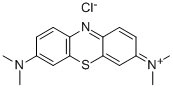
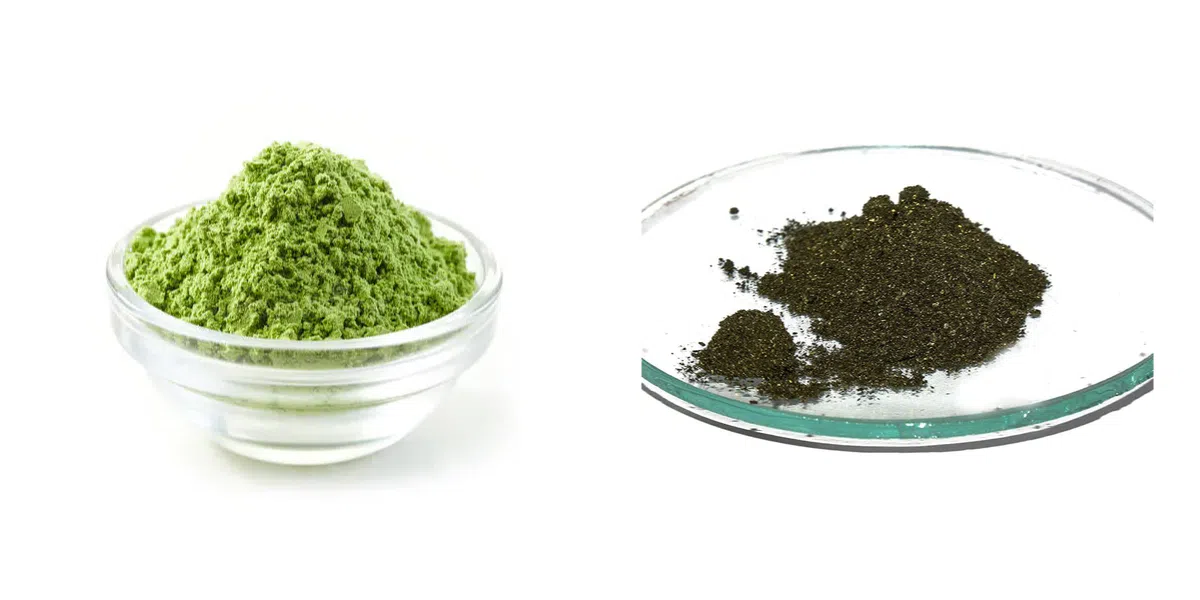
High-purity methylene blue is typically presented as a dark green crystalline powder that develops an intense blue color when dissolved in water or ethanol. Due to its distinctive staining properties and redox activity, it is widely utilized in biological and microbiological staining, spectroscopic analysis, and oxidation-reduction indicator applications. With consistent quality and reliable performance, it is suitable for a variety of laboratory research, analytical testing, and industrial processes. Its versatile chemical properties make it a valuable reagent for applications requiring clear color development and dependable analytical results.
Chemical Properties
| Melting point | 190 °C (dec.)(lit.) |
| density | 1.0 g/mL at 20 °C |
| refractive index | n20/D1.347 |
| Fp | 45 °C |
| storage temp. | room temp |
| solubility | Soluble in water, ethanol, ethylene glycol, methyl cellosolve |
| form | Liquid |
| pka | 2.6, 11.2(at 25℃) |
| Colour Index | 52015 |
| color | Green |
| Specific Gravity | 0.98 |
| Odor | Odorless |
| Water Solubility | 40 g/L (20 ºC) |
| λmax | 661 nm |
| Merck | 14,6060 |
| BRN | 3641570 |
| Biological Applications | Detecting microorganisms; treating diabetic retinopathy,macular degeneration,malignant uveal melanomas,erysipelas,hidradenitis suppurativa,inflammation,skin diseases |
| NIST Chemistry Reference | Methylene blue(61-73-4) |
| EPA Substance Registry System | Methylene blue (61-73-4) |
Safety Information
| Hazard Codes | Xn |
| Risk Statements | 10-41-22-20/21/22-36/37/38 |
| Safety Statements | 26-39-36 |
| RIDADR | UN 1993 3/PG 3 |
| WGK Germany | 3 |
| RTECS | SP5740000 |
| HS Code | 32049010 |
| Hazardous Substances Data | 61-73-4(Hazardous Substances Data) |
| Toxicity | LD50 oral in rat: 1180mg/kg |
Product Application
Methylene blue is a redox-sensitive dye widely used in biological staining and yeast viability testing. Its oxidized form is blue, while its reduced form is colorless. Metabolically active yeast cells can reduce the dye through cellular metabolic processes, resulting in the loss of blue coloration. In contrast, dead cells or those with low metabolic activity have limited reducing capacity and typically remain blue or light blue. This property enables the differentiation of viable and non-viable yeast cells while facilitating microscopic observation of cell morphology.
In addition to its biological applications, methylene blue is used for dyeing linen, silk fabrics, and paper, as well as coloring bamboo and wood. It also serves as a raw material in ink and lake pigment production and is widely employed in biological and bacteriological staining techniques. Furthermore, methylene blue can be blended with Basic Violet 5BN and yellow dextrin in a ratio of 78:13:9 to produce a basic royal blue dye formulation, offering a distinctive coloration for suitable industrial dyeing applications.