Product Details
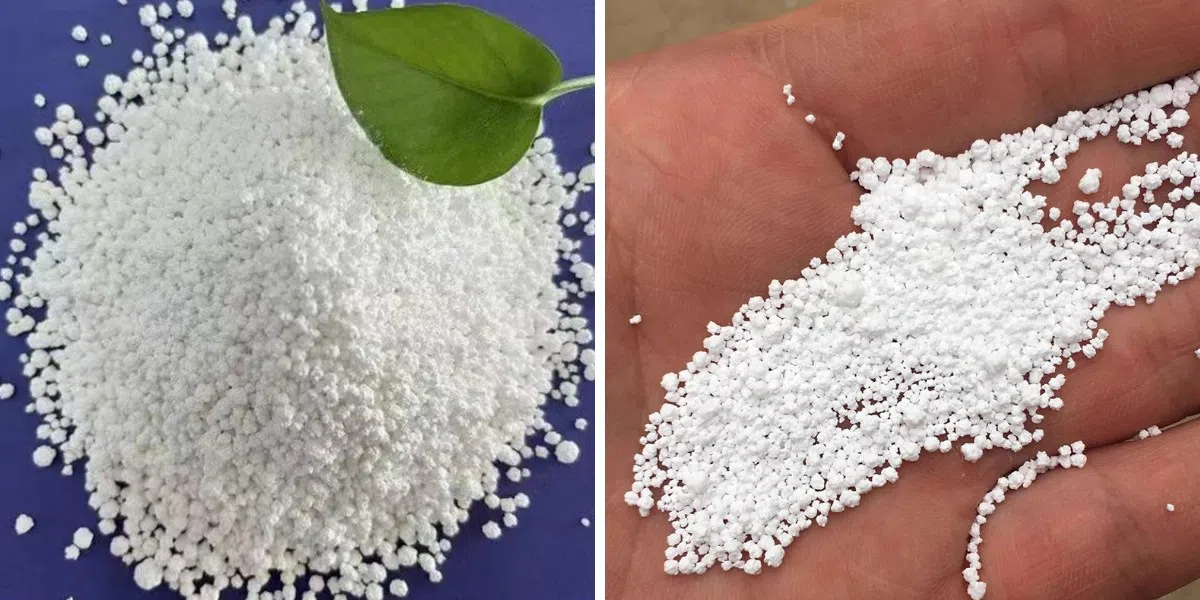
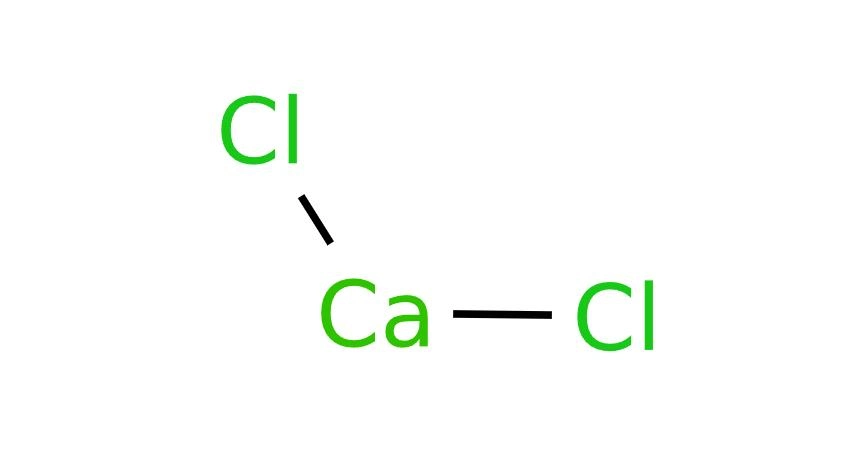
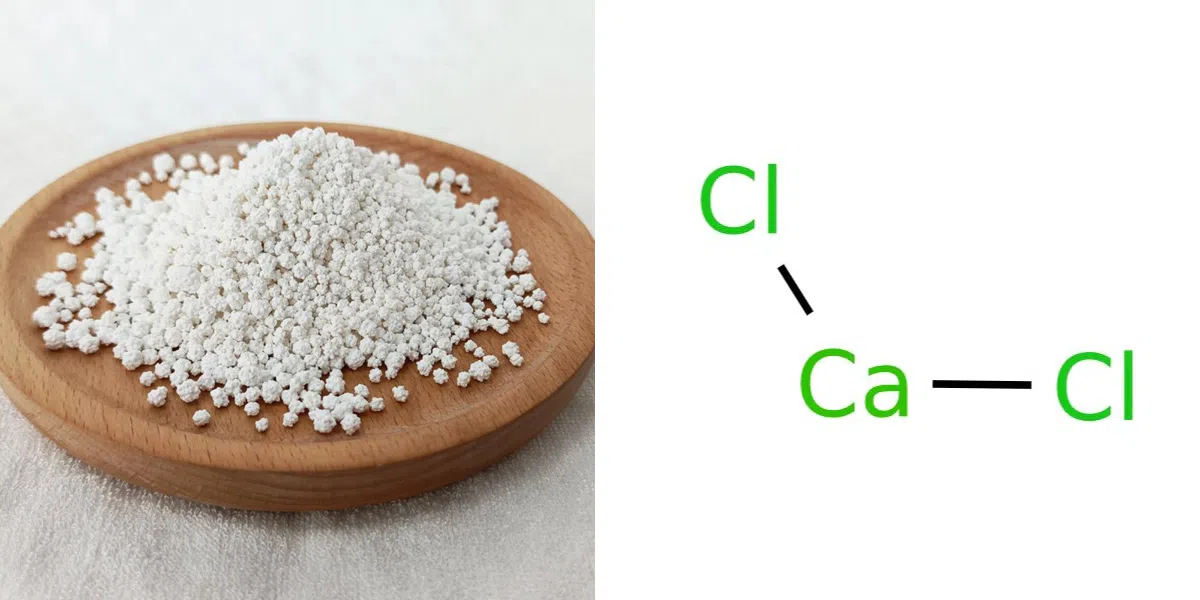
Anhydrous calcium chloride appears as a white, porous crystalline solid or granular material with strong deliquescent properties. It has a melting point of 782°C, a density of 2.15 g/cm³, and a boiling point exceeding 1600°C. This compound readily dissolves in water with significant heat release and is also soluble in ethanol and acetone. The most frequently encountered form is calcium chloride hexahydrate (CaCl₂·6H₂O), which exists as colorless trigonal crystals that are highly hygroscopic and have a bitter-salty taste. This hydrated form has a density of 1.71 g/cm³ and dissolves in its own water of crystallization at 29.92°C. Upon heating to 30°C, it releases four water molecules to produce the dihydrate (CaCl₂·2H₂O), appearing as a white, porous, moisture-absorbing solid. Further heating yields the monohydrate, and temperatures above 200°C result in complete dehydration, forming highly hygroscopic anhydrous calcium chloride. Additionally, calcium chloride reacts with ammonia to form an ammoniate compound (CaCl₂·8NH₃). Anhydrous Calcium Chloride (CaCl₂, CAS 10043-52-4) is a highly versatile inorganic compound appearing as white porous crystals or granules with extreme deliquescence (absorbs >300% its weight in water).
Advanced Applications
Deicing & Dust Control
Road Treatment: Lowers freezing point to -51°C (30% solution)
Unpaved Roads: Binds fine particles (applied as 35% solution)
Industrial Drying
Gas Processing: Dew point suppression to -40°C (in desiccant beds)
Refrigerant Systems: Moisture scavenger in HVAC lines