
Product Description
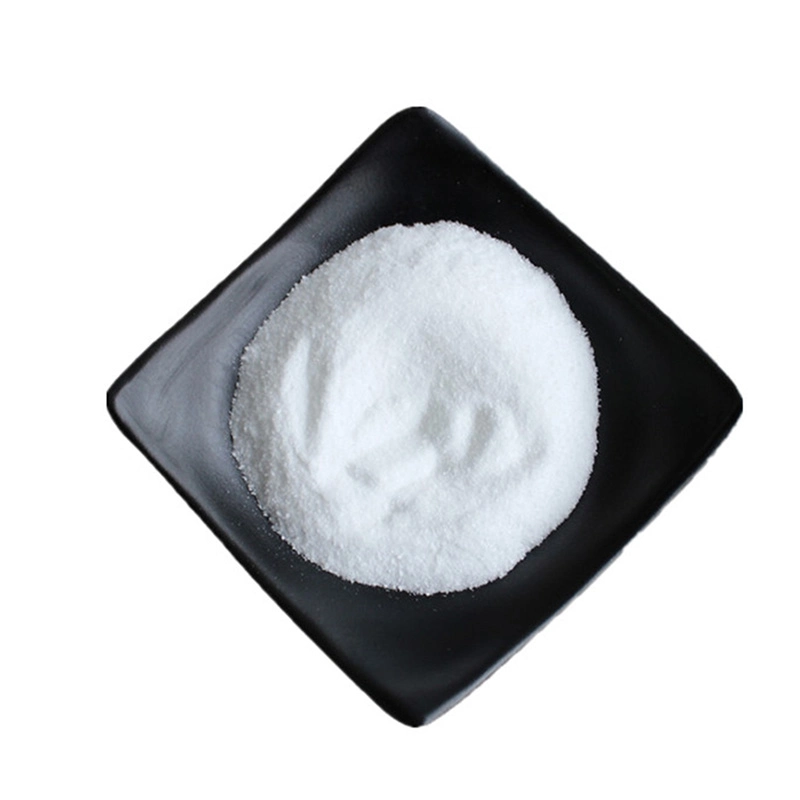
Cesium iodide (CsI, CAS 7789-17-5) is a high-purity inorganic salt of cesium and iodine, supplied as a white to colorless crystalline powder. It is valued in optics, radiation detection and specialty electronics because of its exceptionally wide optical transmission range, high density and ready crystal-growth behavior.
Its structural and physical features translate directly into application value. First, CsI transmits from the near-ultraviolet through the visible into the far-infrared (about 0.25 to 50 µm), which is why pressed CsI discs are the classic beamsplitter and window material for Fourier-transform infrared (FT-IR) spectrometers and far-IR instruments. Second, its high atomic-number matrix (Cs Z=55, I Z=53) and high density (4.51 g/cm³) give strong stopping power for X-rays and gamma rays, making doped CsI crystals the standard scintillator in X-ray image intensifiers, radiation survey meters, CT detectors and particle-physics calorimeters. Third, CsI melts cleanly at about 626 °C and can be grown as large, crack-free single crystals, which is essential for detector arrays.
Commercially it is offered in 99.9%, 99.99% and 99.999% purity grades, tightly controlled in trace metals (K, Na, Rb, Fe, Pb) and moisture. It is highly soluble in water and strongly hygroscopic, so it must be stored in dry, sealed packaging and handled in low-humidity environments.
Product Parameters
| Item | Specification |
|---|---|
| Product Name | Cesium(I) iodide |
| Chemical Formula | CsI |
| CAS No. | 7789-17-5 |
| EC No. | 232-145-2 |
| Molecular Weight | 259.81 |
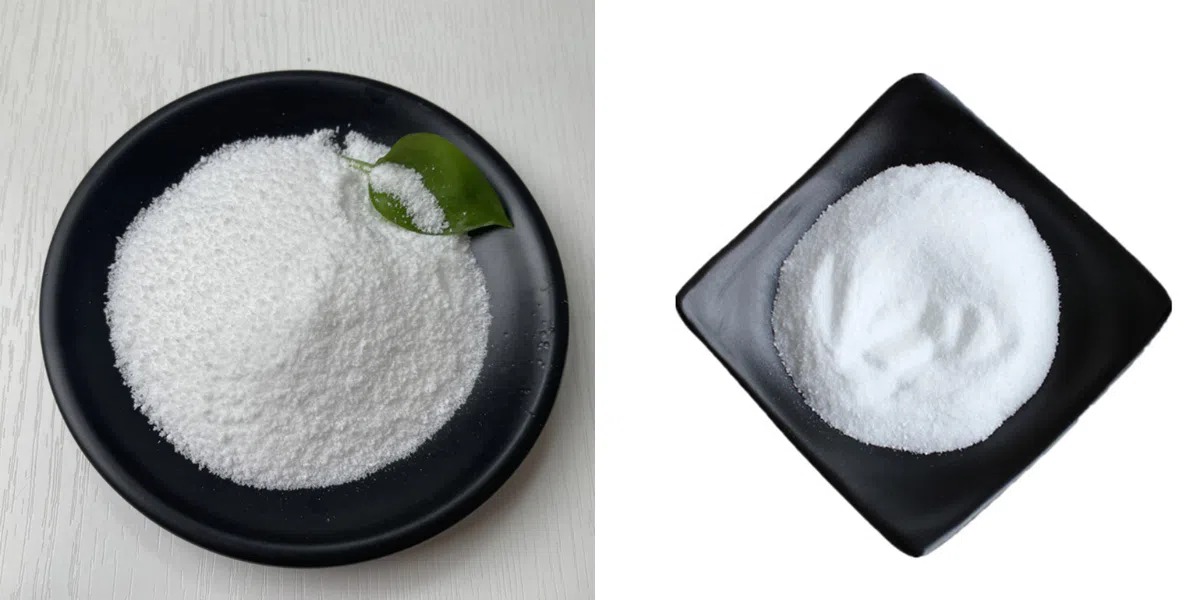
| Appearance | White to colorless crystalline powder |
| Purity (metals basis) | 99.9% / 99.99% / 99.999% |
| Density | 4.51 g/cm³ |
| Melting Point | ~626 °C |
| Boiling Point | ~1280 °C |
| Solubility in Water | ~670 g/L at 20 °C (very soluble, hygroscopic) |
| Optical Transmission Range | ~0.25 – 50 µm (UV–Vis–Far IR) |
| Trace Metals (K, Na, Rb, Fe, Pb) | Tightly controlled per grade |
| Storage | Dry, sealed, low humidity |
| Packaging | 250 g / 1 kg bottle, or fiber drum on request |
Product Application
Cesium iodide is a specialty inorganic salt whose demand is driven mainly by three high-tech sectors: infrared optics, radiation detection, and advanced electronics/photonics.
In infrared optics, CsI powder is pressed into discs and used as beamsplitters, prisms and window materials for FT-IR and far-IR spectrometers. Its transmission edge extends far beyond common alkali halides such as KBr and NaCl, so it is the material of choice for far-IR and vacuum-IR work, and for instruments that must operate at longer wavelengths without frequent replacement.
In radiation detection, CsI crystals doped with thallium (CsI:Tl) or sodium (CsI:Na) are the workhorse scintillators for X-ray image intensifiers in fluoroscopy and radiography, gamma cameras, positron-emission tomography (PET) detectors, CT detector modules, and large electromagnetic calorimeters in particle physics experiments. Their high light yield, ruggedness and low afterglow make them preferred in medical, industrial and nuclear instrumentation.
In electronics and photonic research, high-purity CsI is used as a source of cesium in photocathode preparation, as a raw material for other cesium compounds and optical-grade crystals, as a flux in single-crystal growth, and as a reference material in X-ray fluorescence and spectral calibration. It is also finding use in quantum-optics and cold-atom setups that require ultra-dry, trace-metal-grade cesium feedstock.