Product Description
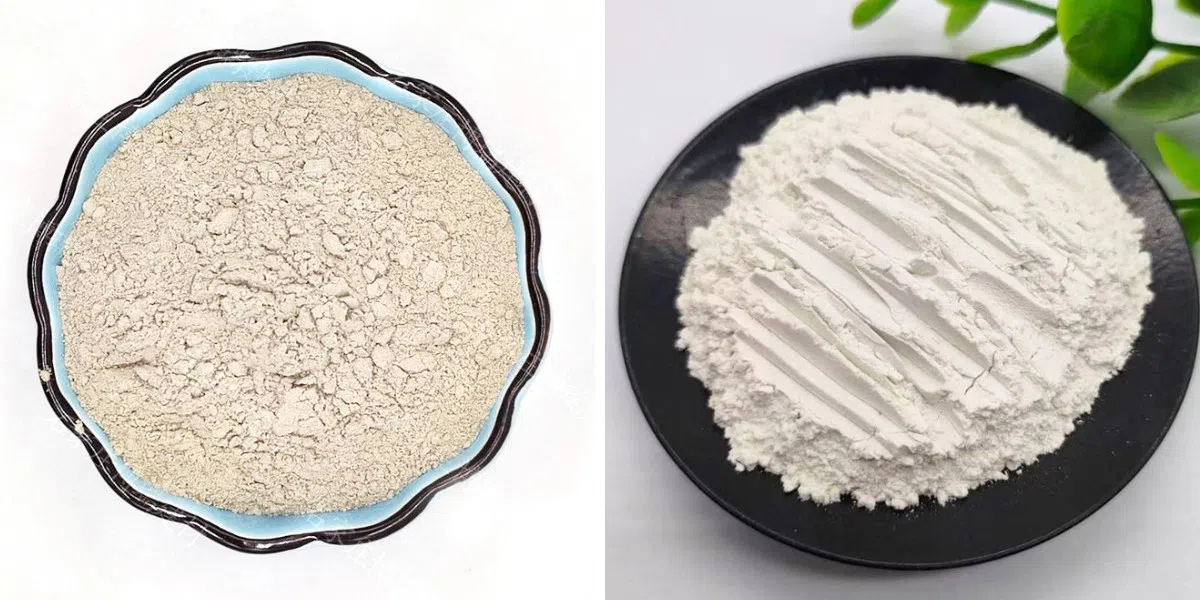
K-Catalyst (CAS 1318-93-0), commercially known as Montmorillonite K-10, is an acid-activated montmorillonite clay supplied as a yellow-grey to grey free-flowing powder. It is a widely used solid Lewis acid catalyst and catalyst support in organic synthesis, petrochemical refining and fine-chemical manufacturing, valued as a safer, recyclable and easy-to-handle alternative to homogeneous acids such as AlCl₃, H₂SO₄ and HF.
Its performance comes from the layered clay structure. First, acid activation leaches part of the octahedral Al and Mg, generating a high density of Brønsted and Lewis acid sites on the silica-aluminate layers and opening a large specific surface area. Second, the layered host adsorbs reactants between the sheets, concentrates them near the acid sites, and promotes proton- and Lewis-acid-driven transformations such as alkylation, acylation, esterification, isomerization and rearrangement. Third, because the active phase is anchored on an insoluble solid, the catalyst can be filtered off after reaction, washed, regenerated by mild calcination, and reused over multiple runs, which cuts waste-acid disposal and simplifies work-up.
K-Catalyst is non-corrosive compared with liquid acids, low in dust when pelletized, thermally stable up to about 400–500 °C, and compatible with most organic solvents. It is offered in standard K-10 grade and in K-5, K-20, K-30 variants with adjusted activity and surface area to match specific reactions.
Product Parameters
| Item | Specification |
|---|---|
| Product Name | K-Catalyst (Montmorillonite K-10) |
| CAS No. | 1318-93-0 |
| EINECS No. | 215-288-5 |
| Chemical Type | Acid-activated montmorillonite clay |
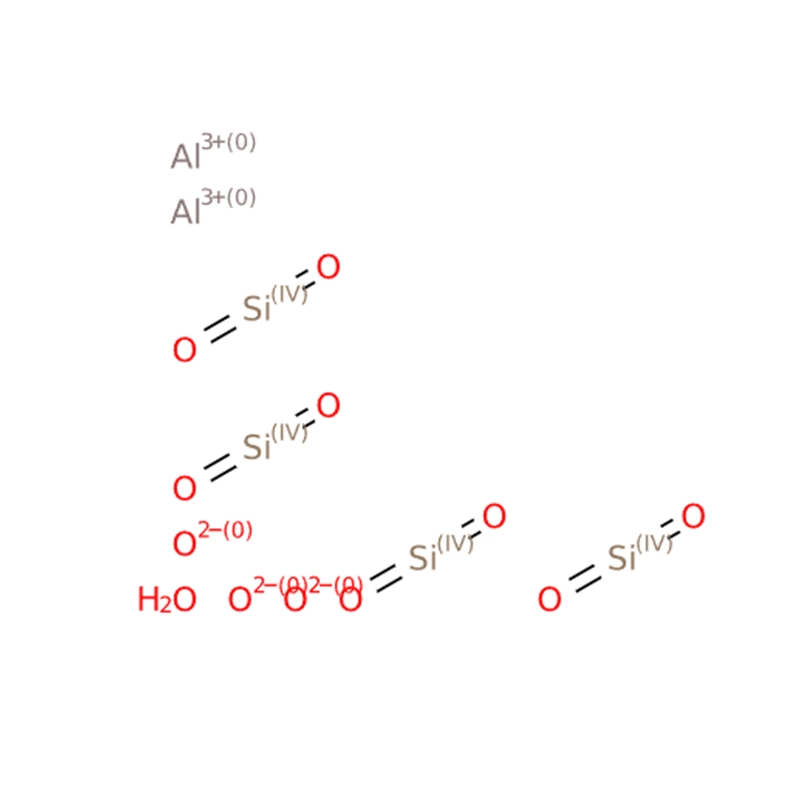
| Approx. Formula | Al₂O₉Si₃ (acid-activated aluminosilicate) |
| Appearance | Yellow-grey to grey powder |
| Acidity | Solid Brønsted / Lewis acid |
| pH (10% aqueous slurry) | 2.0 – 3.5 |
| Specific Surface Area | ~200 – 250 m²/g (typical K-10) |
| Loss on Drying | ≤ 10% |
| Ignition Loss | ≤ 15% |
| Mesh Size | 200 – 400 mesh (standard) |
| Temperature Stability | up to 400 – 500 °C |
| Available Grades | K-5, K-10, K-20, K-30 |
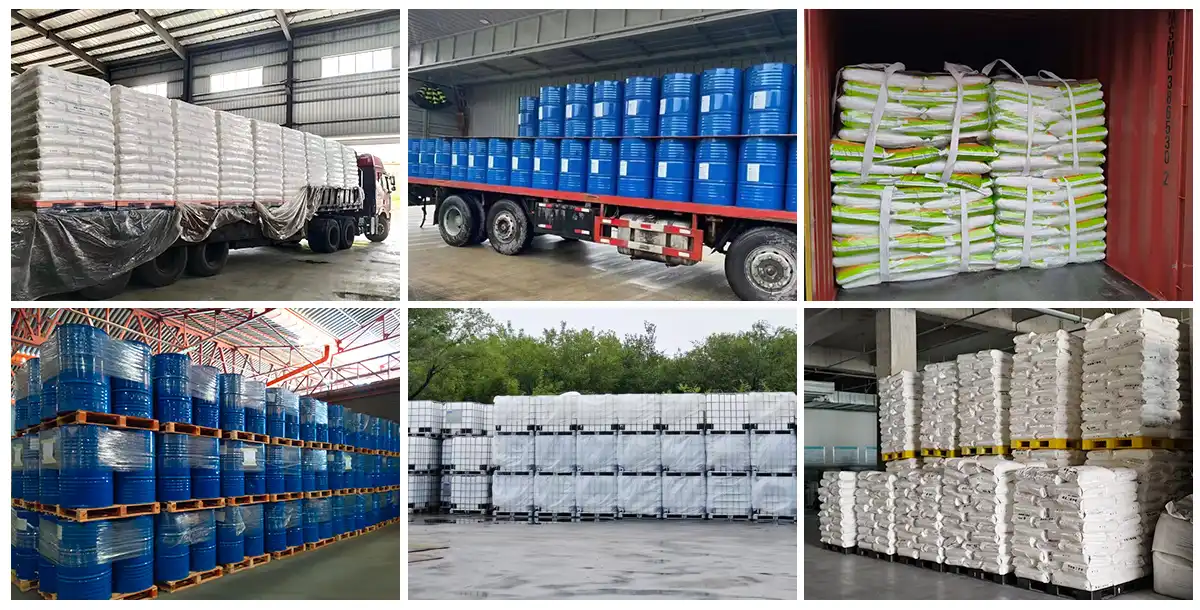
| Packaging | 25 kg bag, or 500 / 1000 kg big bag |
Product Application
K-Catalyst (Montmorillonite K-10) is a versatile solid acid whose demand spans organic synthesis, pharmaceutical intermediate production, petrochemical refining and adsorbent applications.
In organic synthesis, it is the workhorse solid acid for Friedel-Crafts alkylation and acylation, esterification and transesterification, acetalization, etherification, isomerization of olefins and paraffins, and acid-catalyzed rearrangements such as Fries and Claisen. It is especially preferred when chemists want to avoid stoichiometric AlCl₃ or strong mineral acids, because it delivers similar activation with far simpler aqueous work-up and less equipment corrosion.
In pharmaceutical and fine-chemical intermediate manufacturing, K-Catalyst is used for deprotection steps, condensation reactions (Knoevenagel, aldol), cyclizations, and as an acid catalyst in multistep API and agrochemical intermediate routes. Its low metal leaching makes it easier to meet residual-catalyst specifications in downstream isolation.
In petrochemical and industrial refining, acid-activated montmorillonite is used as a catalyst support for reforming, alkylation and isomerization catalysts, as a bleaching and decolorizing earth for oils and mineral fractions, and as an adsorbent for trace polar impurities. It is also used in biodiesel production for esterification of high-FFA feedstocks, and as a nanofiller/nanoclay in polymer composites to improve mechanical and barrier properties.