
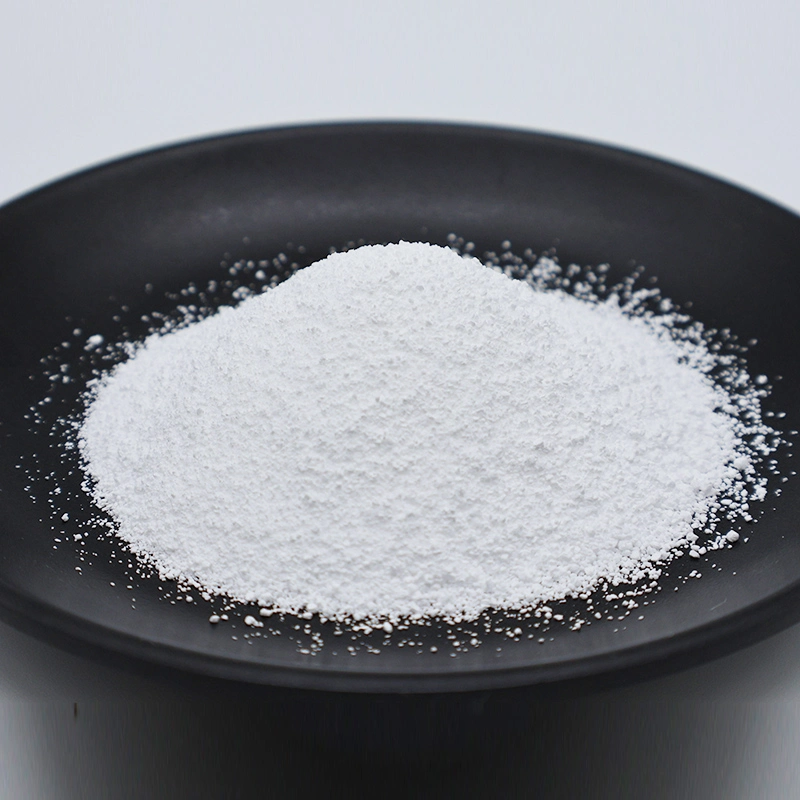
Sodium pyrophosphate, alternatively named tetrasodium pyrophosphate (TSPP), is widely applied in laboratory settings as a buffering reagent. It performs well for formulating EDTA‑sodium pyrophosphate extraction buffers, which are utilized to detect microcystins within soil samples. This chemical occurs as an odor‑free white powder or granular solid.
Its broad application portfolio covers water softening, pH buffering, thickening, and dispersion. It also functions as a wool degreaser, metal surface cleaner, builder component for soap and synthetic detergents, as well as a general‑purpose sequestering agent for metal electrodeposition. Beyond that, it acts as an anti‑tartar ingredient in toothpaste and dental floss, and works as a chelator for antimicrobial‑related research. In the food sector, it is approved as a food additive for processed foods including chicken nuggets, crab meat and canned tuna.
Tetrasodium pyrophosphate Chemical Properties
| Melting point | 80 °C |
| Boiling point | 93.8 °C |
| density | 2.53 g/mL at 25 °C(lit.) |
| vapor pressure | 0Pa at 20℃ |
| storage temp. | Inert atmosphere,Room Temperature |
| solubility | H2O: 0.1 M at 20 °C, clear, colorless |
| form | Granular |
| color | White |
| Specific Gravity | 2.534 |
| Odor | Odorless |
| PH Range | 10.3 |
| Water Solubility | Soluble in water. Insoluble in ethyl alcohol. |
| Sensitive | Hygroscopic |
| Merck | 14,9240 |
| Exposure limits | NIOSH: TWA 5 mg/m3 |
| Stability: | Stable. Incompatible with strong oxidizing agents. |
| InChIKey | FQENQNTWSFEDLI-UHFFFAOYSA-J |
| LogP | -3.42 |
CAS DataBase Reference | 7722-88-5(CAS DataBase Reference) |
EPA Substance Registry System | Tetrasodium pyrophosphate (7722-88-5) |
Safety Information
| Hazard Codes | Xi,Xn |
| Risk Statements | 36/37/38-41-22 |
| Safety Statements | 26-36-39 |
| OEB | B |
| OEL | TWA: 5 mg/m3 |
| WGK Germany | 3 |
| RTECS | UX7350000 |
| TSCA | Yes |
| HS Code | 28353990 |
Hazardous Substances Data | 7722-88-5(Hazardous Substances Data) |


