Product Description
White crystalline powder, low odor and taste.
High bismuth content with controlled trace impurities.
Well-tolerated bismuth source for GI active ingredients.
Good solubility in alkaline/citrate media, easy to formulate.
High-purity grade meeting pharmacopeial requirements.
Suitable for building bismuth-complex APIs.
Product Parameters
| Item | Specification |
|---|---|
| Product Name | Bismuth Citrate |
| CAS No. | 813-93-4 |
| EINECS No. | 212-390-3 |
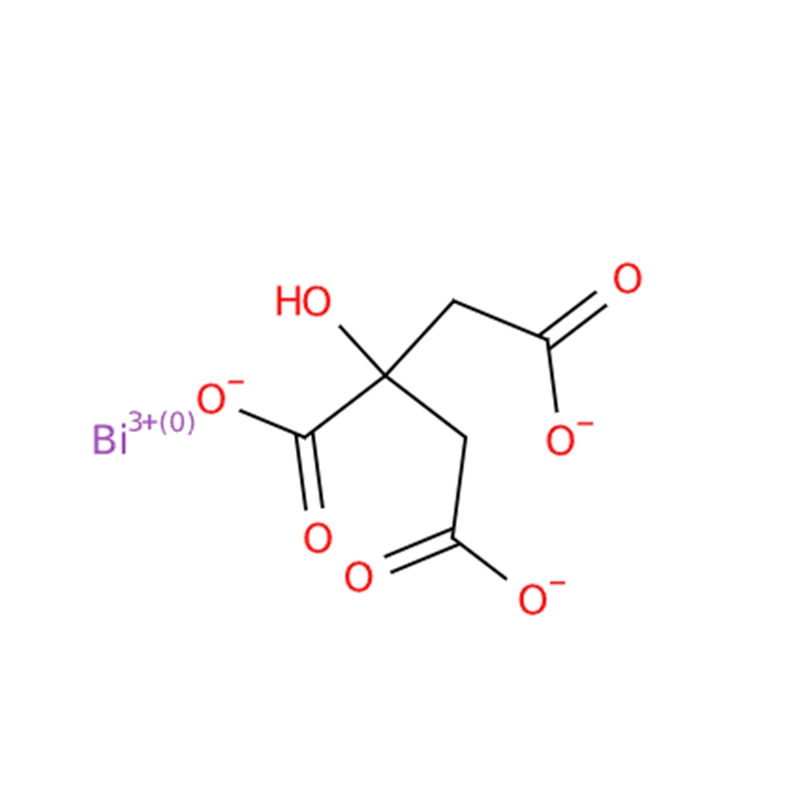
| Molecular Formula | C₆H₅BiO₇ |
| Molecular Weight | 398.18 |
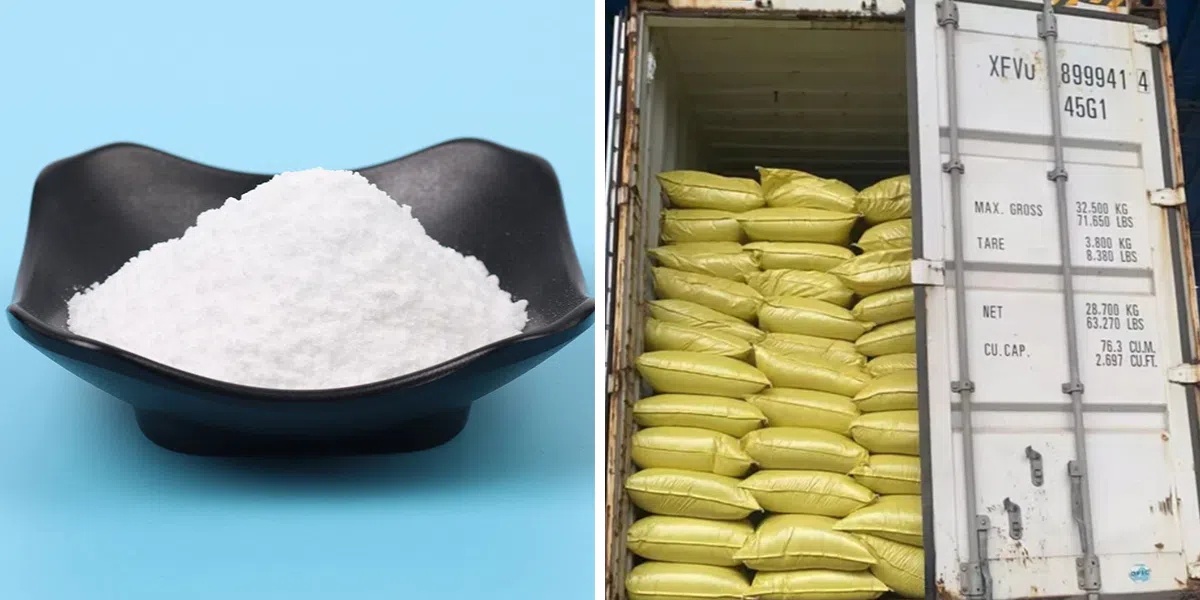
| Appearance | White crystalline powder |
| Bismuth Content | ~ 50 – 53% |
| Purity | ≥ 99.0% |
| Loss on Drying | ≤ 1.0% |
| Solubility | Soluble in alkali citrate solutions; practically insoluble in water |
| Heavy Metals (Pb, As) | ≤ 10 ppm |
| Compliance | USP / EP / CP grade |
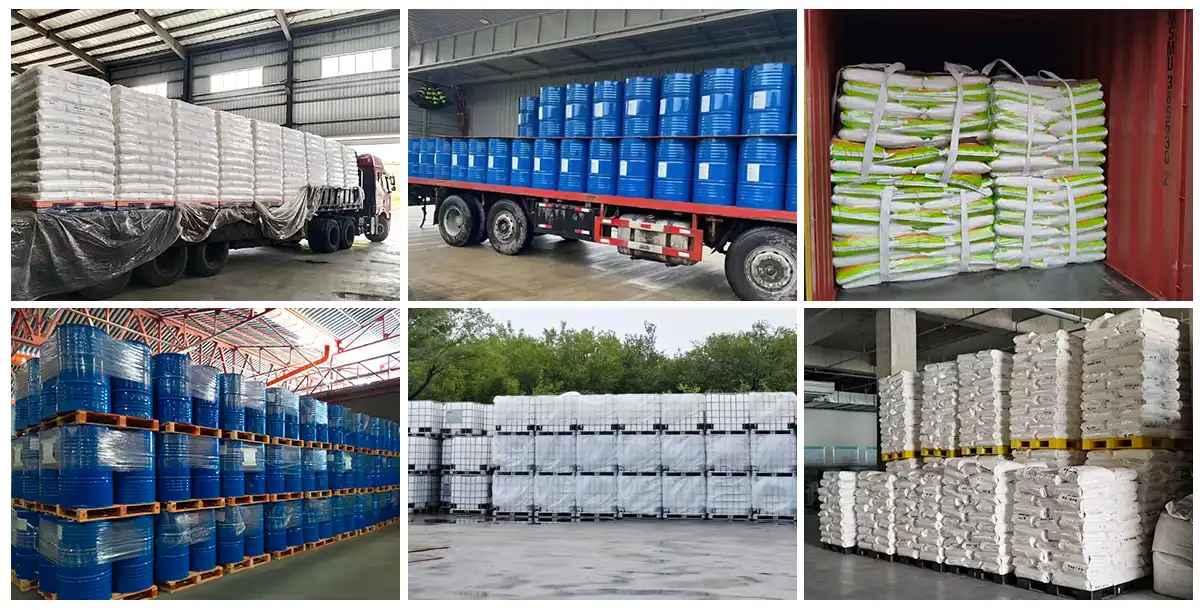
| Packaging | 25 kg fiber drum / double PE bag |
Product Application
Bismuth citrate is a specialized bismuth intermediate mainly used in gastrointestinal anti-ulcer and anti-H. pylori pharmaceuticals.
In gastrointestinal drugs, it is the starting material for ranitidine bismuth citrate, a dual-action anti-ulcer agent that combines ranitidine's H2-blocking effect with bismuth's mucosal protection and anti-H. pylori activity. It is also used to prepare colloidal bismuth subcitrate (CBS, De-Nol-type) formulations.
In H. pylori eradication therapy, bismuth-based quadruple regimens use bismuth citrate-derived APIs to suppress Helicobacter pylori in the gastric mucosa and raise eradication rates when combined with antibiotics and proton pump inhibitors.
In other fields, it is used as a precursor for bismuth oxide, bismuth subgallate and other bismuth compounds, as a component in certain cosmetic and antiseptic preparations, and in specialty electronics and catalysts.