3-DIMETHYLAMINO PROPYLAMINE CAS#113-59-7 Product Description
3-Dimethylaminopropylamine (DMAPA), with the molecular formula C₅H₁₆N₂, is a versatile chemical intermediate widely employed in organic synthesis and various industrial sectors. It plays an essential role in the production of dyes, ion-exchange resins, and epoxy curing agents, while also finding applications as an additive in oilfield operations and cyanide-free electroplating processes. Furthermore, DMAPA is utilized in textile and leather treatment, as well as in the formulation of bactericidal products.
With years of experience in chemical manufacturing and a strong commitment to research and development, we continuously refine our production processes to ensure high product purity and consistent quality. Our DMAPA has been successfully utilized in a variety of industrial applications, particularly in advanced textile dyeing and processing.
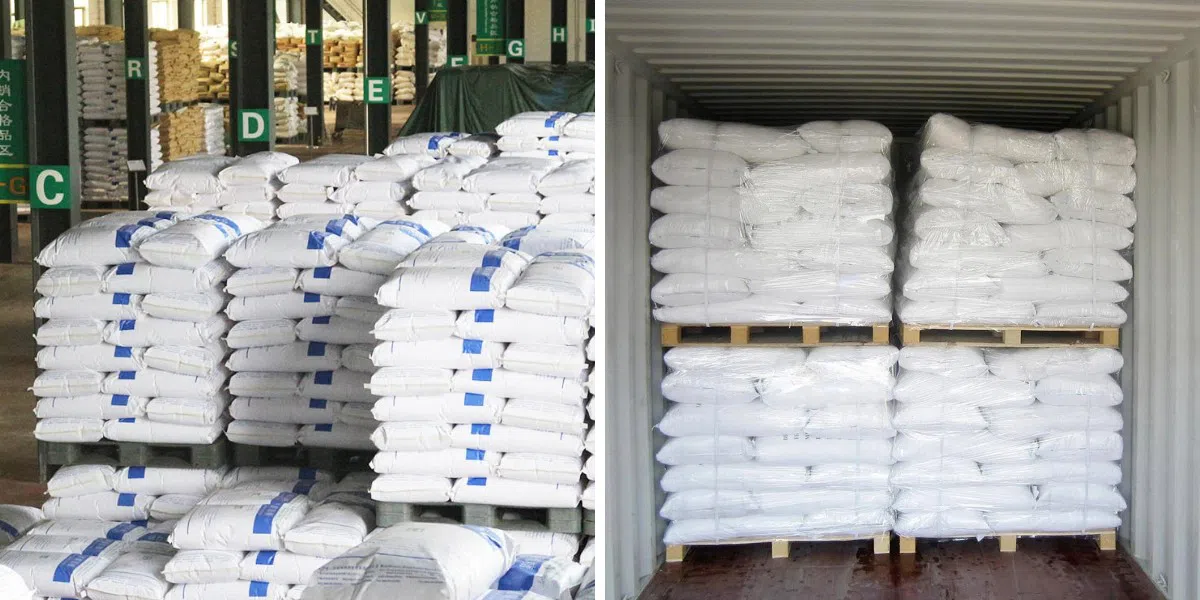
Our modern production facilities and flexible manufacturing capabilities enable us to accommodate diverse purchasing requirements, from small-volume orders to large-scale bulk supplies. Key physical properties of DMAPA include a boiling point of 133°C, a flash point of 15°C, and a density of 0.8100.
Quality assurance, operational safety, and environmental protection remain central to our manufacturing philosophy. We follow rigorous standards throughout production, storage, and handling to maintain product quality, ensure supply reliability, and support the safe and effective use of DMAPA across different industrial applications.
3-DIMETHYLAMINO PROPYLAMINE CAS#113-59-7 Chemical Properties
| Melting point | -60 °C |
| Boiling point | 133 °C(lit.) |
| density | 0.812 g/mL at 25 °C(lit.) |
| vapor density | 3.6 (vs air) |
| vapor pressure | 5 mm Hg ( 20 °C) |
| refractive index | n20/D 1.435(lit.) |
| Fp | 90 °F |
| storage temp. | Store below +30°C. |
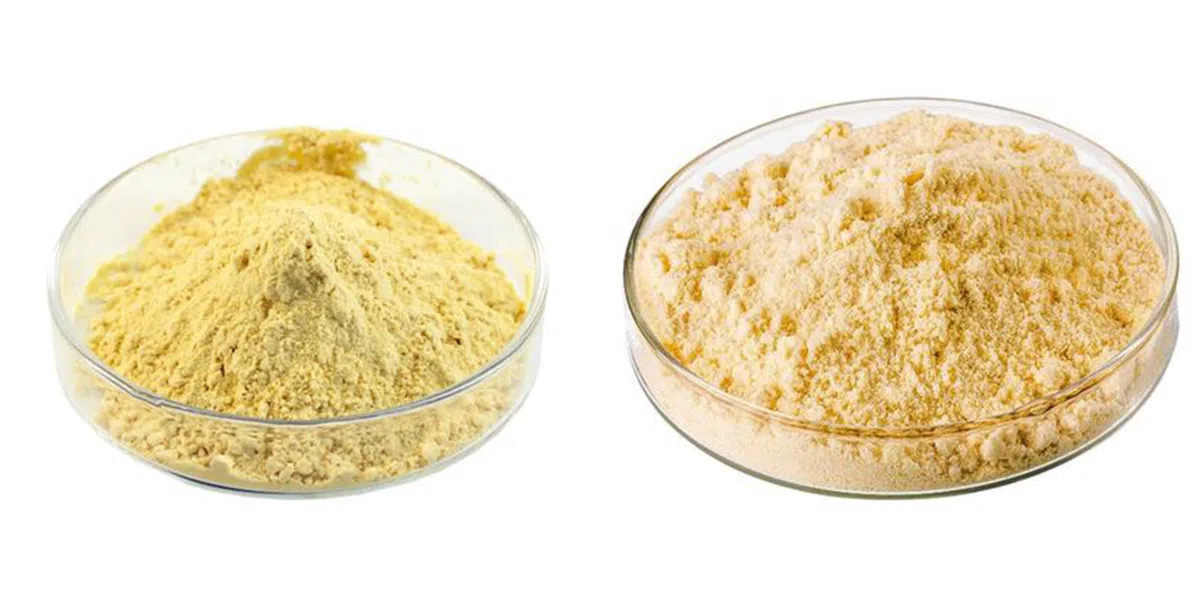
| form | Liquid |
| pka | 10.13±0.10(Predicted) |
| color | Clear |
| PH | 12.7 (100g/l, H2O, 20℃) |
| Odor | ammoniacal odor |
| explosive limit | 2.3-12.35%(V) |
| Water Solubility | SOLUBLE |
| FreezingPoint | -70℃ |
| Sensitive | Air Sensitive |
| BRN | 605293 |
| InChIKey | IUNMPGNGSSIWFP-UHFFFAOYSA-N |
| LogP | -0.352 at 25℃ |
| CAS DataBase Reference | 109-55-7(CAS DataBase Reference) |
| NIST Chemistry Reference | 1,3-Propanediamine, N,N-dimethyl-(109-55-7) |
| EPA Substance Registry System | 3-(Dimethylamino)propylamine (109-55-7) |
3-DIMETHYLAMINO PROPYLAMINE CAS#113-59-7 Safety Information
| Hazard Codes | C |
| Risk Statements | 10-22-34-43-21/22 |
| Safety Statements | 26-36/37/39-45 |
| RIDADR | UN 2733 3/PG 3 |
| WGK Germany | 2 |
| RTECS | TX7525000 |
| Autoignition Temperature | 215 °C |
| TSCA | Yes |
| HazardClass | 8 |
| PackingGroup | II |
| HS Code | 29212900 |
| Hazardous Substances Data | 109-55-7(Hazardous Substances Data) |
| Toxicity | LD50 orally in Rabbit: 1640 mg/kg |
3-DIMETHYLAMINO PROPYLAMINE CAS#113-59-7 Product Application
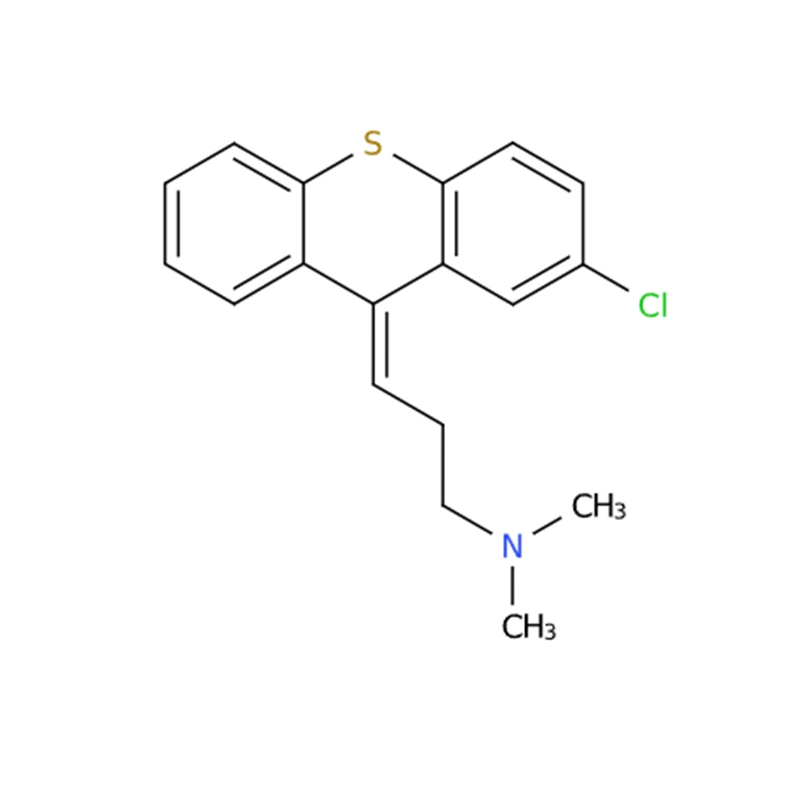
This compound belongs to the thioxanthene class of antipsychotic agents. Compared with chlorpromazine, it exhibits relatively lower antipsychotic potency while producing a stronger sedative effect. It also possesses additional antidepressant and anxiolytic properties.
It is mainly indicated for the treatment of schizophrenia associated with depressive or anxiety symptoms. Other therapeutic applications include menopausal depression and anxiety-related neurotic disorders.