n-Butyl Vinyl Ether CAS#111-34-2 Products Description
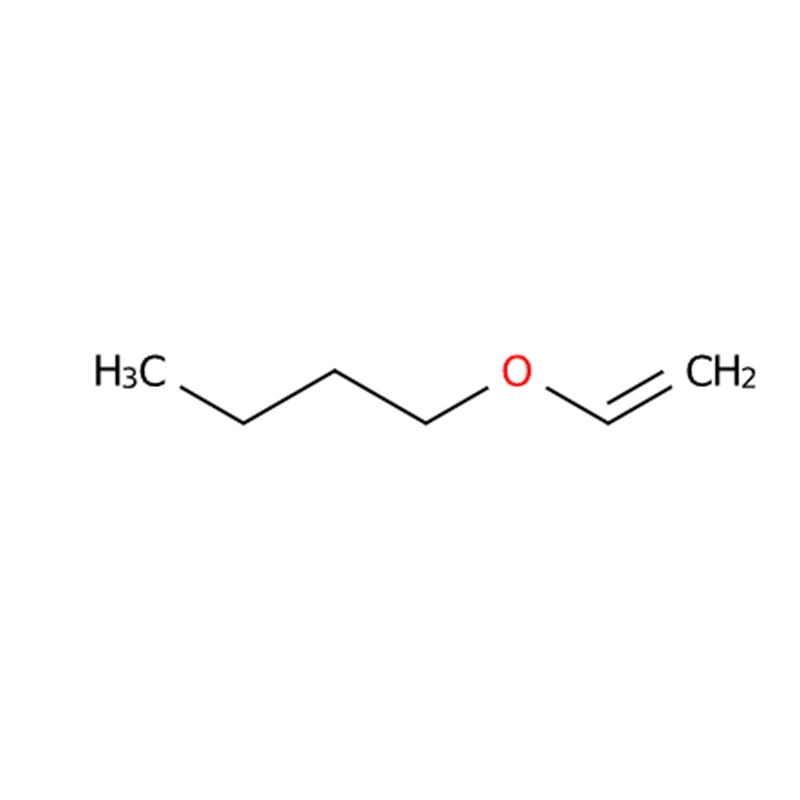
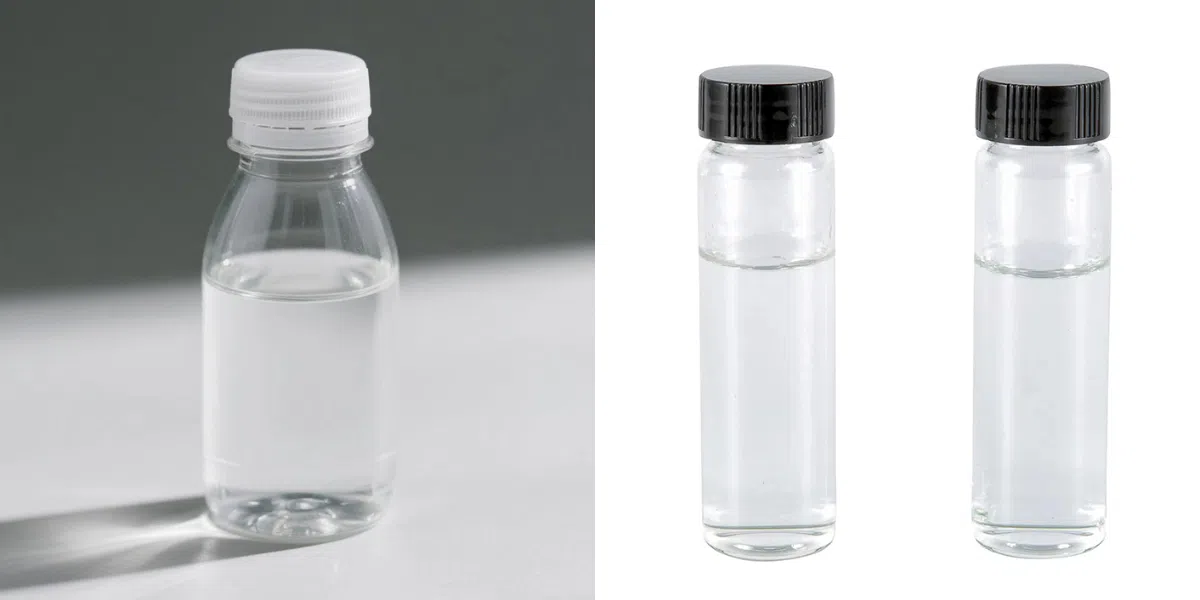
n-Butyl Vinyl Ether is an aliphatic ether compound characterized by the presence of a reactive vinyl double bond. At room temperature (approximately 25°C), it typically appears as a clear, colorless liquid with a distinctive, slightly pungent ether-like odor. The perceived odor intensity may vary depending on the concentration and exposure conditions.
n-Butyl Vinyl Ether CAS#111-34-2 Chemical Properties
| Melting point | −92 °C(lit.) |
| Boiling point | 94 °C(lit.) |
| density | 0.774 g/mL at 25 °C(lit.) |
| vapor density | 3.5 (vs air) |
| vapor pressure | 42 mm Hg ( 20 °C) |
| refractive index | n20/D 1.400(lit.) |
| Fp | 15 °F |
| storage temp. | 2-8°C |
| solubility | 3g/l |
| form | Liquid |
| color | Clear |
| explosive limit | 1.2-8.6%(V) |
| Water Solubility | 3 g/L (20 ºC) |
| BRN | 1560217 |
| InChIKey | UZKWTJUDCOPSNM-UHFFFAOYSA-N |
| LogP | 3.15 at 20℃ |
| CAS DataBase Reference | 111-34-2(CAS DataBase Reference) |
| NIST Chemistry Reference | Butane, 1-(ethenyloxy)-(111-34-2) |
| EPA Substance Registry System | Butyl vinyl ether (111-34-2) |
n-Butyl Vinyl Ether CAS#111-34-2 Safety Information
| Hazard Codes | F |
| Risk Statements | 11-19-2017/11/19 |
| Safety Statements | 9-14-16-33 |
| RIDADR | UN 2352 3/PG 2 |
| WGK Germany | 2 |
| RTECS | KN5950000 |
| Autoignition Temperature | 437 °F |
| TSCA | Yes |
| HS Code | 2909 19 90 |
| HazardClass | 3 |
| PackingGroup | II |
| Hazardous Substances Data | 111-34-2(Hazardous Substances Data) |
| Toxicity | LD50 orally in Rabbit: 10000 mg/kg LD50 dermal Rabbit 3300 mg/kg |
n-Butyl Vinyl Ether CAS#111-34-2 Product Application
1. UV-Curable Coatings & Inks
Used as a reactive diluent to reduce formulation viscosity and support efficient curing. It can help improve coating flexibility and adhesion in wood finishes, plastic coatings, screen-printing inks, and electronic conformal coatings. Formulation-dependent benefits may also include reduced shrinkage and lower odor.
2. Specialty Adhesives & Sealants
Serves as a monomer or building block for polyvinyl ether-based materials, potentially enhancing tack, low-temperature flexibility, and water resistance. Applications include adhesive tapes, flexible sealants, and selected 3D-printing binder systems.
3. Protective & Anti-Corrosion Coatings
Can be incorporated into suitable copolymer systems to develop coatings with enhanced chemical resistance. Depending on the polymer composition and formulation, these materials may be used for steel structures, marine equipment, bridges, and other demanding environments.
4. Organic Synthesis & Fine Chemicals
Functions as a reactive building block in organic synthesis and specialty chemical manufacturing. Vinyl ethers can also participate in protecting-group chemistry for hydroxyl groups and related synthetic transformations. Specific applications in pharmaceutical and agrochemical intermediates depend on the reaction pathway and target compound.
5. Lubricant Additives, Elastomers & Polymer Modification
May be used as a comonomer or formulation component in selected specialty polymer systems, supporting the development of materials with tailored flexibility and hydrophobicity. Potential applications include lubricant-related chemicals, flexible elastomeric materials, and polymer films.