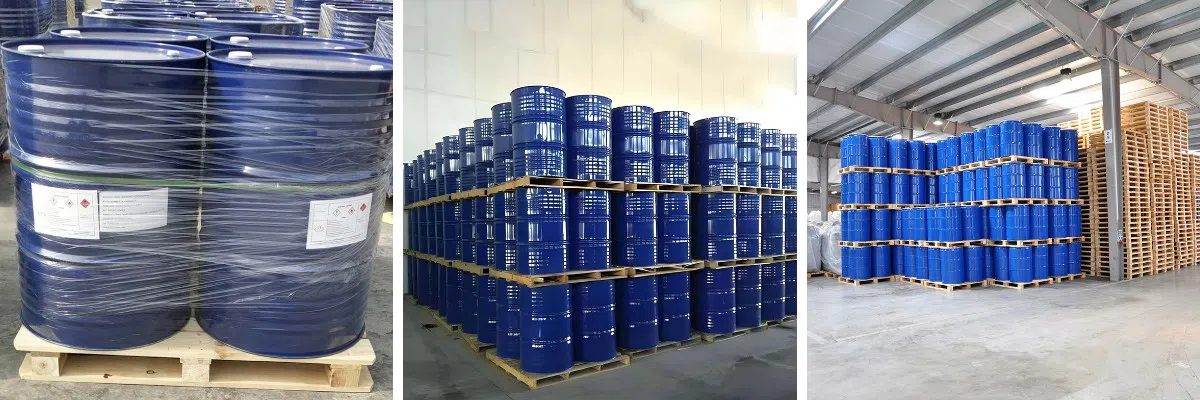
Octanoic Acid CAS#124-07-2 Product Description
Octanoic acid, commonly known as caprylic acid or n-caprylic acid, is a medium-chain fatty acid (MCFA) characterized by a straight-chain molecular structure containing eight carbon atoms. It occurs naturally in certain plant oils and animal fats and is recognized for its distinctive physicochemical properties and diverse industrial and commercial applications.
Caprylic acid is an important fatty acid involved in various metabolic and physiological processes in the human body. As a medium-chain fatty acid, it can be readily metabolized and utilized as an energy source. It is commonly studied for its nutritional and biological properties and is used in food, nutritional, pharmaceutical, and personal care applications. Maintaining an appropriate dietary intake of fatty acids contributes to normal nutritional balance and overall metabolic function.
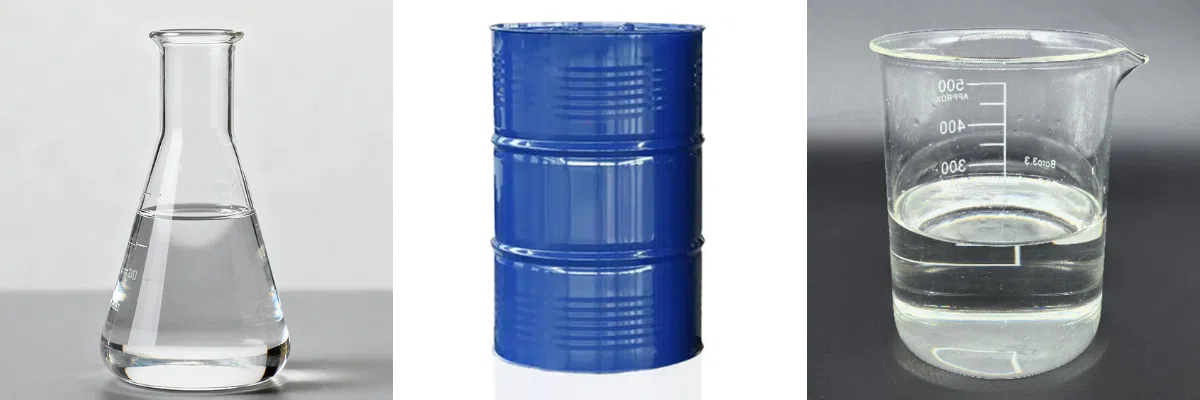
Octanoic Acid CAS#124-07-2 Chemical Properties
| Melting point | 16 °C |
| Boiling point | 237 °C(lit.) |
| Density | 0.91 g/mL at 25 °C(lit.) |
| Vapor density | 5 (vs air) |
| Vapor pressure | 1 mm Hg ( 78 °C) |
| Refractive index | n20/D 1.428(lit.) |
| FEMA | 2799 | OCTANOIC ACID |
| Fp | >230 °F |
| Storage temp | 20-25°C |
| Solubility | 0.68g/l |
| Pka | 4.89(at 25℃) |
| Form | Liquid |
| Specific Gravity | 0.910 (20/4℃) |
| Color | Clear colorless to yellow |
| PH | 3.97(1 mM solution);3.45(10 mM solution);2.95(100 mM solution); |
| Odor | unpleasant odor |
| PH Range | 3.5 |
| Odor Type | fatty |
| Explosive limit | 1%(V) |
| Water Solubility | 0.68 g/L (20 ºC) |
| Merck | 141765 |
| JECFA Number | 99 |
| BRN | 1747180 |
| Dielectric constant | 3.2 |
| Dielectric constant | 3.2(18℃) |
| Stability | Stable. Incompatible with bases, reducing agents, oxidizing agents. Flammable. |
| LogP | 3.05 at 20℃ |
| CAS DataBase Reference | 124-07-2(CAS DataBase Reference) |
| NIST Chemistry Reference | Octanoic acid(124-07-2) |
| EPA Substance Registry System | Octanoic acid (124-07-2) |
Octanoic Acid CAS#124-07-2 Safety Information
| Hazard Codes | C,Xi |
| Risk Statements | 34 |
| Safety Statements | 26-36/39-45-36/37/39-25-27 |
| RIDADR | UN 3265 8/PG 3 |
| WGK Germany | 1 |
| RTECS | RH0175000 |
| Autoignition Temperature | >300 °C |
| Hazard Note | Irritant |
| TSCA | Yes |
| HS Code | 2915 90 70 |
| HazardClass | 8 |
| PackingGroup | III |
| Hazardous Substances Data | 124-07-2(Hazardous Substances Data) |
| Toxicity | LD50 orally in rats: 10,080 mg/kg (Jenner) |
Octanoic Acid CAS#124-07-2 Product Application
Octanoic acid (n-caprylic acid) has applications in specialized industrial and agricultural formulations, where it can serve as a functional component in combination with other chemical ingredients to improve overall formulation performance.
In agricultural applications, n-octanoic acid can be incorporated into wheat mite control formulations as part of a synergistic component system with trimethylolpropane ester. The combined ingredients are used in the development of pesticide formulations intended for wheat mite prevention and control. The total addition level of the combined components is typically specified at 7–9 parts, with a trimethylolpropane ester-to-n-octanoic acid weight ratio of 6–8:1.
In industrial corrosion protection applications, n-octanoic acid can also be combined with boric acid to formulate rust-preventive and anti-corrosion liquids. This combination is intended to enhance the protective properties of the formulation and improve its effectiveness in reducing metal corrosion and rust formation. The total dosage of the combined components is generally 7–9 parts, with a recommended boric acid-to-n-octanoic acid weight ratio of 6–8:1. These formulations can be further developed for use in industrial metal protection and surface treatment applications.