
Product Overview
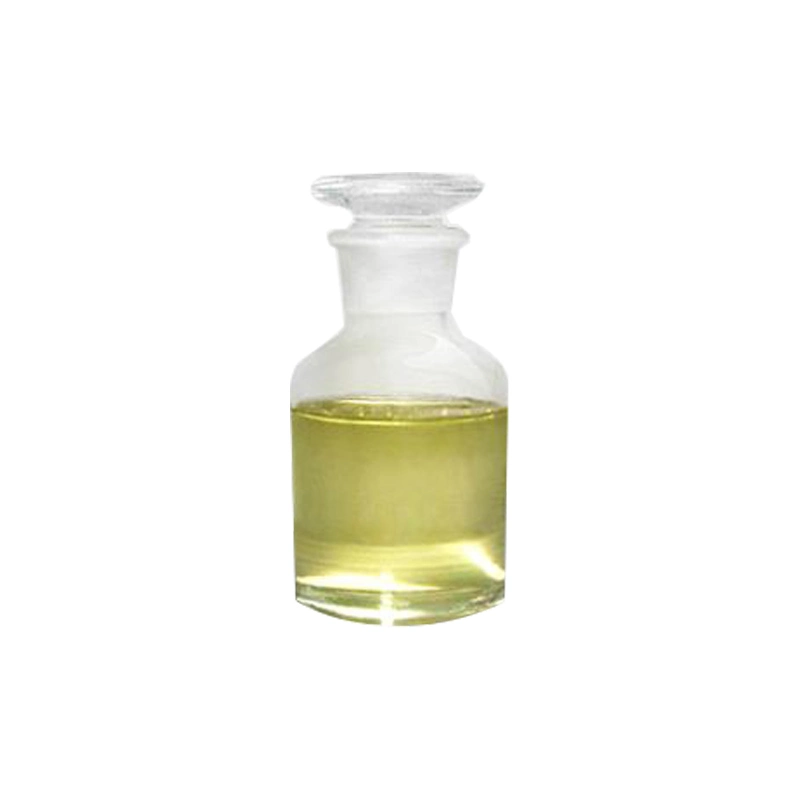
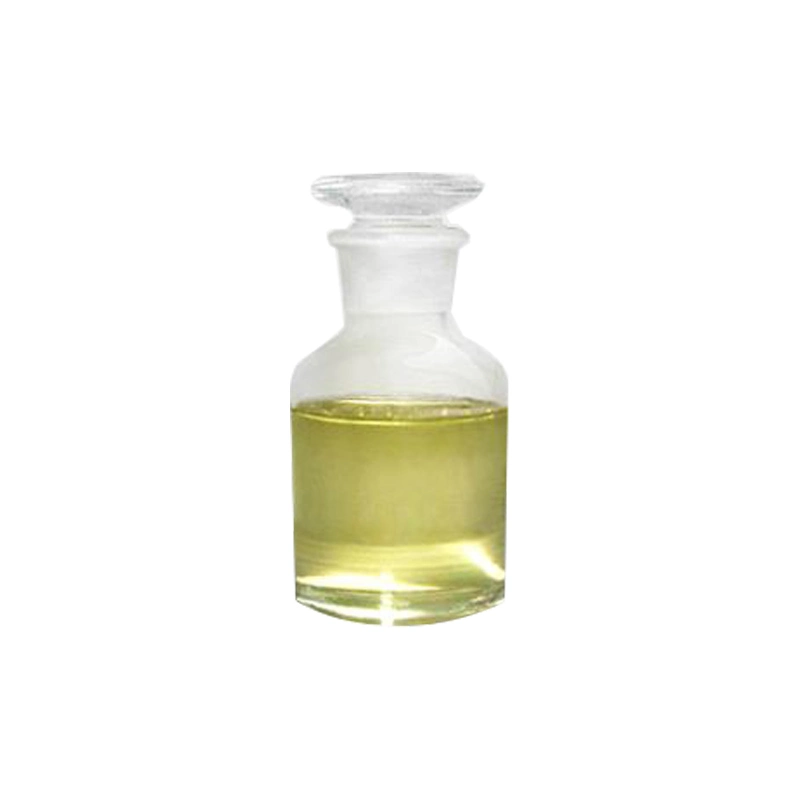
Tetrasodium Etidronate (CAS 3794-83-0), also known as Tetrasodium HEDP or HEDP-Na₄, is an organophosphonate compound derived from etidronic acid. Its molecular formula is C₂H₄Na₄O₇P₂, and its molecular weight is 293.96 g/mol. It is commonly supplied as a white to off-white solid or crystalline powder and is highly soluble in water.
The molecular structure contains two phosphonate groups and a hydroxyl group, providing strong metal-ion complexing properties. These characteristics make Tetrasodium Etidronate useful in formulations where metal-ion control, scale inhibition, and water stability are important.
bis-phosphonic acid tetrasodium salt Chemical Properties
density | 2.074[at 20℃] |
vapor pressure | 0Pa at 25℃ |
solubility | Aqueous Acid (Slightly), Water (Sparingly) |
pka | 2.18[at 20 ℃] |
form | Solid |
color | White to Off-White |
Water Solubility | 774g/L at 20℃ |
Stability: | Hygroscopic |
LogP | -3 at 23℃ |
CAS DataBase Reference | 3794-83-0(CAS DataBase Reference) |
EPA Substance Registry System | Phosphonic acid, (1-hydroxyethylidene)bis-, tetrasodium salt (3794-83-0) |
Safety Information
Hazard Codes | Xi,Xn |
Risk Statements | 36/38-36-22 |
Safety Statements | 26-36/37/39-36 |
RTECS | JL6475000 |
Toxicity | rat,LD50,oral,990mg/kg (990mg/kg),KIDNEY, URETER, AND BLADDER: CHANGES IN BOTH TUBULES AND GLOMERULI,Toxicology and Applied Pharmacology. Vol. 22, Pg. 661, 1972. |
Main Applications
Industrial Water Treatment: Used in cooling water and industrial water treatment formulations.
Scale Inhibition: Helps control mineral scale formation in water systems.
Metal Ion Chelation: Binds metal ions in aqueous formulations.
Detergent Manufacturing: Used as a functional component in selected cleaning formulations.
Industrial Cleaning: Supports metal-ion control in specialty cleaning products.
Specialty Chemical Formulations: Applied in selected industrial and chemical processing systems.


